
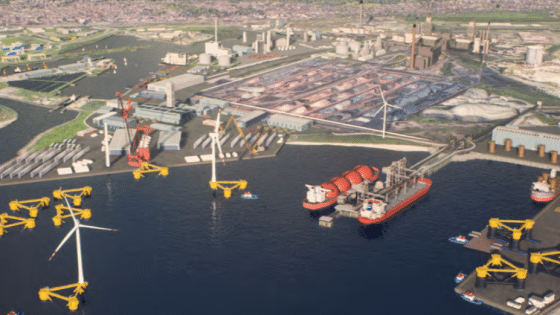

Labour’s ambitious £1.8bn investment plan for UK ports promises a transformative era for the sector, aiming to reverse longstanding industrial decline.
- The proposed investment targets revitalising port infrastructure, potentially catalysing billions in private investment across coastal industries.
- Part of the Green Prosperity Plan, the investment will be funded through a windfall tax on oil and gas companies’ record profits.
- The National Wealth Fund will oversee the investment, aiming to enhance regional growth and job creation in green industries.
- Industry experts highlight the urgency, warning that insufficient investment could see the UK lag in the global offshore wind race.
Labour’s announcement of a £1.8bn investment in UK port infrastructure marks a significant move to rejuvenate the sector marred by years of underinvestment. This effort is expressly aimed at reversing what Labour claims to be 14 years of industrial decline under the Conservative government, while simultaneously boosting domestic manufacturing nationwide. The initiative is a central pillar of Labour’s Green Prosperity Plan, aiming to stimulate private sector investment and foster economic growth regional by regional.
The investment is expected to be funded by a windfall tax levied on oil and gas firms capitalising on record profits. Through this financial strategy, Labour intends to generate substantial private sector investment into ports, harbours, and the energy sector across the country’s coastal areas. The creation of the National Wealth Fund stands as a cornerstone of this strategy, designed to directly invest in green industries, thereby supporting job creation and facilitating economic expansion.
Industry insiders have been vocal about their concerns regarding the current administration’s investment levels in infrastructure, particularly as it pertains to renewable energy goals. Labour’s proposition to fortify port infrastructure addresses these concerns by potentially unlocking the necessary capacity to meet ambitious renewable energy targets, focusing particularly on offshore wind. This is a critical factor as the UK is warned about potentially falling behind in the burgeoning global floating offshore wind market.
In addition to port investments, Labour is also committed to forming Great British Energy, a public sector entity poised to make substantial investments in clean energy technologies across the country. These technologies include floating offshore wind, hydrogen, nuclear power, and carbon capture, which are viewed as vital components in securing Britain’s future energy independence. The anticipated growth in these industries is set to usher in a wave of skilled jobs offering competitive wages and stable employment prospects.
Statements from political figures within Labour emphasise the scope of their ambitions, viewing these initiatives as pivotal in establishing job security and career progression opportunities for workers in emerging sectors. There is an undeniable focus on crafting a robust infrastructure that promises long-term benefits for UK citizens, positioning the country advantageously in both manufacturing and renewable energy.
Labour’s strategic investment plan for UK ports is poised to drive significant economic and industrial transformation.

