
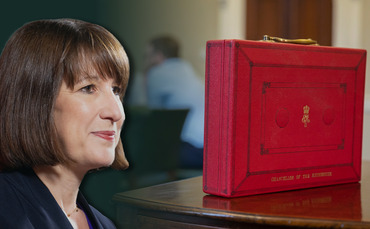

In the latest Autumn Budget, Labour has announced a significant hike in employers’ National Insurance contributions, set to take effect from April 2025.
- The current contribution rate of 13.8% will increase to 15% on employees’ earnings above £175 per week.
- This change is projected to generate approximately £25 billion for the government.
- The threshold for National Insurance contributions has been lowered, alongside adjustments to the employment allowance.
- Chancellor Rachel Reeves acknowledges the impact of this decision, stating it was not taken lightly.
Labour’s recent Autumn Budget has introduced a notable adjustment in employers’ National Insurance contributions, marking an increase by 1.2 percentage points, effective from April 2025. This move is part of a broader strategy to secure additional government revenue, with expectations to generate around £25 billion.
Currently, employers contribute 13.8% on employee earnings exceeding £175 per week. With the upcoming adjustment, this rate will be elevated to 15%. The Office for Budget Responsibility (OBR) has indicated that these changes are essential to meet broader fiscal requirements outlined in the budget.
Furthermore, changes have been made to the threshold for contributions as well as employment allowances. This means employers will encounter these contributions sooner, significantly affecting small to medium-sized businesses.
Chancellor Rachel Reeves has addressed the decision candidly, acknowledging its potential widespread impacts beyond the immediate business sphere. “I know that this is a difficult choice. I do not take this decision lightly,” she stated, urging businesses to understand the necessity behind this shift.
The impending adjustments in employers’ National Insurance contributions signify a crucial fiscal strategy by the Labour government.

