

Amidst growing concern, the Labour government faces calls to appoint a dedicated minister for logistics, with only two Department for Transport (DfT) roles filled.
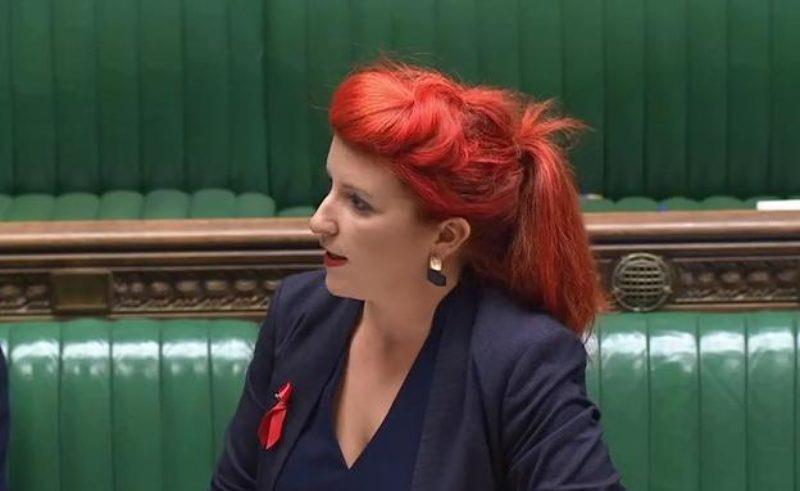
- MP Louise Haigh has been appointed as the new transport secretary, bringing experience from various shadow cabinet roles.
- Peter Hendy, known for his focus on rail, takes on the role of DfT minister of state.
- The logistics sector is pushing for prioritisation in the government’s industrial strategy, amidst recent infrastructure spending cuts.
- New research reveals two-fifths of truck drivers are experiencing depression due to long hours and isolation.
The newly elected Labour government is under increasing pressure to address the logistics sector’s concerns by appointing a dedicated minister. Despite significant representations from industry leaders, the government has thus far confirmed only two appointments within the Department for Transport. Louise Haigh has assumed the role of transport secretary, and Peter Hendy, with a noted focus on rail, has been appointed as minister of state. Jonathan Reynolds has also been appointed the new Secretary of State at the Department of Business and Industrial Strategy.
Louise Haigh, representing Sheffield Heeley, brings a wealth of experience from her tenure in various shadow cabinet positions. Her responsibilities have spanned the Home Office, Cabinet Office, and the Department for Culture, Media and Sport. Although Haigh’s comprehensive agenda as transport secretary is yet to be outlined, her past statements suggest a commitment to addressing infrastructure issues, including potholes. She advocates for multi-year funding settlements for local authorities, enabling longer-term budgeting strategies. During the election campaign, Haigh also expressed intentions to align the Department for Transport’s long-term road strategy with the central government’s 10-year infrastructure plan, a vision welcomed by the Road Haulage Association (RHA).
Peter Hendy, known formally as Baron Hendy of Richmond Hill, is anticipated to bring sharp focus on rail and urban transport challenges. His experience as chairman of Network Rail and former Commissioner of Transport for London underscores his suitability for such responsibilities. The Department for Transport conveyed that further ministerial appointments will be made soon, indicating ongoing adjustments within the sector.
Meanwhile, Jonathan Reynolds has articulated changes under Labour’s Automotive Strategy, devised prior to the general election. This strategy proposes a ‘Growth and Skills Levy’ to replace the current Apprenticeship Levy, intending to provide businesses with enhanced flexibility in training access. The strategy aims to broaden educational opportunities pertinent to future skills needs, notably in the fields of electric vehicle transition and infrastructure adaptation.
The logistics sector, represented by groups such as the UK Warehousing Association and Logistics UK, has been vocal about the necessity for dedicated governmental support. The UKWA reiterated its proposal for a Logistics Minister and insisted on backing for solar power adoption and apprenticeship reforms at a recent parliamentary luncheon. Logistics UK warned that recent government cuts in infrastructure expenditure could stifle the sector’s capacity to stimulate economic growth, emphasising logistics as a fundamental economic pillar.
Research has highlighted a pressing issue within the logistics workforce: mental health. Findings suggest that two-fifths of truck drivers are suffering from depression, principally attributed to isolation and protracted working hours. The sector is also rallying behind initiatives such as Cenex’s call for fleet operators to participate in surveys to assess the feasibility of shared electric vehicle charging at depots.
The pressure mounts on the Labour government to respond to logistics sector demands by appointing a dedicated minister and outlining support strategies.

