
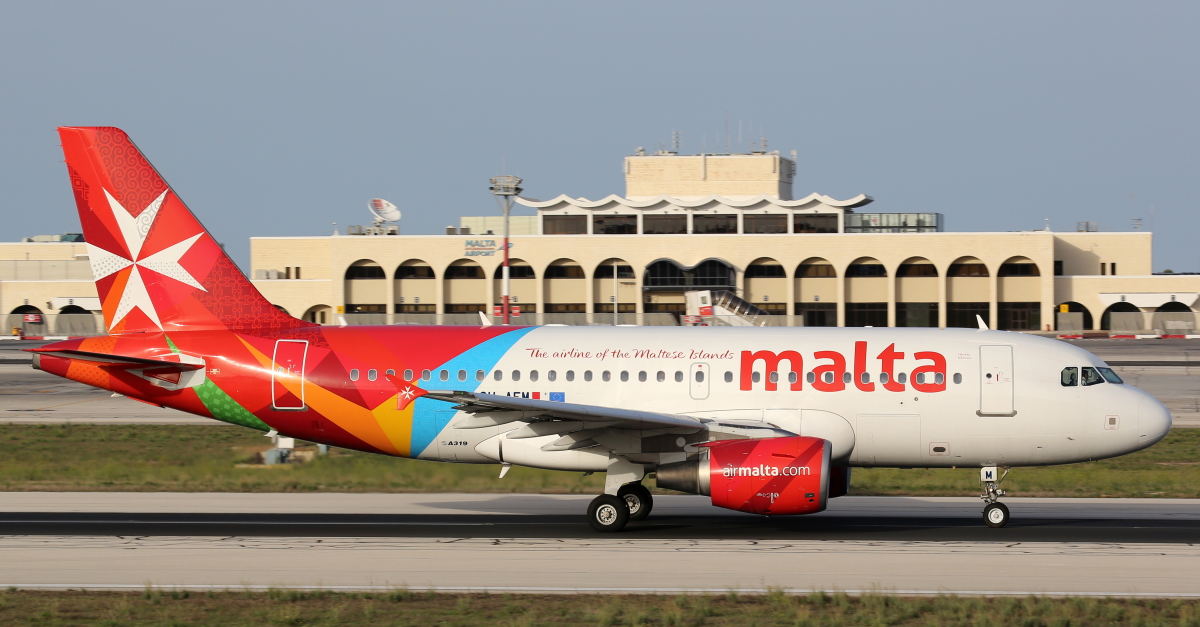

The transition from Air Malta to KM Malta Airlines heralds a new era for Malta’s aviation industry. This crucial changeover will commence this Sunday, coinciding with the onset of the summer schedule, and involves the operation of eight Airbus A320neos, covering key European routes. The strategic initiative stems from state regulatory demands and aims to boost financial sustainability.
The Maltese government has outlined a clear vision to phase out Air Malta in favour of the newly formed KM Malta Airlines, addressing compliance with EU state aid rules. This move, while complex, is necessary to avoid further subsidisation of a loss-making entity, marking a significant shift in Malta’s approach to managing its national airline. The transition reflects a determined effort to create a more viable and competitive carrier, ready to face challenges in the dynamic European aviation market.
Transition to a New Flag Carrier
Air Malta will conclude its operations on Saturday night, making way for the emergence of KM Malta Airlines as the new flag carrier of Malta starting this Sunday. This strategic shift aligns with the commencement of the summer flight schedule, signifying a fresh chapter in Malta’s aviation sector. The new airline will initially operate flights to 17 European destinations, including from Heathrow and Gatwick to Malta, utilising a fleet of eight state-of-the-art Airbus A320neos.
Rationale Behind the Transition
The transition from Air Malta to KM Malta Airlines was initiated by the Maltese government in August 2022. This move was driven by the imperative to adhere to European Union regulations on state aid, as continuing to subsidise the loss-making Air Malta would have contravened these laws. Consequently, the government opted to dissolve the airline and introduce a more financially viable alternative, culminating in the creation of KM Malta Airlines.
Challenges and Delays
The decision to wind up Air Malta was initially delayed. Significant cuts in the airline’s network and a reduction in flight frequencies were announced in October 2022, as part of the government’s restructuring efforts. In April 2023, the European Commission rejected a proposed state aid package of €290 million, further complicating the airline’s situation. Despite these hurdles, the government confirmed the impending transition, setting March 30th as the definitive date for Air Malta’s cessation.
Operational Strategy of KM Malta Airlines
KM Malta Airlines is set to operate a network that is approximately half the size of Air Malta’s pre-pandemic operations. The new airline’s seats went on sale from December, offering existing Air Malta passengers refunds for bookings beyond March 30th. The Maltese government envisions part-privatisation once KM Malta Airlines attains profitability, intending to retain a majority shareholding. Presently, the fleet will continue to feature the iconic Air Malta branding and livery, ensuring a degree of continuity during the transition.
Visit Malta has reported impressive demand for the new carrier’s value business class and flexible economy fares, especially within the UK market. Strong interest from tour operators and group sales further underscores the potential success of the new airline. This demand reflects the strategic importance of maintaining robust air links between the UK and Malta.
Competitive Landscape
KM Malta Airlines will face significant competition from well-established carriers such as Ryanair, easyJet, and Wizz Air, each holding a substantial market share in routes to and from the Maltese Islands. Ryanair, in particular, poses a formidable challenge, given its joint ownership with the Maltese government in the subsidiary Malta Air. Additionally, Wizz Air operates flights under the brand Wizz Air Malta, adding another layer of competition.
Despite these challenges, KM Malta Airlines aims to carve out a niche by offering superior service and competitive pricing. The airline’s management is confident that these factors will help distinguish it in a crowded marketplace, potentially attracting a dedicated customer base.
Government’s Role and Future Prospects
The Maltese government’s involvement in the airline’s reformation is crucial. Their commitment to retaining majority ownership indicates a strategised approach to ensuring the airline’s long-term success. The government plans to eventually part-privatise the airline once it becomes profitable, maintaining strategic control while inviting private investment. This move is seen as a balance between fostering economic viability and preserving national interests.
The current fleet, while still carrying Air Malta’s branding, represents a transitional phase. Over time, KM Malta Airlines is anticipated to establish its own identity, with potential rebranding initiatives on the horizon to mark a new era for Malta’s aviation industry.
Market Reception
Initial reactions to the launch of KM Malta Airlines have been largely positive, as reflected in the strong ticket sales reported by Visit Malta. The introduction of business class value fares has been particularly well-received by business travellers seeking a balance of comfort and value. Furthermore, the competitive pricing of economy fares has attracted interest from a broad demographic, indicating a promising start for the fledgling airline. Nevertheless, the airline must remain vigilant in the face of the considerable competition and ensure that service quality is consistently upheld.
The transition from Air Malta to KM Malta Airlines marks a significant change in Malta’s aviation landscape, driven by the need for financial sustainability and regulatory compliance. While the challenges are apparent, the strategic move is aimed at strengthening Malta’s connectivity to Europe. The government’s commitment to maintaining majority ownership reflects a long-term vision for the airline’s growth amidst competitive pressures.

