
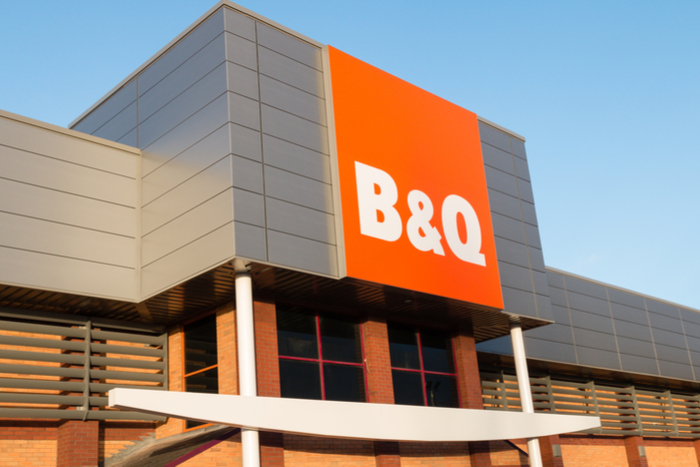

Kingfisher, the company behind B&Q, reported a modest rise in profits for the first half of the year, despite a decrease in overall sales.
The decline in sales, particularly in high-value items, was offset by effective cost management and strategic market positioning in the UK.
Kingfisher’s Financial Resilience
In the first half of the fiscal year, Kingfisher, the parent company of B&Q, saw its profits rise despite a challenging sales environment. Overall sales for the group dipped by 1.8%, but statutory pre-tax profits increased by 2.3% to £324 million. This slight increase was achieved in a market where demand for large, high-value items remained weak, with B&Q’s own big ticket sales plummeting by 11.6%.
Market Share Dynamics in the UK
Even with a downturn in sales, Kingfisher managed to maintain its market share in the UK. The company’s like-for-like sales only decreased by 0.2%, a testament to their resilient market strategy amid weather-related impacts on seasonal sales. Conversely, the French market saw a more concerning drop, with like-for-like sales falling by 7.2%.
Recovery in Seasonal Sales and Strategic Moves
Since early July, a recovery in seasonal sales has been observed. However, big ticket sales continued to underperform, declining by 6.8% in like-for-likes for the half-year. Kingfisher’s CEO Thierry Garnier credits the effective management of costs and inventory for these results. He assures stakeholders of the company’s strategic focus on gaining market share in the UK.
B&Q’s performance highlighted some positive trends within e-commerce. E-commerce and TradePoint sales surged with a robust 7.1% growth, now accounting for 22% of B&Q’s revenue. Marketplace operations also expanded significantly, capturing 40% of online sales during this period.
Insights from Kingfisher’s Leadership
CEO Thierry Garnier expressed satisfaction with the trading outcomes, which aligned with company expectations. He emphasized the importance of customers continuing to focus on home maintenance and renovation, ensuring steady demand in core product categories. Garnier further remarked on Kingfisher’s success in meeting trade customer needs and enhancing e-commerce capabilities.
Garnier stated, “Our UK and Ireland banners continued to gain market share, supported by strong ecommerce sales and our progress in addressing trade customer needs.” This growth narrative is bolstered by early indicators of a housing market recovery, particularly in the UK, positioning Kingfisher for future expansion.
Future Prospects for Growth
The company remains optimistic about its strategic initiatives aimed at maintaining cost-effective operations and growing its market presence. With signs of a housing market resurgence, especially within the UK, Kingfisher anticipates significant opportunities in the coming years. By focusing on strategic priorities, the company is set to capitalize on these emerging trends.
In conclusion, while encountering certain market challenges, Kingfisher’s robust approach in navigating current uncertainties sets a solid foundation for future growth. The emphasis on costs, inventory management, and strong e-commerce presence underscores its preparedness for further market developments.
Performance of Screwfix
During the half-year period, Screwfix, also part of the Kingfisher group, noted a modest sales increase of 1.2%. This growth, though minimal, reflects the brand’s consistent performance in a volatile market. Screwfix’s ability to sustain sales levels underscores the underlying stability of Kingfisher’s broader business model.
Kingfisher’s financial outcomes reveal a company strategically navigating market challenges while preparing for future growth.
With a strong e-commerce presence and effective cost strategies, Kingfisher is well-positioned for the years ahead.

