
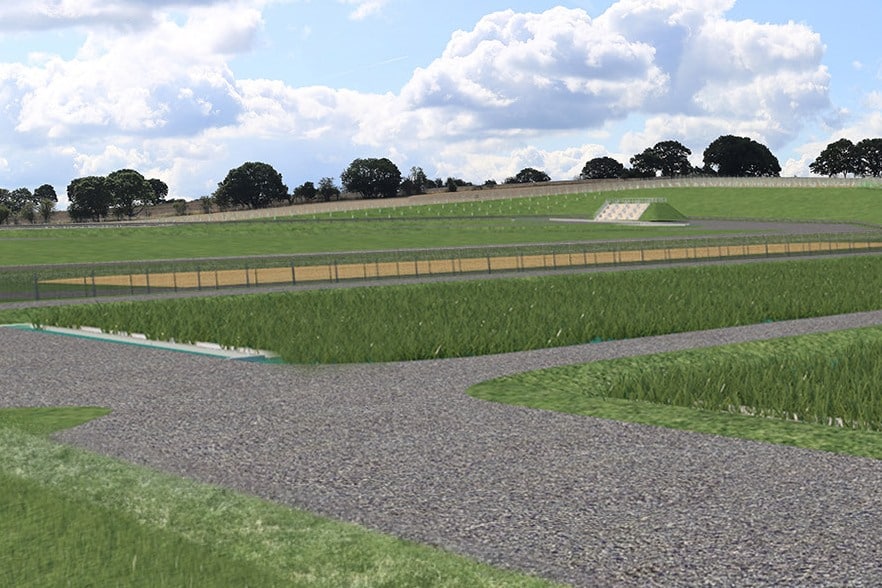

A significant contract has been awarded to Kier to design and build a new water treatment scheme.
- The scheme is part of the ongoing efforts to manage rising mine water levels from former coal mines.
- The project involves creating a blend of treatment features including settlement ponds and reed beds.
- Construction will also focus on promoting biodiversity with the planting of trees, bushes, and wildflowers.
- This undertaking is part of the Coal Authority’s broader strategy to protect the environment and water sources.
The Coal Authority has entrusted Kier with a £6.5 million contract aimed at designing and constructing a mine water treatment scheme. This venture is located at Thorpe Hesley in Rotherham and is an integral part of the Coal Authority’s commitment to managing increased mine water levels from historic coal mining activities. The initiative underscores the pressing need for sustainable solutions to counteract environmental challenges posed by legacy mining operations.
Kier is mandated to create a sophisticated pumped-passive treatment system, which features settlement ponds, reed beds, and associated pipework within a five-hectare expanse. The mine water will initially be processed through an aeration cascade, followed by settlement ponds and reed beds for further treatment, ensuring the discharged water is safe for the watercourse. This meticulous approach illustrates the project’s comprehensive design considerations tailored to address specific environmental concerns.
With the design phase having commenced in August 2024, the construction process is set to include substantial ecological enhancements post-completion. Trees, bushes, and wildflowers will be strategically planted to cultivate new habitats for local wildlife. This aligns with contemporary environmental restoration practices, aiming to foster biodiversity alongside functional infrastructure development.
Eddie Quinn from Kier highlighted the collaboration with the Coal Authority, emphasising the company’s extensive experience in executing engineering schemes that prioritise long-term habitat creation. His remarks reflect an industry trend towards integrating environmental sustainability into project planning and execution.
James Bagnall, leading the Coal Authority’s coal programme, reinforced the significance of the treatment scheme, citing the protection of drinking water and the local environment as key objectives. His statements provide insight into the critical role that these treatment systems play, with over 80 similar operations across Britain managing and treating billions of litres of mine water annually.
The project at Thorpe Hesley exemplifies strategic environmental stewardship through effective engineering solutions.

