

Budget 2024 introduces significant funding initiatives across tech and life sciences with notable tax changes.
- The budget allocates over £20bn to boost growth industries including engineering and biotechnology.
- Chancellor Reeves announces tax relief for VFX in TV and film, promising increased employment.
- Regional mayors are set to gain control over local funding, starting with Greater Manchester.
- Other notable changes include a rise in minimum wage and NI contributions alongside increased NHS spending.
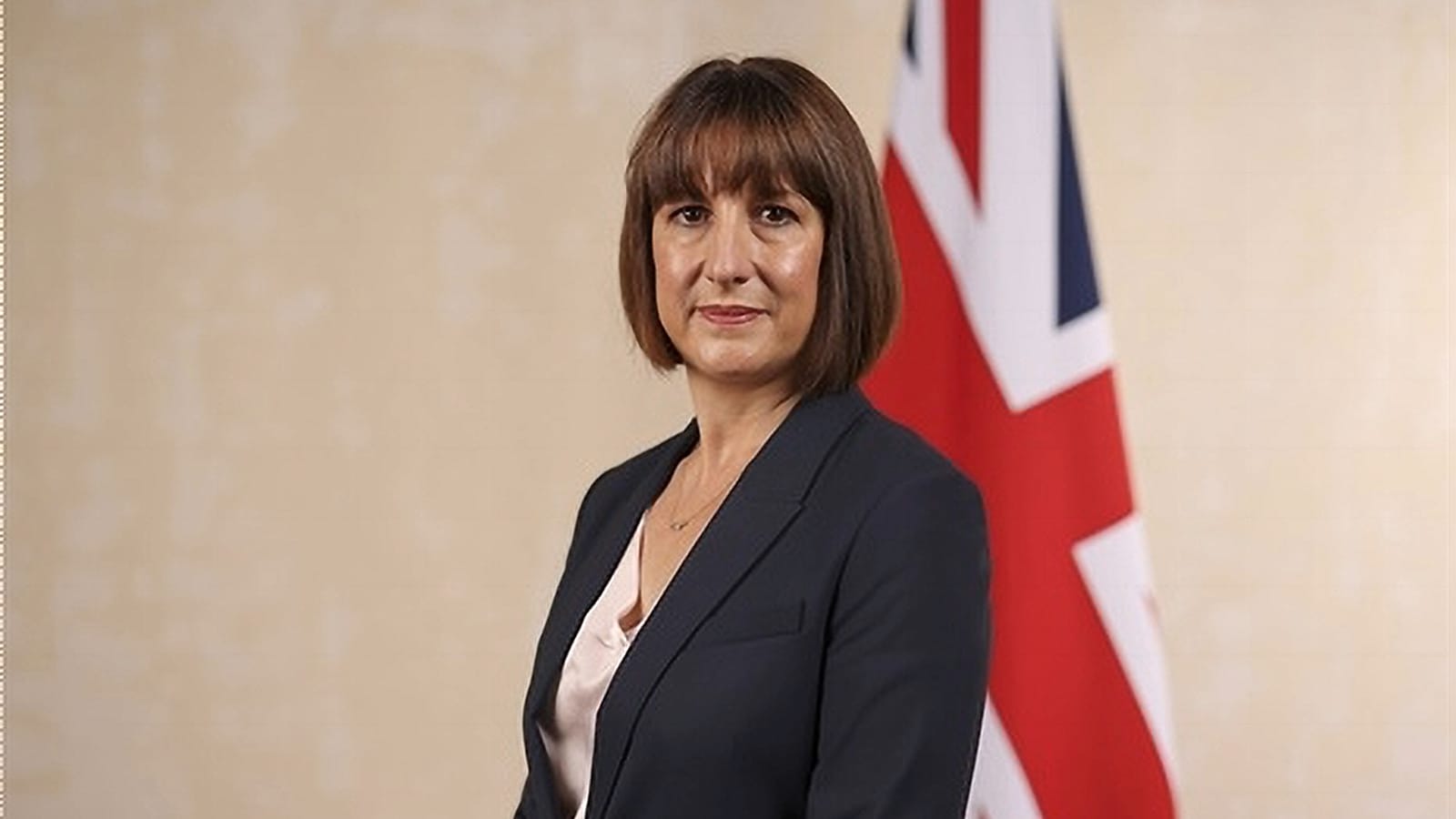
Chancellor Rachel Reeves presented her first budget, addressing the need for development in pivotal sectors such as technology and life sciences. More than £20bn is designated to unlock potential in areas like engineering and biotechnology, vital for future growth. Additionally, over £2bn is allocated to the automotive sector and nearly £1bn for aerospace. The creation of a Life Sciences Innovative Manufacturing Fund sees a budget of up to £520m, signifying a substantial investment in cutting-edge industries.
In the realm of TV and film, an unspecified tax relief for VFX work indicates support for creative sectors, complemented by a £25m investment in CrownWorks Studio in Sunderland. This project is anticipated to generate 8,000 jobs in the North East, marking a significant economic boost for the region.
The budget additionally provides greater autonomy for regional mayors, beginning with integrated financial settlements in Greater Manchester and the West Midlands. This shift aims to furnish regional leaders with substantial control over local funding, potentially altering the current balance of power between regions and the central government.
While the budget heralds a 1.2% rise in employers’ National Insurance contributions, it also extends support to smaller enterprises to offset this financial strain. Alongside these changes, there are increases in the national minimum wage and NHS spending, aiming to bolster public welfare despite continuing economic challenges.
Chancellor Reeves also outlines fiscal measures such as a duty cut on draft alcohol, while increasing non-draft alcohol prices in line with inflation. These adjustments form part of a broader economic strategy to raise £40bn and increase government expenditure by £70bn, as well as partially rectify the economic impact of prior austerity measures.
Budget 2024 underscores a significant shift towards regional empowerment and strategic investment in future growth industries.

