
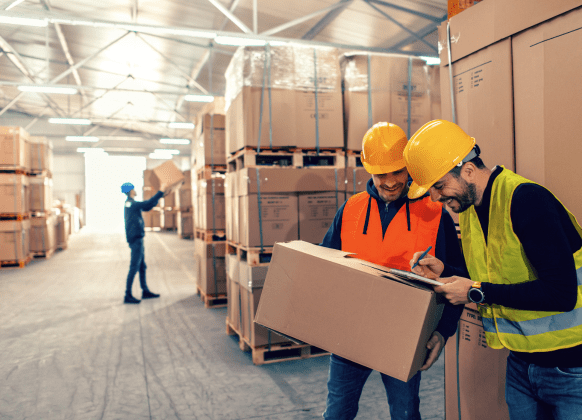

Ensuring employee safety in warehouse environments is critical due to inherent risks.
- Effective communication is essential to foster a culture of safety and awareness.
- Preparedness for emergencies, including fires and spills, is crucial for safety.
- Impact protection systems can significantly reduce collision-related injuries.
- Ergonomic practices help minimise strain and injury from repetitive tasks.
Warehouses are hazardous environments, necessitating stringent safety measures to protect employees. The presence of heavy machinery, towering shelves, and the rapid pace of operations heighten risks, underscoring the importance of maintaining employee safety. Compliance with safety regulations not only safeguards workers but also fosters productivity.
Communication is pivotal in ensuring safety within warehouses. Establishing clear, open channels allows for effective dissemination of safety protocols and empowers employees to report hazards. Regular safety meetings play a critical role in discussing incidents and revising safety strategies, thereby enhancing morale and productivity by addressing any safety concerns from employees.
An often overlooked but essential aspect is preparedness for emergencies. Robust emergency response plans should address various scenarios, such as fires, chemical spills, and medical emergencies. Conducting regular fire drills familiarises employees with evacuation routes and assembly points, while first aid training equips them to manage common injuries until professional help arrives.
To reduce the risks posed by machinery, implementing impact protection systems is advisable. These systems, which include pedestrian barriers and bollards, are designed to absorb collision impact, thereby protecting employees and equipment. Separating pedestrian pathways from machinery routes significantly decreases the chance of accidental collisions.
The implementation of ergonomic solutions can significantly contribute to reducing workplace injuries. By providing ergonomic equipment, such as adjustable workstations and lifting aids, employers can minimise musculoskeletal issues arising from repetitive tasks. Training on proper lifting techniques, supplemented by encouraging short breaks, further aids in mitigating injury risks.
Holistic safety measures encompassing communication, preparedness, and ergonomics are vital for safeguarding warehouse workers.

