
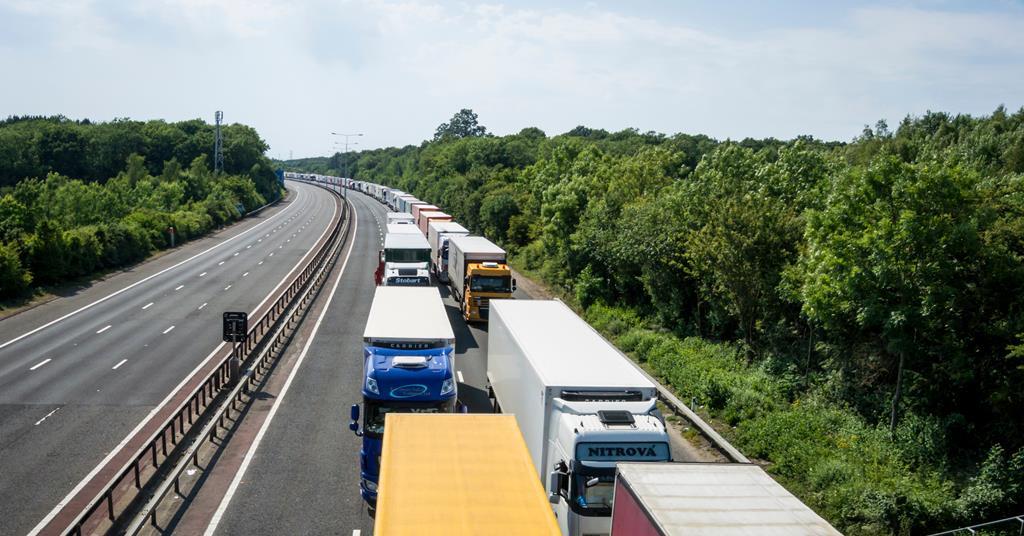

Leaders in Kent are urging governmental action to prevent severe supply chain disruption due to upcoming EU border checks.
- A collective letter was sent to key government officials, highlighting the potential nationwide impact of these unchecked border protocols.
- Council leaders stress the dire consequences for trade, local communities, and public services unless technological solutions are implemented swiftly.
- Logistics experts are advocating for extended timelines and digital solutions to mitigate potential delays at the UK-EU border.
- Failure to adequately prepare for the EU’s Entry Exit System could significantly impact international trade.
As the introduction of the European Union’s Entry Exit System (EES) draws near, Kent’s council leaders are sounding the alarm over potential catastrophic disruptions to the region’s supply chains. They have appealed to the government to mitigate the impending chaos that could ripple across Kent and impact the entire nation.
At a recent meeting in Dover, these leaders composed a letter that was sent to Yvette Cooper MP, the home department secretary, and Louise Haigh MP, transport secretary. The correspondence stressed the urgent need for government intervention to avert gridlock at the UK-France border, which could severely disrupt international trade routes.
The crux of the council leaders’ concerns is that these new checks do not merely pose a regional issue for Kent; they represent a much broader national dilemma. The succeeding delays could significantly hinder the delivery of essential public services and impact businesses and tourism throughout local communities.
Nichola Mallon, head of trade and policy at Logistics UK, expressed support for this appeal, articulating the necessity of a considered approach. She commented, “A quarter of all food imported into the UK from the EU passes through the Port of Dover and Eurotunnel.” She further emphasised the importance of technological developments to ease border congestion.
The urgency of the matter is echoed by Colin Robb, a customs expert, who warns that insufficient preparedness for this post-Brexit change could lead to significant delays and costs for operators—estimated to be as high as £1,100 per truck by Logistics UK.
Both Logistics UK and the council leaders believe that immediate government action is paramount. The development and implementation of an app or web-based system enabling offsite biometric scanning is considered vital to address these challenges. This technological solution would facilitate smoother traffic flow and reduce the projected adverse effects on crucial supply chains.
Until these solutions are realised, the government is called upon to share its analytical data and strategic forecasts with essential stakeholders. This transparency is needed to ensure that response plans are adequately resourced and coordinated.
Swift governmental and technological intervention is essential to avert major disruptions at Kent’s borders.

