
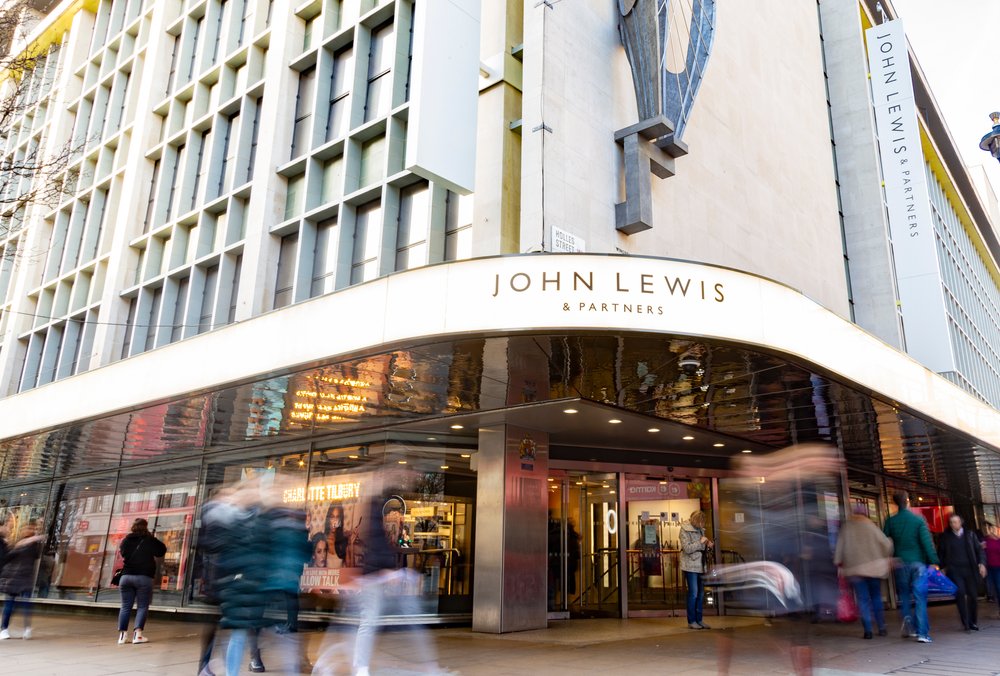

John Lewis and Waitrose have decided to close the majority of their stores on Boxing Day, presenting a new stance in retail operations.
The decision reflects a broader industry trend focused on enhancing employee welfare, shifting away from traditional retail practices.
Retail Giants Close for Boxing Day
John Lewis and Waitrose have announced the closure of their standalone stores on Boxing Day. With the exception of their Trafford and Stratford locations, Shoppers will find the doors closed, impacting over 300 Waitrose and 37 John Lewis sites. The strategic decision aligns with a broader trend across retail sectors, prioritising employee welfare over the holiday period. This marks a significant shift as Boxing Day is traditionally seen as a lucrative opportunity for retailers to boost their annual sales figures.
Trend Following in the Retail Sector
The move to close on Boxing Day follows similar actions by brands such as Wilko and The Range last year, solidifying a growing trend among retail giants. During the previous holiday season, CDS Superstores also opted to close over 200 branches, emphasising the importance of giving employees a “well-earned break.” This sentiment is echoed in today’s retail environment, where employee well-being is increasingly highlighted as a core business value.
Home Bargains has similarly decided to shut all branches on Christmas, Boxing, and New Year’s Day. This decision underscores a paradigm shift wherein retailers are recalibrating priorities to accommodate the work-life balance of their workforce.
Store Closures Beyond Boxing Day
The closures will extend beyond Boxing Day, as John Lewis and Waitrose also plan to shut most of their stores on New Year’s Day. This continuation of closures indicates a commitment to the well-being of employees, suggesting it is not just a seasonal gesture but a long-term strategic approach.
While most retail outlets will remain shuttered, some Waitrose locations attached to petrol stations are expected to stay open, providing convenience for travellers and last-minute shoppers alike.
This dual-approach highlights an interesting trend where essential service locations continue while traditional retail settings pause, reflecting evolving consumer expectations and business models.
Impact on Consumer Shopping Behaviour
The reduction in shopping days due to closures could lead to a shift in consumer behaviour. Shoppers may adjust plans, possibly turning to e-commerce platforms for their post-Christmas shopping needs. This situation provides an opportunity to analyse how digital retail solutions can cater to increased demand during holiday closures.
Boxing Day closures might push consumers to engage in pre-Christmas shopping binges, inherently altering the retail sales landscape. Anecdotal reports suggest that consumers show a preference for engaging in online deals rather than battling in-store crowds, especially when outlets are closed.
Employee Welfare as a Business Strategy
Increasingly, the retail industry recognises that prioritising employee welfare results in long-term benefits, including improved staff retention and customer service quality. Retailers like John Lewis and Waitrose lead by example, aligning business operations with employee satisfaction.
This closure strategy presents an opportunity to boost employee morale, offering time for rest and family during what is traditionally a busy retail period. Businesses following this model might witness a cultural shift promoting holistic work environments, potentially transforming industry norms.
The decision to shut on key retail days indicates a refined understanding of the relationship between employee satisfaction and productivity, affirming the role of strategic closure in long-term success.
Public Reaction and Business Implications
Public reactions to these closures are mixed, with some consumers appreciative of the focus on employee welfare, while others express frustration over limited shopping days. This divide highlights the complexity of balancing consumer expectations with ethical business practices. Retailers must navigate these waters carefully to maintain their brand image and customer loyalty amidst changing social expectations.
Close attention is being paid to the financial implications of these closures. While immediate revenue might take a hit, the potential for enhanced brand loyalty and public goodwill could offset short-term losses. This is a calculated risk that could redefine success metrics within the retail industry.
Future Outlook for Retail Closures
This trend of holiday closures might reshape retail strategies in the coming years. As consumers and businesses adapt, it remains to be seen whether this approach becomes a mainstay in the retail playbook, particularly in promoting sustainable business models that value employee welfare as a critical component of organisational success.
As the retail industry continues to evolve, the shift towards valuing employee welfare over sales on significant retail days may herald a new era.
This decision by John Lewis and Waitrose could influence future retail strategies and consumer behaviours.

