
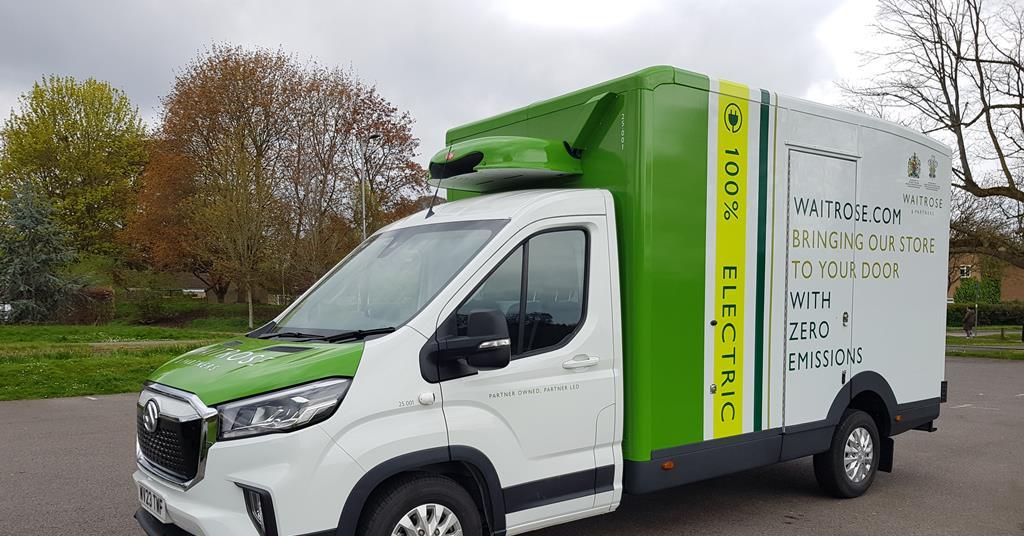

The John Lewis Partnership (JLP) has again been recognised for its environmental endeavours, clinching the Motor Transport Low Carbon Award for the third time in seven years.
- JLP is committed to revolutionising its transport operations, pledging to eliminate fossil fuel use by 2030 and achieve zero carbon emissions by 2035.
- With substantial investment in biomethane and electric vehicle technology, JLP is on the forefront of the industry’s decarbonisation.
- The firm is actively participating in trials like Project Jolt to test viable alternatives to current fleet technologies.
- JLP advocates for governmental support in using low-carbon fuels over purely focusing on electric solutions, citing cost and efficiency benefits.
John Lewis Partnership’s (JLP) dedication to sustainability has once more earned them the distinguished Motor Transport Low Carbon Award for a third time within seven years. Their winning submission echoed a strong resolve to decrease consumption, embrace renewable alternatives, and critically assess the entire value chain’s impact. This commitment extends to their transport operations, with JLP stating, “We are in a time of real revolution in fleets.”
JLP is pledging to cease the use of fossil fuels in its transport fleet by 2030, already achieving a notable reduction of over 40% in carbon emissions through efficiencies and the strategic deployment of biomethane trucks and electric vans. By 2028, all of JLP’s heavy trucks are projected to operate on biomethane, with the whole fleet expected to transition away from fossil fuels by 2030. Such an ambitious target underscores JLP’s distinctive leadership in sustainability within the retail sector.
Trial projects like ‘Project Jolt’ have placed JLP at the cutting edge, running an FM 4×2 battery electric tractor unit since May 2024 in collaboration with Volvo and Flexible Power Systems. The project aims to assess the viability of fully electric fleets versus existing gas-powered options. Justin Laney, JLP’s fleet manager, noted challenges in fully transitioning to electric vehicles, particularly concerning infrastructure and vehicle charging times on busy days.
Laney expressed a preference for low-carbon renewable fuels over exclusive reliance on battery electric systems for heavy-duty trucks. “There is a risk in focusing just on electric heavy duty trucks,” he warned, arguing that biomethane provides comparable carbon savings at a potentially lower cost than electric vehicles. JLP’s decision to choose biomethane stems from cost-effectiveness and ease of controlling the supply chain, combined with current lower fuel duties compared to diesel.
While JLP continues to innovate with green technologies, government support for varied alternative fuel methods remains crucial. Laney called for incentives for low carbon renewable fuels and the establishment of electrified roads for trucks to enhance productivity and reduce infrastructure demands. He also referenced the potential of autonomous vehicles in improving logistics efficiency.
The broader scope of JLP’s plan extends to reducing Scope 3 emissions, looking beyond their direct operations to the materials embedded within their vehicles. They are pressing manufacturers for transparency in carbon content, highlighting the ever-increasing demand for accountability regarding sustainability practices. This aligns with global trends, where countries with cleaner energy grids are better equipped to lower vehicle carbon footprints.
JLP’s drive towards zero emissions represents a proactive and strategic approach in the ongoing challenge to create a sustainable future in road transport.

