
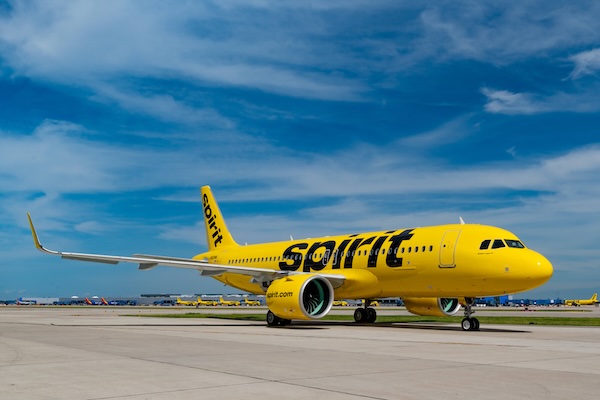

JetBlue Airways and Spirit Airlines have initiated an appeal against a court ruling blocking their proposed merger valued at $3.8 billion. Both airlines argue that this merger is pivotal to increasing market competition and enhancing customer choices through lower fares.
JetBlue and Spirit’s Legal Challenge
JetBlue Airways and Spirit Airlines have formally appealed a recent ruling by a US federal judge blocking their planned $3.8 billion merger. This legal step, filed with the US Court of Appeals, signifies their commitment to pursuing the merger despite judicial setbacks. Both airlines argue that the merger would enhance competition, offering consumers more choice and lower fares, contrary to the judge’s decision. District Judge William Young had previously aligned with the US Department of Justice, citing the merger as potentially harmful to passengers by reducing competition.
Arguments for Increased Competition
Both airlines have publicly stated their belief that a merger would increase competition in the aviation sector. They emphasise that combining their resources could challenge dominant US carriers, potentially lowering fares and improving services for a wider customer base. However, the ruling from Judge Young suggested that the merger might consolidate market power, exacerbating an oligopoly and increasing the risk of higher prices. Spirit maintains that its union with JetBlue will enhance its competitive edge in key markets.
Financial Strategies Amidst Legal Proceedings
Spirit Airlines, in its quest to enhance liquidity amid ongoing legal battles, has executed the sale and leaseback of 25 aircraft, raising $419 million. This move is part of a broader strategy to fortify its financial position, ensuring resilience amid fluctuating travel demand. Additionally, Spirit is in negotiations to secure compensation from Pratt & Whitney for grounded aircraft due to engine issues. The airline aims to utilise these funds strategically to navigate the legal challenges and bolster its market position. This financial manoeuvring underscores Spirit’s determination to remain competitive in the current economic climate.
Judicial Perspective on the Merger Proposal
In his detailed ruling, Judge Young articulated concerns about the potential reduction in market competition, emphasising that allowing JetBlue to acquire Spirit would diminish one of the few low-cost carriers in the industry. This could lead to reduced innovation and less price discipline, impacting consumer choice. The ruling highlighted a fear of a monopolistic market structure, which could emerge if such mergers are not scrutinised carefully. The legal system thus acts as a critical check on corporate consolidations in sensitive sectors like aviation. The case has garnered significant attention as it unfolds in the courts.
Strategic Rationale Behind JetBlue’s Actions
JetBlue has reiterated its rationale for pursuing the merger with Spirit, insisting that it represents a strategic move to expand its reach and competitive capability. By integrating Spirit, JetBlue aims to increase its footprint and leverage economies of scale. These actions are part of a broader plan to improve operational efficiency and offer enhanced service offerings across its network. The company views the merger not only as a growth opportunity but as a vital step towards long-term sustainability in a highly competitive market. Such strategic initiatives are crucial for airlines aiming to thrive amid economic and regulatory pressures.
Potential Implications for the Aviation Sector
If successful, the JetBlue-Spirit merger could significantly reshape the US aviation landscape. By creating a stronger competitor to the major airlines, this merger has the potential to impact fare structures, service quality, and route availability. However, the outcome of this legal battle will also set a precedent for future mergers and acquisitions in the industry. It highlights the delicate balance regulators must maintain between fostering competition and preventing monopolistic practices. The merger’s approval or denial could influence regulatory frameworks and corporate strategies in aviation going forward.
Next Steps in the Legal Process
The appeal now advances through the appellate court system, where judges will scrutinise the legal arguments presented by both sides. As the case progresses, it will undergo rigorous examination, with potential implications not just for the airlines involved but for the wider industry. Legal analysts and industry stakeholders will be closely monitoring developments in this high-profile case. These proceedings will contribute to shaping the regulatory landscape for future airline mergers and acquisitions, highlighting the complexities of balancing corporate ambitions with consumer interests.
As the appeal process unfolds, the decision will have significant ramifications for the aviation sector, potentially influencing future merger strategies and regulatory guidelines. The outcome could reshape competitive dynamics and regulatory approaches, underscoring its critical importance.

