

Jet2’s CEO raises concerns about the government’s economic predictions, fearing negative outcomes.
- The Labour government’s rhetoric about worsening economic conditions faces criticism from industry leaders.
- Increased taxes in the forthcoming budget could have adverse effects on the travel sector.
- Jet2’s manifesto for economic revitalisation calls for stability and sustainable practices.
- There is cautious optimism about the government’s approach to sustainable aviation.
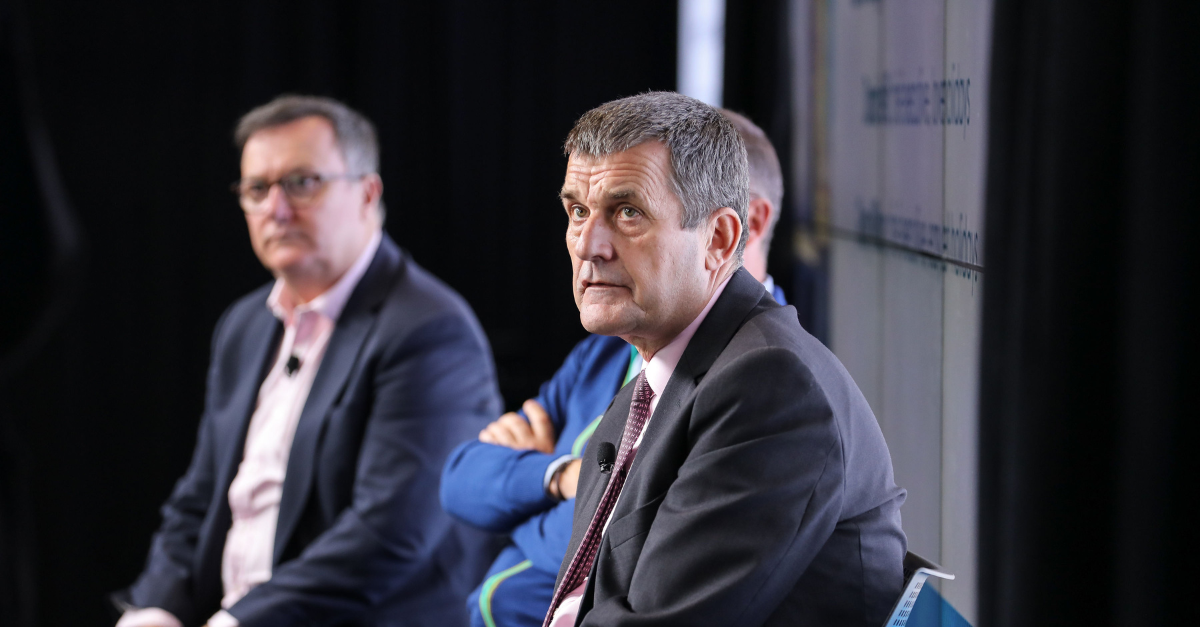
At a recent industry conference, the chief executive of Jet2.com and Jet2holidays, Steve Heapy, expressed concerns regarding the Labour government’s ongoing discourse about the UK economy. He suggests that the government’s continual predictions of impending economic difficulties could potentially manifest into reality, becoming a self-fulfilling prophecy. This perspective has surfaced amidst critiques aimed at the government for their somewhat pessimistic outlook.
Steve Heapy also voiced apprehensions about the impact that potential tax increases in the upcoming autumn budget might have on the travel industry. He noted that businesses could become increasingly anxious, considering the anticipated announcements concerning possible tax hikes that might adversely affect the travel sector. With the budget looming, Heapy’s caution reflects wider industry concerns about fiscal pressures.
In a strategic move, Jet2.com and Jet2holidays presented a manifesto at the Labour Party conference, advocating for economic growth and stability. The manifesto emphasizes the necessity for the government to back British businesses, promote sustainability, and foster a conducive environment for skills development and employment.
Despite these concerns, Heapy expressed some optimism regarding the government’s commitment to sustainable aviation fuel (SAF) and airspace modernisation. He welcomed the SAF mandate set to be implemented in January 2025, which aims to enhance sustainability measures within aviation, but stressed the need for a definitive timeline to realise airspace modernisation goals.
Heapy’s sentiments were echoed by EasyJet holidays’ chief executive Garry Wilson, who acknowledged the significance of the government’s sustainable fuel initiatives. While recognising SAF as a positive initial step, Wilson maintained a hopeful stance towards further governmental actions, particularly concerning airspace modernisation. He reiterated the expectation for the government to move beyond rhetoric and demonstrate tangible progress in these areas.
The travel industry remains watchful, hopeful for constructive governmental action that aligns with industry stability and sustainability goals.

