
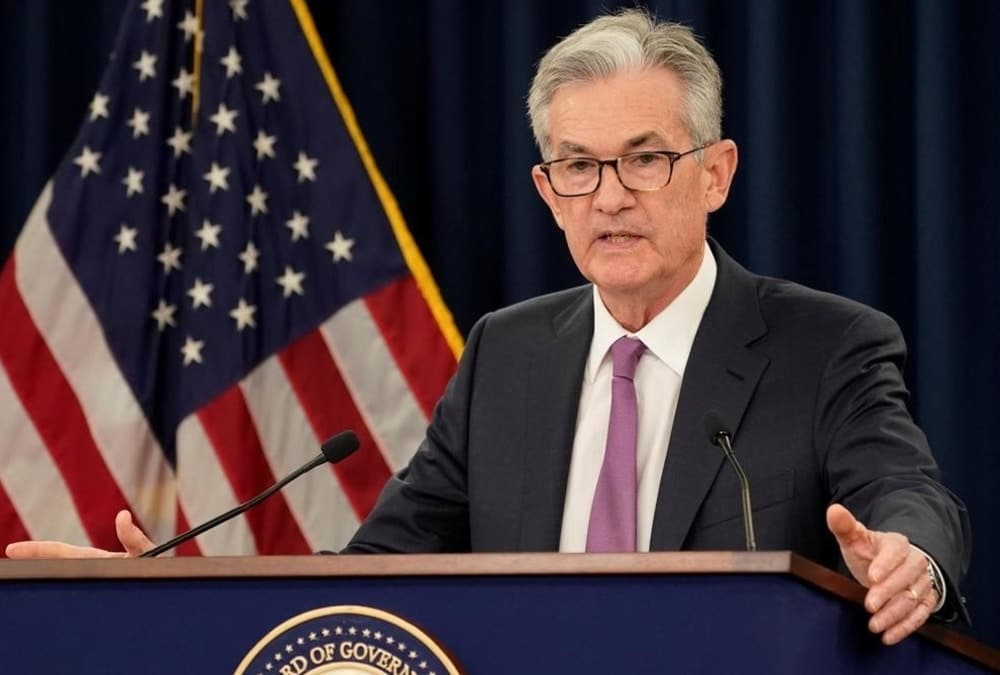

As the U.S. enters the fourth quarter, Federal Reserve Chair Jerome Powell is considering significant shifts in monetary policy, particularly in light of recent economic data.
With inflation showing signs of easing, the possibility of an interest rate cut is becoming more likely. Powell and his team are carefully evaluating the balance between managing inflation and sustaining employment.
CPI and Core Inflation: A Mixed Narrative
The latest inflation statistics have become pivotal in shaping the Federal Reserve’s course of action. The minimal 0.1% escalation in September’s CPI reflects a marked deceleration from previous months. Year-over-year, CPI is anticipated to demonstrate a 2.3% rise, registering the slowest annual rate since early 2021, aligning with the Fed’s ongoing commitment to price stability. Alongside headline inflation, core CPI—which omits volatile food and energy figures—rose by 0.2% in September, indicating a 3.2% annual increase. This data underscores easing inflationary pressures. Fed Chair Jerome Powell is reassured by these developments, considering them as a foundation for a possible quarter-point rate reduction at the upcoming November meeting.
Employment Data: A Complicated Equation
The economic landscape is further convoluted by a surprisingly robust September employment report. Employment figures defy expectations, with job growth bolstering wage increases, augmenting potential inflationary pressure. Ordinarily, such labour market robustness could incite inflationary concerns, yet Powell perceives current metrics as offering latitude. The equilibrium between waning inflation and labour market stringency will crucially inform the Federal Reserve’s strategies. Powell’s cautiously optimistic outlook is fortified by projections of a diminishing producer price index (PPI), which quantifies business cost pressures. A reduced PPI growth rate could alleviate business expenses, enhancing favourable inflation forecasts.
Global Central Banks and Their Rate Reductions
As Powell deliberates on these intricate economic variables, other global central banks are proceeding with rate cuts. In Asia, monetary authorities in New Zealand and South Korea are poised for reductions amidst tempering inflation and softer labour markets. Specifically, New Zealand is expected to lower rates by half a percentage point, while the Bank of Korea is anticipated to opt for a quarter-point reduction. Observations from Europe reveal similar movements. The European Central Bank (ECB) hints at rate cuts, driven by persistent manufacturing difficulties, particularly in Germany, alongside broader economic headwinds. Correspondingly, the Bank of England is contemplating more assertive cuts, contingent upon forthcoming GDP insights.
The Projected Path of U.S. Inflation
May 2021 data also indicates a gradual fall in U.S. inflation rates in the months ahead. Bloomberg analysts predict the core PCE—a preferred inflation gauge—may converge with the Fed’s 2% target. “Modest” inflation expectations harmonize with expanding FSF and M2, underscoring the diminishing stability of inflation, thus augmenting likelihood of a rate cut. As Powell and his advisors convene in November, these inflation signals will be juxtaposed against labour market metrics and enterprise cost analyses. This assessment should inform the architecture of U.S. monetary policy in anticipation of the 2024 electoral period, with the Fed maintaining a cautiously optimistic view on inflation.
Conclusion: Weighing Options Amid Economic Indicators
Weighing these multifaceted economic indicators, Jerome Powell and the Federal Reserve’s leadership face pivotal decisions. Their deliberations must strike a balance between promoting economic growth and safeguarding price stability. While the path forward is fraught with challenges, the present slowdown in inflation provides some latitude. Powell’s approach of cautious pragmatism could guide the Fed towards potentially lowering rates, thereby aligning with the trends observed globally and setting a precedent for future monetary policy.
In navigating these economic complexities, the Federal Reserve is poised to make key decisions that reflect both caution and strategic foresight.
By potentially adjusting interest rates, Jerome Powell aims to align the U.S. economy with its inflationary goals while considering global economic trends.

