
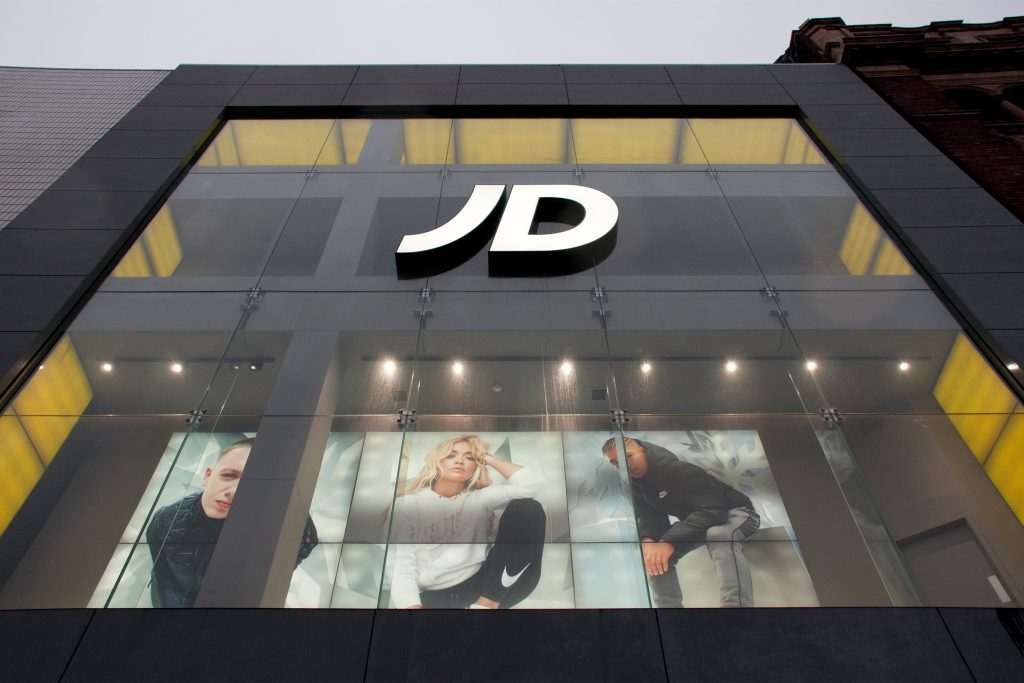

JD Sports has announced the impending closure of its Derby distribution centre, affecting nearly 200 employees. The decision is part of a strategic overhaul of the company’s supply chain network.
The closure stems from a detailed review aimed at enhancing operational efficiency and aligning resources with evolving market demands. The company is actively seeking to redeploy affected staff within its broader network, underscoring its commitment to workforce resilience.
Strategic Rationale Behind Closure
JD Sports’ decision to shut down its Derby distribution centre follows a comprehensive review of its global supply chain framework. This review was imperative to optimise operations and maintain competitive advantage. Chief Executive Régis Schultz highlighted the importance of the company’s multi-brand operating model as a key factor in this strategic pivot. By consolidating operations, the company aims to strengthen its logistical efficiency and overall market presence.
The closure affects nearly 200 employees, a significant number within the Derby facility. In response, JD Sports has committed to exploring alternative employment opportunities for those impacted. This commitment exemplifies the company’s dedication to its workforce, despite the challenging circumstances surrounding the closure. The transition is designed to be as smooth as possible, with human resources actively working to support affected individuals.
Operational History and Site Evaluation
In 2021, JD Sports entered into a 20-year lease agreement for the Derby site. This newly constructed 514,000 square foot facility was designed to house up to 500 staff and included 56 dock doors and parking for 185 trailers. The decision to invest in such a substantial infrastructure underscores the site’s initial strategic importance.
However, the strategic review conducted in July prompted a shift in perspective. The review evaluated the operational viability and cost-effectiveness of maintaining the Derby distribution centre within the broader supply chain. This evaluation was driven by evolving market dynamics and the need to adapt to a changing retail environment, which necessitated reevaluating existing assets and logistical frameworks.
Financial Performance Amidst Transitions
The decision to close the Derby facility comes at a time when JD Sports has reported positive sales growth. The retailer’s second quarter trading update revealed a 2.4% increase in like-for-like sales and an impressive organic sales rise of 8.3%.
According to Schultz, these figures reflect the robustness of JD Sports’ operational model. Schultz stated, ‘The quarter-on-quarter trading improvement was driven primarily by the strength of our multi-brand operating model and softer comparatives with the previous year.’ This growth trend supports the strategic decision to streamline operations amidst current market conditions.
Future Prospects for Affected Employees
With nearly 200 employees impacted, JD Sports is focused on mitigating the adverse effects of the closure. The company is actively pursuing alternative roles within its other facilities, particularly in the Rochdale distribution centre, which remains unaffected.
JD Sports is implementing comprehensive measures to ensure workers transition smoothly into new positions. This includes dedicated support teams to guide affected individuals through the relocation process. The company’s commitment to its staff remains unwavering, highlighting its role as a responsible employer during this transitional phase.
Alternative Distribution Strategy
The closure of the Derby facility aligns with JD Sports’ broader distribution strategy, which prioritises efficient resource allocation and operational synergy across its network. By concentrating efforts on more strategically positioned centres, the company aims to enhance its logistical capabilities.
This strategic reallocation is viewed as a move to bolster JD Sports’ position within the highly competitive retail market. Investments in technology and infrastructure continue to play a crucial role in supporting the company’s growth ambitions and maintaining its competitive edge.
Industry Context and Competitive Landscape
Amidst a challenging retail landscape, JD Sports’ decision reflects broader industry trends prioritising adaptive strategies and cost management. Many retailers are reevaluating their supply chains, seeking to leverage technology and enhance operational efficiency in response to evolving consumer demands.
The closure of Derby aligns with industry practices focusing on sustainable growth and scalability. JD Sports, by reassessing its supply chain footprint, aims to align its operations with shifting market expectations and consumer preferences.
Statements from JD Sports Leadership
A spokesperson for JD Sports stated, ‘We have made the difficult decision to close our Derby distribution centre and are working with all those affected to ensure they are fully supported through this challenging period.’
This statement highlights the company’s empathetic approach to managing the closure. The focus remains on conducting the transition in a manner that prioritises the well-being of affected employees, while aligning with overall corporate objectives.
In conclusion, JD Sports’ strategic decision to close the Derby distribution centre reflects a broader initiative to streamline operations and enhance competitive positioning. The retailer remains committed to supporting its workforce through this transition, offering alternative roles where possible. By reallocating resources and refocusing on strategic hubs, JD Sports aims to navigate the complexities of the retail industry effectively.

