
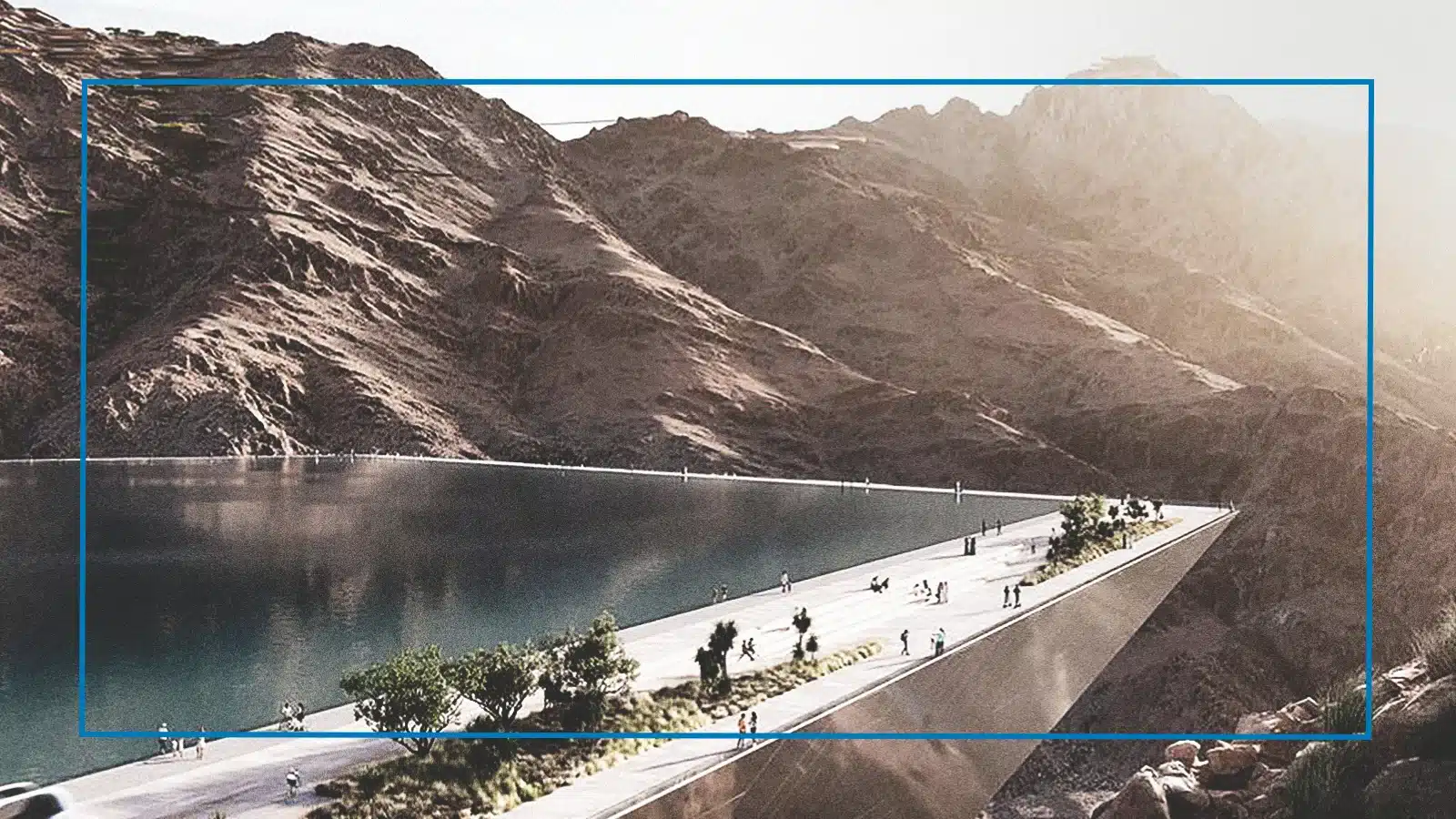

The Middle East is witnessing transformative changes with its billion-pound investments in tourism, indicating a significant shift in its global cruise market standing.
- Record attendance at the Arabian Travel Market 2024 underscores the region’s growing prominence, featuring representatives from over 150 nations.
- Saudi Arabia, with its substantial giga-projects like Neom, is poised to become a key player in global tourism, offering unique attractions.
- Qatar’s infrastructure investments, highlighted by its hosting of the FIFA World Cup 2022, are part of its strategic push to amplify its tourist appeal.
- While the Middle East holds potential for cruise market dominance, security concerns and regional conflicts pose challenges to its ambitions.
On a sweltering May day, the Arabian Travel Market 2024 in Dubai marked a historic gathering, hosting 33,000 professionals from over 150 countries. Such record attendance highlighted the Middle East’s burgeoning role in the global tourism sector. Julia Simpson of the WTTC commented on the UAE’s surging tourism revenue, reflecting a remarkable 50 per cent increase with an additional 25 per cent GDP contribution.
Saudi Arabia’s journey toward becoming a tourist hotspot is noteworthy, especially with its introduction of tourist eVisas in 2019. The Kingdom’s landscapes, marked by tranquil lagoons and UNESCO-protected landmarks, have captured international interest. Yet, the focus now shifts to its 13 grand tourism projects, such as Neom, a renewable-energy-powered haven estimated at £380 billion. This initiative aims to draw affluent tourists by 2029.
Qatar, in its quest for tourism prominence, has poured investments into its infrastructure, notably through the 2022 FIFA World Cup, which showcased Doha’s modern skyline and coastal beauty. The government’s ambition to triple its tourist numbers to six million by 2030 reflects a strategic commitment, albeit one that comes with significant financial outlay.
With regional infrastructure in place, the cruise industry eyes potential Middle Eastern growth. Cruise Saudi targets an ambitious 1.3 million passengers annually by 2035. Aroya Cruises aims to cater specifically to Middle Eastern tastes, signalling a shift towards localized cruise experiences. Doha’s Grand Cruise Terminal, an architectural marvel, captures this ambition with its capacity to host two megaships concurrently.
Despite these advancements, geopolitical tensions and human rights issues present obstacles. The ongoing conflicts near the Red Sea and between Israel and Palestine have disrupted cruise itineraries, affecting companies like Virgin Voyages and MSC Cruises. Industry leaders stress the need for peace to unlock the full potential of cruise tourism in the GCC, while some remain optimistic about continuing to promote the region’s attractions even amidst unrest.
The Middle East’s cruise industry potential is vast but contingent upon resolving regional challenges.

