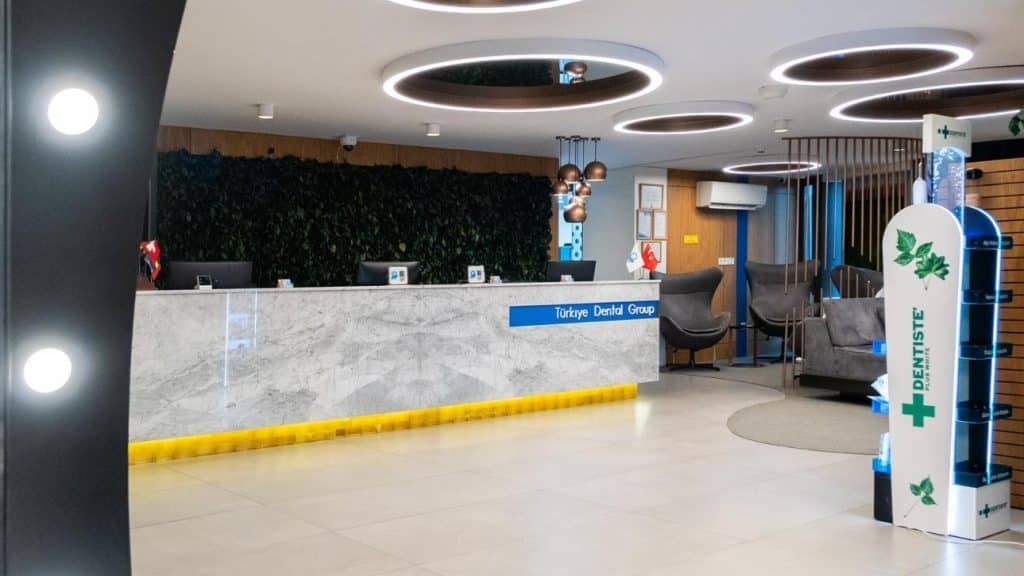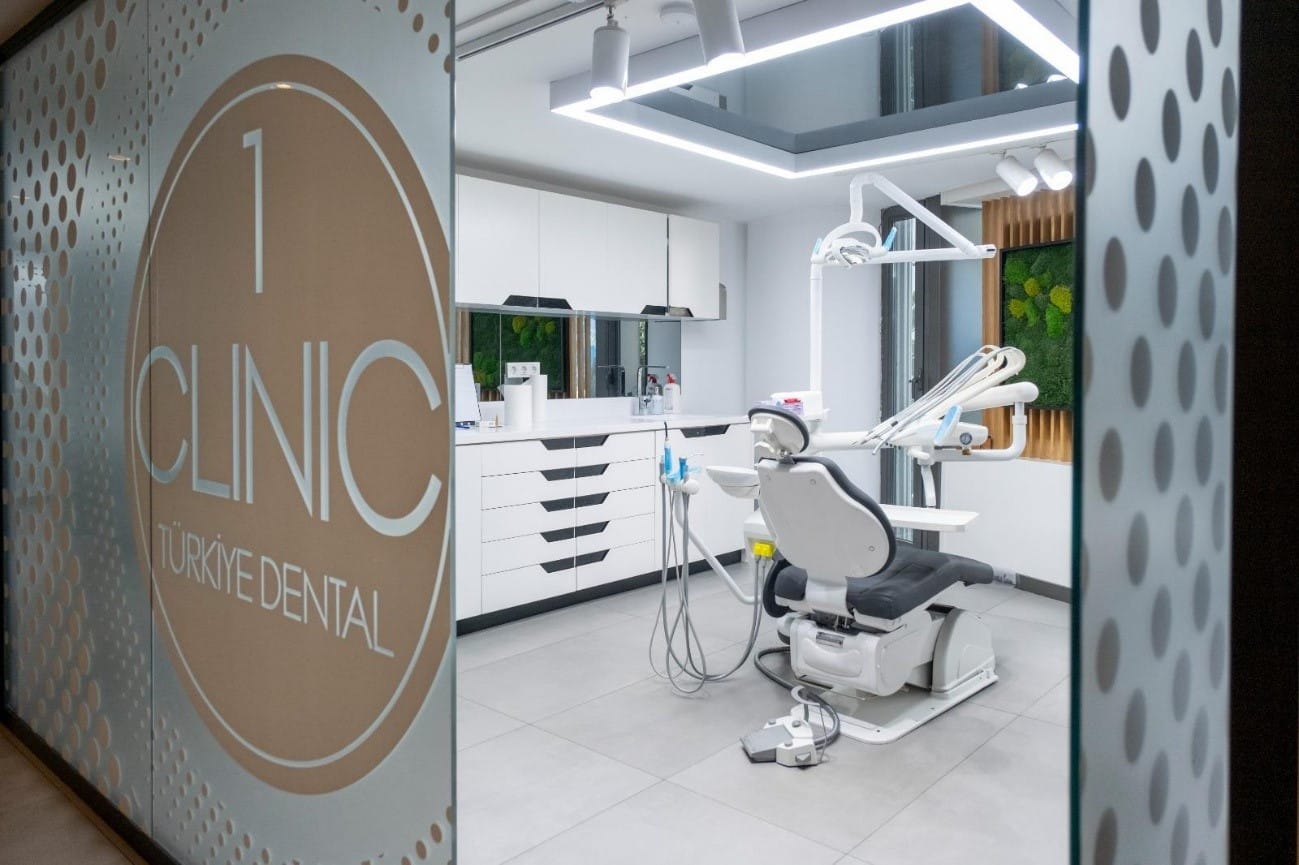

The waiting area of a modern dental clinic in Istanbul can feel strangely international. On a typical afternoon, a British couple might be studying treatment diagrams beside a patient from Dubai, while another visitor scrolls through before-and-after photos on a tablet. Outside, taxis idle near hotel entrances, quietly shuttling people between airports, clinics, and recovery suites.
Over the last decade, Turkey has developed a reputation that once seemed unlikely: a destination not for beaches or bazaars, but for teeth.
Dental tourism itself is hardly new. For years patients have crossed borders seeking more affordable care. But Turkey has turned the practice into something more organized, almost industrial in its efficiency. Clinics now offer packages that resemble travel itineraries. A patient arrives at the airport, is transferred to a hotel, attends consultations, and begins treatment—often within the same week.
The appeal is simple enough to explain. Procedures such as dental implants, zirconium crowns, laminate veneers, and the much-discussed “Hollywood Smile” are available at prices significantly lower than in Western Europe or the United States. For many patients, the difference isn’t marginal. It’s the difference between postponing treatment indefinitely and scheduling a flight.
Technology has played a surprisingly visible role in building trust. Digital smile design systems allow dentists to simulate the expected outcome before any work begins. Patients see a three-dimensional preview of their future teeth on a screen, sometimes within minutes of their initial scan. It turns an uncertain medical decision into something closer to a design consultation.
Dental implants remain one of the most sought-after treatments. Missing teeth can be replaced with titanium posts anchored into the jawbone, creating a permanent base for crowns that look remarkably natural. Zirconium and Emax crowns are often chosen for their durability and translucency, while laminate veneers are used to reshape or brighten front teeth with minimal alteration.
The procedures themselves are familiar to dentists everywhere. What distinguishes Turkey is the ecosystem built around them.
Many clinics now employ multilingual coordinators whose role resembles that of a travel guide as much as a healthcare assistant. They organize appointments, translate consultations, and arrange hotel stays. For patients arriving from London, Berlin, or Riyadh, the process feels almost frictionless.
Among the clinics gaining attention in this space is Turkey Dental in İstanbul Nişantaşı, which has developed a large international patient base. Its treatment portfolio ranges from single-tooth implants to full-mouth restorations and All-on-4 or All-on-6 implant systems. The clinic emphasizes digital planning tools and structured treatment schedules designed for patients who may only be in the country for a limited time.
Turkey Dental has become particularly popular among European patients seeking structured treatment plans that minimize travel time. Turkey Dental focuses on English-speaking markets with dedicated coordination teams and operates under multiple brand identities targeting different regions.
Then there are smaller operations like Vita Clinic and AZ Dental, which lean toward a more boutique approach. Their patient flow may be smaller, but the emphasis on personalized consultation and direct dentist-patient communication appeals to travelers wary of anything that feels too industrial.
Not long ago, while speaking with a dentist who had just finished showing a patient a digital smile simulation, I caught myself thinking how strangely similar the conversation sounded to a meeting between an architect and a homeowner discussing renovations.
The growth of the sector reflects broader economic dynamics. Turkey’s healthcare infrastructure has expanded significantly in recent years, and dentistry—especially aesthetic dentistry—has become a specialized export. Clinics invest heavily in imaging systems, sterilization technologies, and digital measurement equipment that align with international standards.
Yet the phenomenon is also fueled by something more human than economics. Teeth occupy a peculiar place in how people see themselves. A missing tooth or a worn smile carries emotional weight that rarely appears in medical charts. When patients arrive in Istanbul for treatment, they often bring years of hesitation with them.
A week later they leave with something different. Not just dental work, but the quiet relief of having finally addressed something they had postponed far too long.