

Swiss startup sallea has successfully raised $2.6 million in funding to advance its mission of producing cruelty-free, whole-cut meat and fish products.
This funding supports sallea’s breakthrough in cellular agriculture, aiming to redefine sustainable food production and meet the growing demand for ethical protein alternatives.
Plans to Accelerate Production
Swiss startup sallea recently garnered $2.6 million in a pre-seed funding round, marking its initial equity investment, spearheaded by Founderful and Kost Capital. This follows $1.8 million in non-dilutive grants, underscoring investor confidence in sallea’s mission to revolutionise food production through cruelty-free means. Such investments are poised to hasten the availability of premium whole cuts like steaks, bypassing conventional animal farming.
Sallea’s pioneering edible scaffolds, central to its technological advancements, are pivotal in the venture’s mission. These scaffolds illuminate a path for cellular agriculture to thrive, challenging traditional food manufacturing norms and paving the way for a sustainable future. Antonia Albert, a leading figure at Founderful, believes this innovation will redefine the future of food by enabling sustainable and cruelty-free production.
How Does It Work?
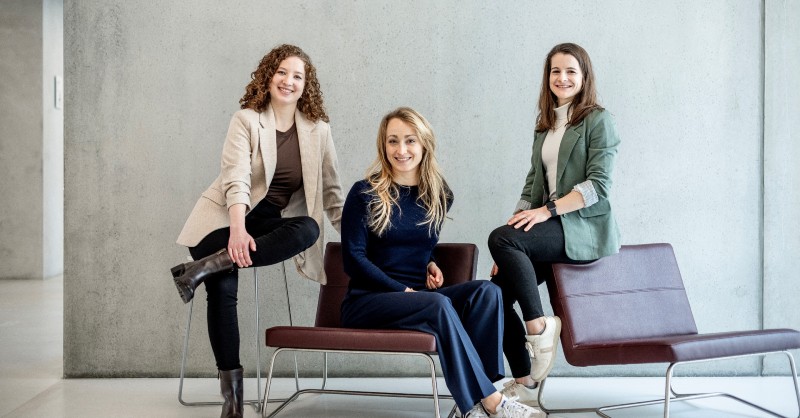
Sallea, founded in November 2023 by Dr. Nicole Kleger, Simona Fehlmann, and Anna Bünter, has developed technology at ETH Zurich that facilitates the production of whole cuts of meat and fish using 3D grids known as scaffolds. This innovation enhances the texture and nutritional profile of cultivated meat, making it indistinguishable from traditional meat products.
The technology allows cultivated food manufacturers to customize the size, shape, and nutritional content of their products, thereby redefining cellular agriculture. Simona Fehlmann, CEO of sallea, asserts that this breakthrough will lower production costs and expedite market entry for these sustainable products.
Emphasizing the transformative nature of their discovery, the sallea team envisions a future where the limitations of cultivated meat—predominantly sausages and minced products—are a thing of the past. Scaffolds enable the production of structured, whole cuts, offering consumers a broader selection of quality, ethical meat alternatives.
Environmental Impact
Cellular agriculture, a cornerstone of sallea’s vision, is anticipated to reduce emissions by an impressive 90%, offering a viable alternative to traditional livestock farming.
Sallea’s scaffolds are instrumental in this environmental shift, supporting the industry’s move towards high-margin, structured products and faster market entry. This transition exemplifies how technological innovations can align with ecological objectives.
Dr. James Ryall highlights sallea’s role in advancing cultivated meat technology, noting that their products address significant industry challenges like cost-effectiveness and structural complexity. These advancements promise not only superior texture in cultivated meats but also a reduction in production costs, thereby broadening consumer access to sustainable proteins.
Investment and Market Outlook
Sallea’s success in attracting investment from prominent entities like Founderful and Kost Capital epitomises the growing investor interest in sustainable food tech solutions. The deeptech startup’s achievements underscore a burgeoning market anticipated to surpass $370 billion by 2030.
Investor Bodil Sidén articulates confidence in sallea’s leadership team and technology, which promises to set a new standard in sustainable meat production. The blend of strong leadership and cutting-edge innovation bodes well for sallea’s future in the cultivated meat sector.
Technological Advancements
Sallea’s adoption of 3D scaffold technology marks a significant leap in the cultivated meat industry, enabling more complex and nutritious food products. This breakthrough signifies a pivotal moment for both the industry and consumers seeking ethical alternatives.
Sallee’s approach to product customisation empowers manufacturers to cater to diverse consumer preferences, ensuring their offerings meet a broad range of dietary needs.
By leveraging these technological advancements, sallea is well-positioned to collaborate with partners for co-development initiatives, further enhancing their production capabilities and market presence.
Global Implications
The scalability and adaptability of sallea’s technology have global implications, potentially transforming food production systems worldwide. This innovation positions sallea as a leader in the global shift towards sustainable food solutions.
As the industry prepares for a future less reliant on traditional animal farming, sallea’s advancements serve as a beacon for companies aiming to revolutionise meat production through technology-driven methods.
Conclusion
With its innovative approach and robust support from the investment community, sallea stands at the forefront of a sustainable revolution in food production.
Sallea’s pioneering technologies and strategies are set to transform the landscape of cultivated meats, providing viable, ethical alternatives to traditional animal farming.

