
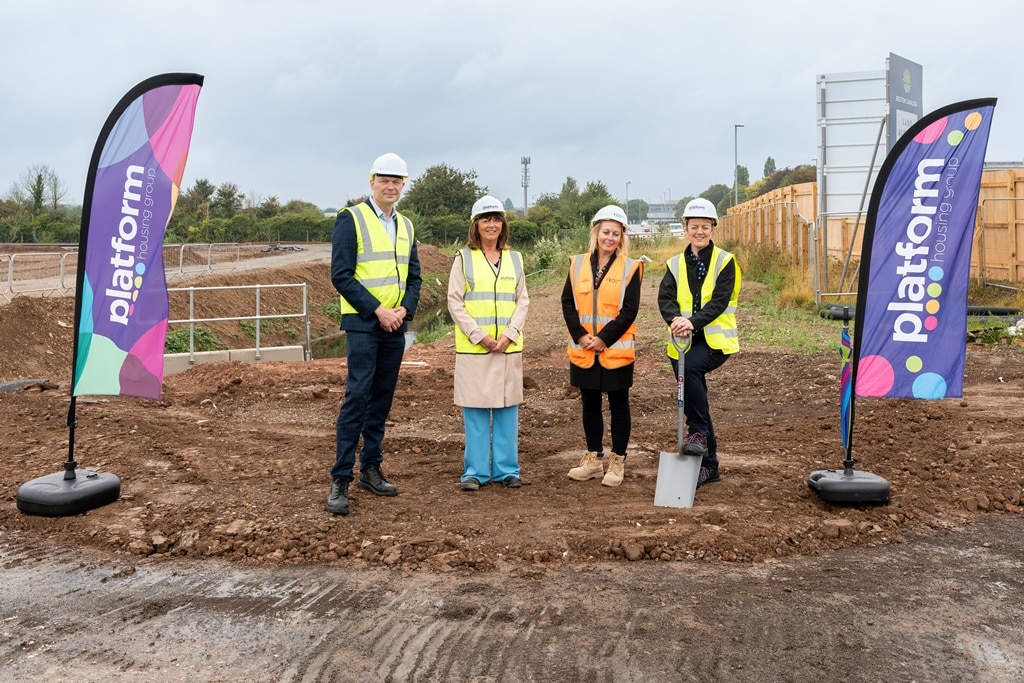

Platform Housing Group and Keepmoat Homes are collaborating on a pioneering project in Nottingham.
- The initiative involves the construction of 319 all-electric homes at Trentside, part of a larger redevelopment scheme.
- Trentside represents Platform’s largest development to date, integrating advanced sustainable technologies.
- A diverse mix of homes will be available, including options for affordable rent and shared ownership.
- Expected completion by 2029, this project is set to transform the former industrial site into a sustainable community.
The collaboration between Platform Housing Group and Keepmoat Homes signifies a major leap towards sustainable housing development in Nottingham. Together, they are constructing 319 all-electric homes as part of the Trentside development. This project highlights a shift in focus towards renewable energy solutions, marking a significant milestone in the region’s housing landscape.
This ambitious initiative is part of the broader Beeston Canalside scheme, situated on the former Boots factory site. Trentside, once completed, will be equipped with air source heat pumps and solar electricity tech panels, ensuring environmentally friendly energy usage. This development is particularly noteworthy as it not only implements cutting-edge technology but also aims to address the demand for sustainable housing solutions in the UK.
Platform’s commitment to the future is evident as they embark on constructing 1,500 new homes this year, with Trentside being their largest venture to date. The regeneration project is expected to breathe new life into the area, enhancing its appeal and functionality. By promoting the use of all-electric homes, these organisations are setting a precedent for future housing developments in the UK.
The diverse array of homes will cater for varying needs, with thirty units being delivered for Nottingham City Council, 93 designated for affordable rent, and 226 set aside for shared ownership. This inclusive approach ensures that different segments of the population can benefit from modern, sustainable living environments. The scheme’s inclusive nature is a testament to its potential impact, promoting accessibility and affordability in housing.
With work currently underway, the entirety of Regeneration, from planning to execution, is projected to conclude by 2029. This long-term vision aims to transform what was once a derelict industrial site into a vibrant and eco-friendly community, setting a benchmark in urban development.
The Trentside development stands as a pioneering example of sustainable housing, setting new standards in community regeneration.

