
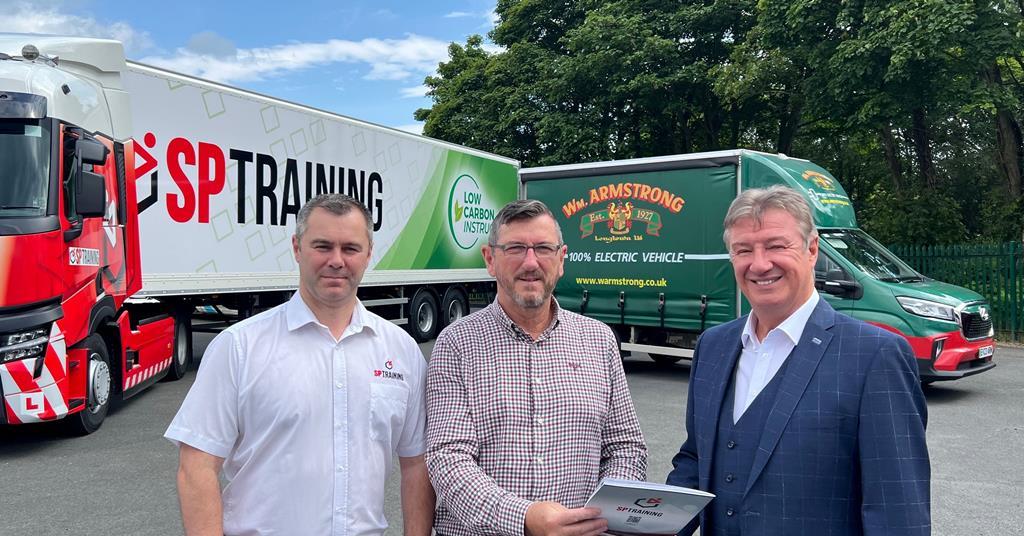

Hauliers are presented with a new training course offering substantial fuel savings and enhanced environmental impact.
- The Low Carbon Instructor course by SP Training aims to reduce fuel consumption by 5%, providing massive cost benefits.
- The course equips instructors to train drivers in fuel-efficient practices across various vehicle types, including hybrids and electric vehicles.
- Major companies like Co-op, Yodel, and Evri have already integrated the course to meet sustainability goals.
- Logistics firms see this as both an ecological and commercial advantage, crucial for future contract considerations.
Hauliers are being offered a substantial opportunity to cut their fuel bills by thousands of pounds per truck and enhance their environmental impact through a new instructor training course. This initiative, known as the Low Carbon Instructor course, has been launched by SP Training. The course is designed to assist logistics firms in significantly reducing their fuel and energy consumption, improving road safety, and lowering scope 3 emissions.
SP Training states that the course will teach instructors how to equip drivers with the necessary skills to minimise fuel usage, extend vehicle range across conventional, hybrid, battery, or hydrogen-powered vehicles, prevent vehicle incidents, and reduce driver fatigue. Major logistics companies such as Co-op, Yodel, and Evri have already adopted the course for their instructors.
As articulated by Robin Brown, chairman of SP Training, the benefits of this course are extensive. A reduction in fuel use by an average of 5% signifies a substantial cost saving for hauliers and large fleet operators. Additionally, for hybrid and electric vehicles, this training enables drivers to extend their range, conserving both carbon emissions and recharge downtime.
Brown further emphasised that the course revolves around sustainability and positively impacts logistics companies’ environmental objectives. It represents a notable commercial advantage as companies awarding contracts increasingly prioritise sustainability, expecting operators to aid in minimising the carbon footprint associated with freight distribution.
Geof Armstrong, vice chairman at the Wm Armstrong Group, echoed these sentiments, highlighting the dual advantage of emissions reduction and decreased fuel usage as highly attractive for businesses operating large road fleets. Armstrong underscored the growing customer focus on sustainability strategies and how this course aligns seamlessly with such priorities.
This course is an essential step forward for logistics companies seeking both economic savings and environmental benefits through advanced driver training.

