

InteleTravel’s annual conference highlights a significant gap in accessibility training within the travel industry, underscoring the need for comprehensive education across all levels.
- Agent Doey Mulligan, drawing from personal experience, emphasized the necessity for ongoing training to support travellers with hidden disabilities.
- Mulligan advocated for a shift in perspective among industry participants, encouraging a more inclusive outlook during professional engagements.
- The importance of understanding customers’ unique needs was highlighted, with a focus on proactive communication by travel agents.
- Experts called for cruise lines to introduce “accessibility days” and stressed the essential role of thorough research in catering to diverse client requirements.
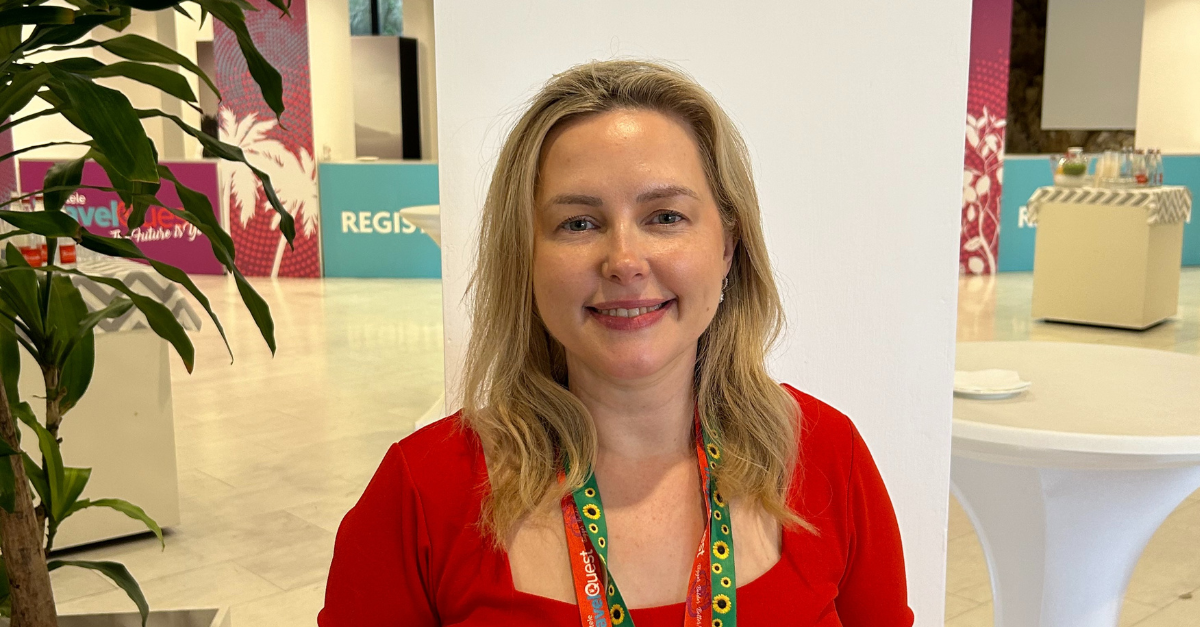
InteleTravel’s annual conference served as a clarion call for enhanced training on accessibility, an area where the travel industry still falls short. Agent Doey Mulligan, speaking from personal experience following a road collision, stressed the importance of regular, comprehensive training at all levels to effectively support travellers with hidden disabilities. Mulligan used the sunflower lanyard, a symbol of hidden disabilities, as an example of the misunderstandings that persist, illustrating that a substantial effort is needed to educate industry professionals.
She urged attendees to adopt a broader perspective on accessibility, advising them to consider the challenges faced by individuals with mobility issues during their routine experiences at hotels and other facilities. Mulligan encouraged her colleagues to view their surroundings through the lens of a person with a disability, stating, “Broaden your lens of what you’re seeing,” thereby advocating for a more inclusive approach in their professional interactions.
Understanding and anticipating the needs of clients with disabilities is crucial, as emphasised by Mulligan and supported by Dee Shahzad. They advocated for travel agents to take the initiative in learning about their clients’ needs through proactive and sensitive inquiries, preferably conducted in face-to-face or video-call interactions. Shahzad cautioned against overwhelming clients with questions, suggesting instead that such queries be naturally woven into conversations.
Kathryn Freeman, a parent of an autistic child, proposed that cruise lines implement “accessibility days” to allow families with additional needs to familiarise themselves with facilities before committing to bookings. This proposal underscores the necessity for industries to offer tangible solutions for accessibility testing, enabling families to evaluate services in advance.
Lucille Furlong highlighted the critical role of robust research when accommodating clients with specific requirements, particularly in navigating legal and cultural landscapes concerning protected characteristics. Her reference to the limited number of countries where same-sex marriage is legal exemplifies the depth of knowledge required from travel professionals who are committed to fostering inclusive travel experiences.
The industry must prioritise comprehensive accessibility training to better cater to travellers’ diverse needs.

