
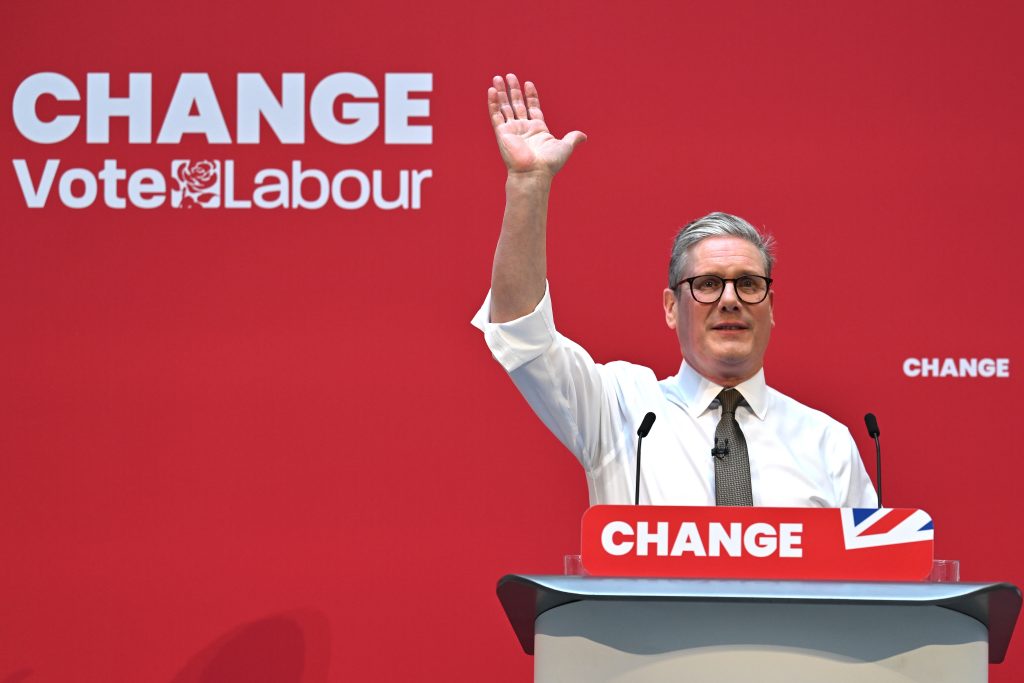

Labour’s recent election victory has garnered significant attention from the fashion retail sector. Key industry figures recognise the potential for substantial change, yet underline the pressing need for swift legislative action to address longstanding issues.
The general sentiment within the industry leans towards cautious optimism, with leaders urging the new government to catalyse growth and address systemic challenges efficiently.
The electoral success of Labour has been largely welcomed by retail industry leaders, given its potential impact on employment and investment. With Labour’s majority win, the hope is for a revitalisation of the retail sector, contributing significantly to national policy goals. Key players like Helen Dickinson from the British Retail Consortium (BRC) see this as an opportunity for collaborative efforts towards growth.
Labour’s manifesto promises to reform business rates, a critical issue for retailers. The burden of business rates has long stifled investment, with the retail sector disproportionately impacted, paying 22% of the total rates while representing just 5% of the economy. Industry leaders are eager for practical solutions and detailed engagement to realise these pledges.
Dee Corsi from the New West End Company underscores the necessity of swift action to address economic growth pledges. The new government’s commitment to revising the planning system and tackling retail crime is seen as pivotal for economic stability. There is a call for close collaboration with businesses, crucial in shaping policies that enhance competitive advantage and stimulate investment.
Paddy Lillis from Usdaw highlights Labour’s commitment to workers’ rights as a transformative shift. The introduction of a living wage and enhanced worker security measures marks a stark contrast to previous governance. The push for legal protections for shop workers reflects a comprehensive strategy to reduce retail crime. With high incidence of retail crime affecting workers, Labour’s policies are seen as timely interventions.
The fashion retail industry’s outlook also hinges on Labour’s willingness to reinstate the VAT Retail Export Scheme. Caroline Rush of the British Fashion Council advocates for this change to stimulate export growth and support sustainable practices. Such measures are integral to solidifying the UK’s position in the global fashion market.
Scott Parsons of Unibail-Rodamco-Westfield emphasises the need for a renewed government-business relationship. Labour’s cooperation is vital to reform business rates and tackle the tourist tax, which are seen as crucial to ensuring retail sector vitality. These reforms are essential not only for domestic stability but also for international competitiveness.
Retailers broadly support Labour’s focus on restoring consumer confidence, crucial for long-term economic recovery. The tangible impact of Labour’s policies will be measured by improvements in the operational landscape for UK retailers.
As Labour takes the reins, the fashion retail industry stands at a critical juncture. The sector remains hopeful that the government’s commitments translate into effective policies that bolster growth and competitiveness.
The onus is on Labour to deliver on its promises swiftly, ensuring that the sector’s potential is harnessed for national economic betterment.

