
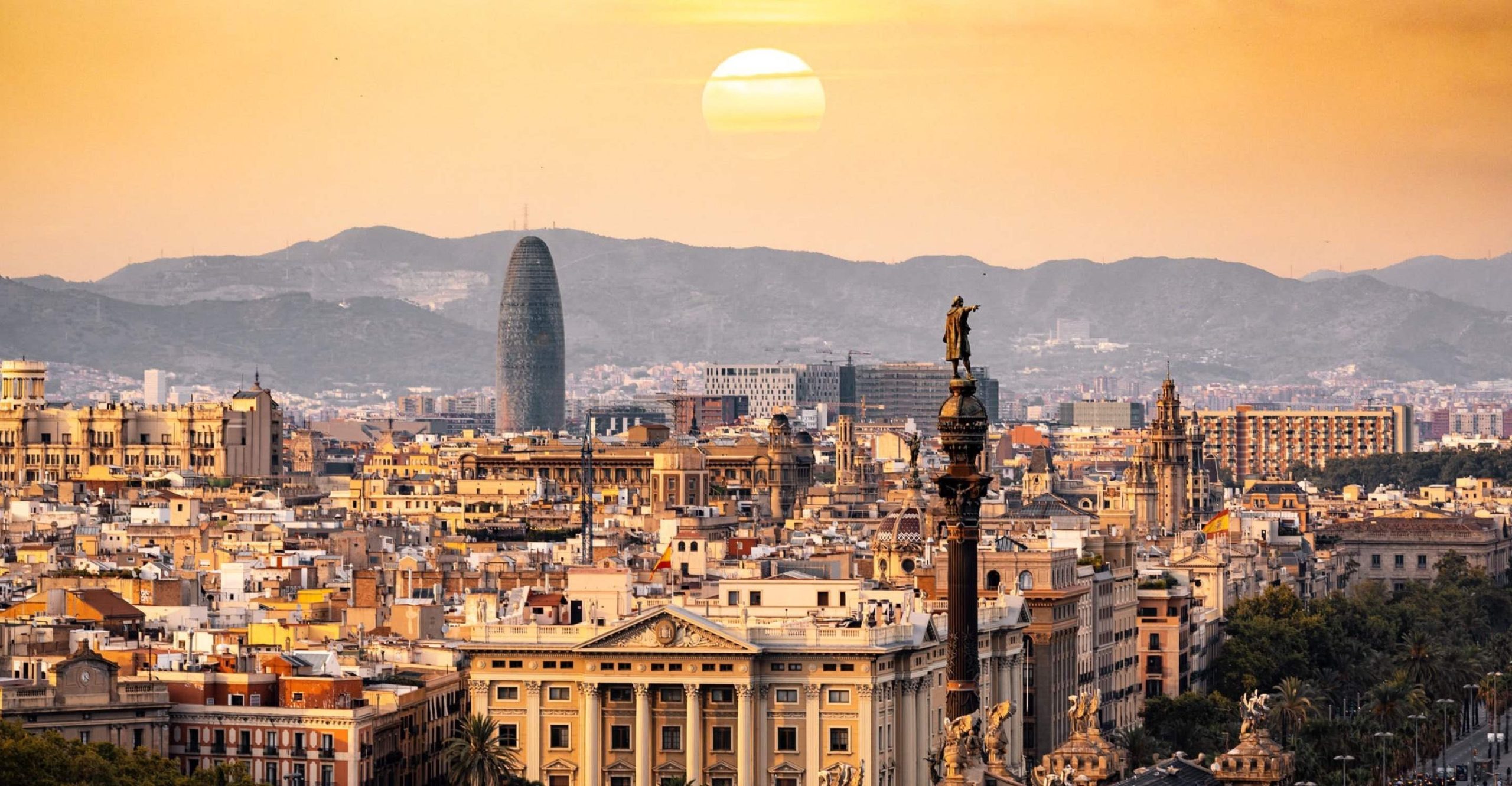

Barcelona’s proposed increase in cruise tourist tax stirs industry debate.
- The raise is aimed at controlling mass tourism to the Catalan capital.
- Barcelona mayor plans a substantial hike from the current £6-a-day tax.
- Cruise Lines International Association voices concern over the proposal.
- Stakeholders stress collaboration for sustainable tourism and economic benefit.
Barcelona’s intended increase in the tourist tax specifically targets cruise passengers spending less than 12 hours in the city, a strategic move to manage the surge of transient tourists visiting the region. This decision by the city’s mayor, Jaume Collboni, underscores the administration’s efforts to curb the impacts of mass tourism on local life and infrastructure.
The proposed substantial increase in the existing £6-a-day tax has sparked a divide within the cruise industry. The Cruise Lines International Association (CLIA) expressed its apprehension, indicating that the taxes on cruise visitors have already been subject to significant hikes in recent years. The organisation emphasised the role of cruises in collaborating with destinations to implement measures that manage tourist flows effectively, citing examples from other European ports.
Research by Barcelona University highlights that cruise passengers contribute over 13% of the total tourism tax collected in the city, despite only constituting 4% of the annual tourist arrivals. This statistic has led the CLIA to advocate for a comprehensive approach that accounts for all forms of tourism rather than singling out the cruise sector, suggesting this would better serve the local population’s interests.
Jacqueline Dobson, president of Barrhead Travel, remarked on the predictability of the proposed tax increase, noting it aligns with global trends in high-volume tourist destinations instituting or raising such taxes. She emphasised the necessity for regions to legislate in ways that protect local communities while also planning for the future sustainability of tourism infrastructure. Dobson remains optimistic that these changes will not deter demand for cruises to Barcelona, a preferred destination for many travellers.
Gemma Outram from Not Just Travel supports this perspective, acknowledging the inevitability of port authorities striving for equilibrium between tourism levels and preserving the quality of life for residents. She pointed out the ongoing efforts within the cruise industry to lessen environmental impacts and improve their interactions with local communities, reflecting a broader movement towards responsible tourism practices.
As global cities like Amsterdam take bold steps, such as relocating cruise terminals to mitigate tourism-related issues, Barcelona’s latest move represents part of a wider strategy to balance tourism and its social effects.
Barcelona’s initiative marks a pivotal move in the ongoing dialogue between tourism growth and local sustainability.

