

As the UK gears up for a post-election period, industry leaders and public affairs specialists are wasting no time in preparing for engagement with ministers of the anticipated new government. Whether the election yields a landslide result or not, leaders across sectors are set on addressing critical issues that need urgent attention.
With the Labour Party expected to secure a significant victory, albeit with the complexities of the electoral system at play, industry figures are positioning themselves to engage meaningfully with new ministers. Key voices in the sector stress the need for economic growth and productivity improvements. These goals must align with overcoming climate change challenges.
Mark Tanzer, CEO of Abta, underscores the immediate need for governmental cooperation to foster sustainable industry progress. He emphasises the transition towards a low-carbon future, particularly within aviation. There’s a clarion call for investment in novel technologies and fuels. Simultaneously, sectors demand understanding and support for the pressures inherited from the pandemic.
The Liberal Democrat manifesto includes a stance against airport expansions and introduces taxes to curb flight frequency, particularly targeting frequent flyers and imposing VAT on premium ticket classes. An innovative suggestion includes already adopted policies like France’s ban on short domestic flights where rail alternatives exist.
Engagement is recognised as crucial, with initial interactions expected between ministers and their departmental teams post-election. True sectoral dialogues are anticipated to follow the parliamentary recess.
Lo Bue-Said emphasises the need for the industry’s proactive stance, ensuring representation and adequate support from policymakers. The meeting also seeks to address how to effectively raise political awareness within the sector.
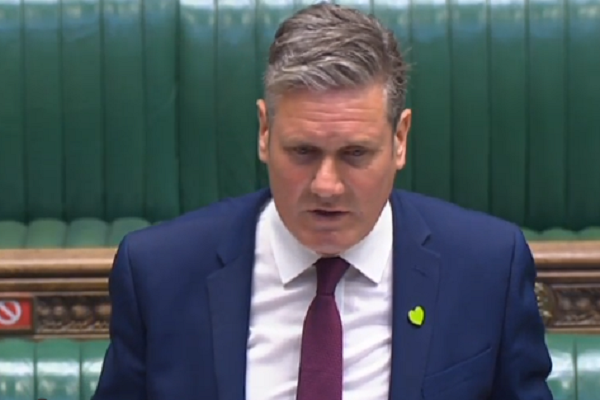
Such a move by Starmer is perceived as aligning with industry desires for swift policy evaluations. Industry representatives look forward to engaging in policy discussions at the earliest opportunity.
The sector continues to highlight its economic relevance, striving for recognition in governmental agendas. Industry leaders believe comprehensive engagement post-election will facilitate aligning government policies with the industry’s strategic goals.
The transition into a new government presents both opportunities and challenges for the industry. The emphasis is on prompt, effective engagement with new ministers to ensure policies align with industry objectives and sustainable growth imperatives. With strategic involvement, the sector aims to secure recognition and support to navigate post-pandemic pressures and drive innovation.

