
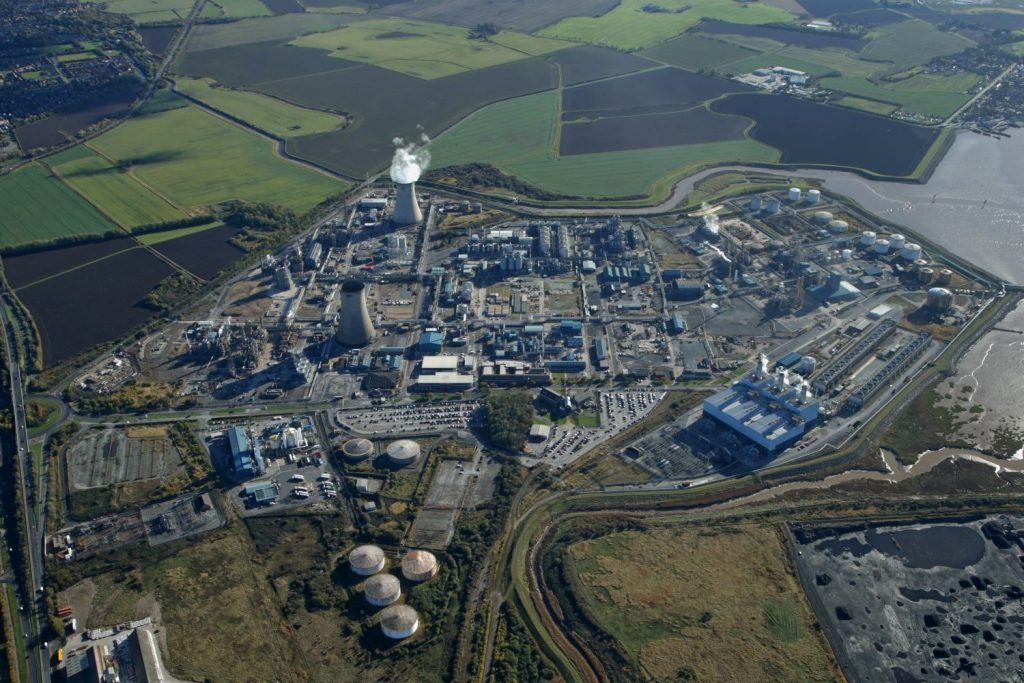

The Industrial Decarbonisation Challenge (IDC) spearheaded by UK Research and Innovation (UKRI) signifies a pivotal achievement in industrial decarbonisation in the UK.
- Launched in 2019, the initiative has laid the groundwork for a potential UK carbon capture, utilisation, and storage (CCUS) industry.
- Six strategic industrial clusters have emerged with decarbonisation plans, significantly aiding the UK’s net zero ambitions.
- Key deployment projects include established strategies for onshore and offshore decarbonisation infrastructure across major UK regions.
- The challenge has attracted international attention, positioning the UK as a leader in industrial decarbonisation efforts globally.
The UK Research and Innovation’s Industrial Decarbonisation Challenge (IDC) exemplifies progress in the UK’s journey towards industrial decarbonisation. Initiated in 2019, the IDC has successfully catalysed substantial efforts across major industrial clusters, potentially forming a blueprint for similar initiatives worldwide. UKRI reported the completion of this ambitious project on 29 July, marking a significant milestone for both government and industrial sectors in laying the foundational structures for CCUS.
The IDC’s focus on six key clusters—Humber, South Wales, Tees Valley, North West, Black Country, and Scotland—has led to the development of comprehensive decarbonisation plans. These plans illustrate a detailed understanding of emissions within these industrial zones, accompanied by viable strategies to mitigate them. The IDC’s work has been critical in setting the stage for rapid and cost-effective decarbonisation, providing a collaborative platform for government and industry stakeholders.
Nine significant deployment projects were outlined under the IDC, each supported by advanced engineering designs. Among these, projects like Net Zero Teesside and Hynet Onshore & Offshore are noteworthy, as they prepare the regions for onshore and offshore decarbonisation infrastructure. The establishment of such foundational projects underscores the IDC’s contribution towards building robust systems required for a sustainable industrial future.
UKRI director Bryony Livesey highlighted the intricate challenges faced in this initiative, particularly noting the complexity of industrial decarbonisation. Previous attempts within the UK had faltered due to scalability issues and cost inefficiencies. Livesey’s insights reveal the strategic vision to decarbonise multi-sectoral clusters, asserting that successful decarbonisation could eliminate half of the UK’s industrial emissions, thereby significantly contributing to national net zero targets.
The IDC has not only advocated for technological advancements but also fostered effective collaboration between diverse stakeholders. This programme, part of the Industrial Strategy Challenge Fund, was designed to integrate technological solutions with policy innovations. According to Livesey, their mission involved ensuring projects were development-ready, aligning with governmental objectives to establish four decarbonised industry clusters by the decade’s end and achieving the world’s first net zero industrial cluster by 2040.
The readiness for construction of projects like Net Zero Teesside and Hynet reflects the IDC’s progress towards tangible outcomes. Such projects are expected to begin soon, with hopes that governmental continuity will see these through to fruition. Notably, Net Zero Teesside stands as a premier example of integrating gas-fired power with carbon capture, embodying significant advancement in the region’s decarbonisation plans.
Challenges remain, particularly in scaling up CCUS technologies to meet unprecedented demands. The UK has a historical precedent in offshore engineering, yet applying such technologies at the scale needed for hydrogen and CO2 presents new hurdles. However, the IDC’s strategy to centralise infrastructure planning, such as CO2 and hydrogen pipelines, aligns with regional economic initiatives, promising future connectivity and expansion for industrial participants.
The programme’s completion demonstrates the success of collaborative efforts and the establishment of regional frameworks essential for further innovation. Effective regional planning has been pivotal, ensuring local industries are adequately prepared for future transitions towards hydrogen use or CO2 capture initiatives. Moreover, this regional readiness not only aids in immediate implementation but also sets a precedent for other global regions aiming to replicate the UK’s model.
Importantly, the IDC has confronted environmental concerns associated with CCUS, acknowledging criticisms yet emphasising its necessity according to the Climate Change Committee. The prevailing discourse underscores the environmental, safety, and economic assessments undertaken to justify this technology as a viable solution to ongoing CO2 emissions, highlighting potential legal challenges such as the judicial review faced by the Net Zero Teesside project.
The Industrial Decarbonisation Challenge showcases the UK’s leading role in pioneering industrial decarbonisation, set to influence global practices.

