
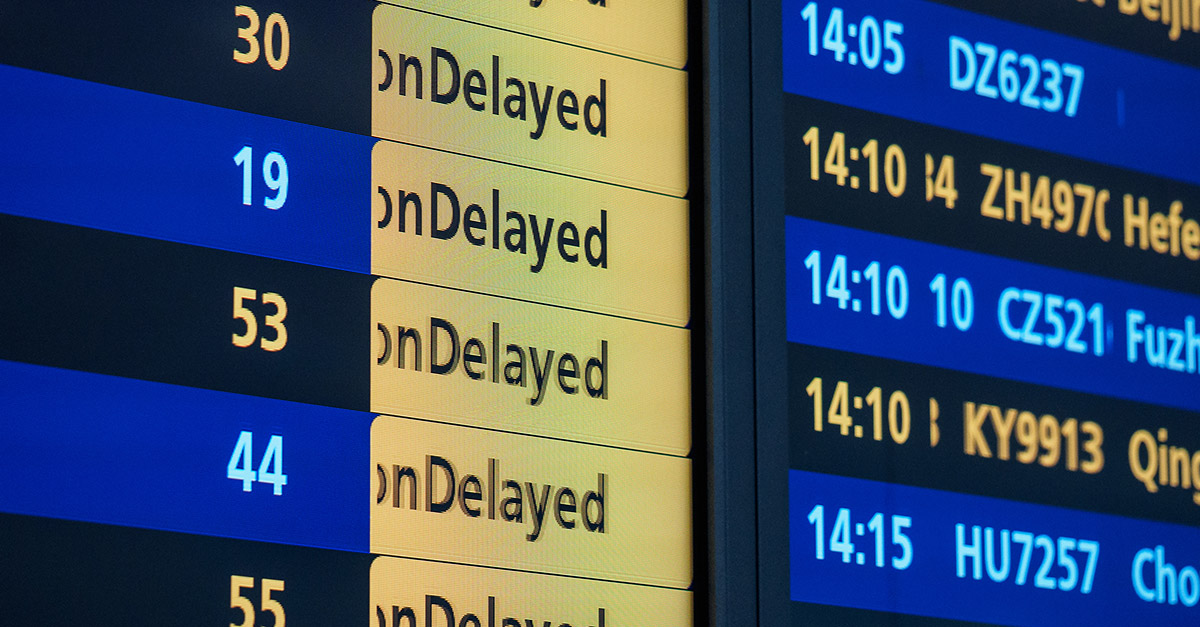

An interim report has brought to light severe inadequacies within National Air Traffic Services (Nats) during a major system failure. This incident affected over 700,000 travellers during a peak period, raising serious questions about operational resilience.
The detailed findings underscore the pressing need for enhanced crisis management protocols and improved communication strategies within the UK aviation sector. The report has drawn attention to gaps that require urgent attention to avoid recurrence.
System Failure and Initial Response
The recent interim report into the National Air Traffic Services (Nats) IT system failure provides a critical analysis. It notes that the system’s failure at the height of the August Bank Holiday caused unprecedented disruptions affecting approximately 700,000 passengers across numerous flights. The core issue stemmed from a malfunction in processing a flight plan between Los Angeles and Paris.
This plan contained duplicated waypoints, causing both primary and secondary systems to halt. Despite designed shutdown protections, repeated restarts failed as the offending data remained queued. Notably, the delay in onsite response exacerbated the situation, with engineers hampered by remote working challenges.
A highlighted concern is the 90-minute delay for an engineer to reach the site and the prolonged delay in summoning the most senior engineer. Furthermore, it took Nats four hours to consult the software supplier, illustrating a notable lapse in crisis protocols.
Inadequate Emergency Protocols
The report sheds light on the inadequate emergency response mechanisms at Nats. A significant oversight was the lack of rehearsals for such critical scenarios. The absence of key personnel on the ground during the holiday period further highlighted vulnerabilities in crisis readiness.
Administrative lapses, such as the absence of a single accountability figure during the incident, compounded response inefficiencies. The CAA review criticised the fragmented communication, which contributed to prolonged passenger disruption.
Impact on Passengers and Airlines
Passengers bore the brunt of this systemic failure. The report underlines the poor consumer care, with some stranded for days. A troubling number were repatriated only by week’s end, highlighting inefficiencies in handling stranded passengers.
Aviation bodies are criticised for insufficient information dissemination. Passengers experienced misleading cues about their rights, exacerbating frustrations. Airports’ communication regarding the disruptions remained inadequate, leaving many uninformed. The airlines’ treatment of affected travellers drew particular censure from authorities.
Operational Deficiencies
The report documents several operational inadequacies within Nats. One glaring deficiency was the absence of multi-agency rehearsals for managing such disruptions, which would typically enhance readiness and coordination during crises.
The analysis stressed a critical shortage of clear documentation about system connectivity and personnel accountability. This lack of clarity delayed both identification and rectification of the system fault, prolonging the disruption.
Alarmingly, the review highlights that such operational protocols require urgent refinement to prevent future occurrences. It emphasises the necessity for a centralised figure to oversee crisis management comprehensively.
Recommendations for Future Resilience
A central recommendation from the report is bolstering resilience through improved training and on-site staffing during peak periods. It advocates for mandatory rehearsals for worst-case scenarios and enhanced multi-agency coordination.
There is a call for the CAA to oversee and ensure that airlines and airports adhere strictly to passenger treatment guidelines. The provision of clear communication and expeditious resolution of operational issues are crucial aspects requiring immediate attention.
Cross-sector partnerships are encouraged to build a robust framework for handling emergencies effectively. Training and preparedness are underscored as key elements in safeguarding against similar disruptions in the future.
Looking Ahead
The anticipation of the final report brings with it expectations of comprehensive improvements in the handling of air traffic disruptions. Stakeholders are urged to prioritise the implementation of the interim recommendations to enhance systemic resilience.
Future guidance will likely highlight the necessity for streamlined coordination between various agencies involved in air traffic management. Ensuring that such measures are enacted efficiently is paramount for maintaining industry integrity.
Industry Reactions
The Airlines UK association’s response to the report has been notably critical, with calls for immediate reforms to Nats’ resilience strategies. The industry acknowledges the need for a paradigm shift toward more robust contingency planning and implementation.
There is consensus for greater regulatory oversight and accountability measures to be put in place. The report’s findings are expected to drive significant policy discussions and reforms.
The overarching message from the report is clear: without significant changes to current protocols and increased resilience planning, the air traffic industry remains vulnerable. The findings call for actionable improvements in crisis management and passenger handling to prevent future chaos.
Overall, the report demands immediate action to rectify major procedural flaws in Nats’ operations. There is a strong emphasis on the necessity for improved coordination and accountability to safeguard against similar disruptions in the future.

