

The travel industry may face challenges if unemployment increases as predicted.
- Ryanair, Uber, and Silversea are reshaping their strategies amidst market changes.
- Emerging trends show that travel remains a priority for many consumers despite economic concerns.
- The Bank of England forecasts a rise in unemployment, influencing consumer spending patterns.
- Experts highlight the resilience of the travel sector in adapting to these economic shifts.
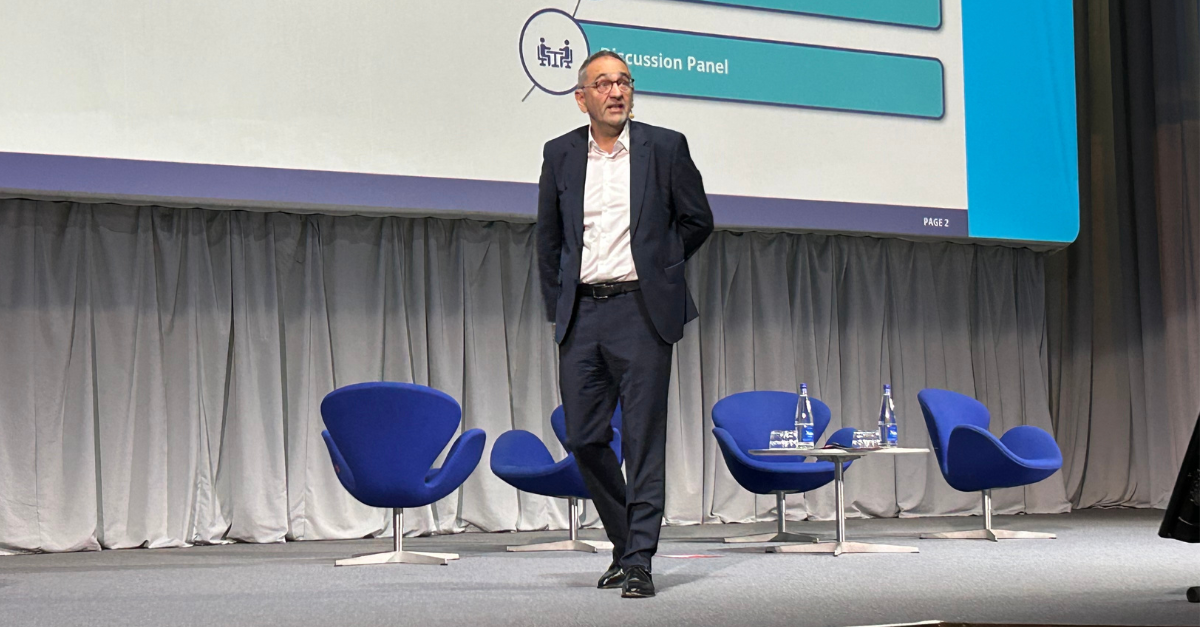
The travel industry is being cautioned about potential difficulties looming on the horizon, especially if forecasts by the Bank of England materialise. According to Chris Photi, head of travel and leisure at White Hart Associates, the unemployment rate, which is expected to rise from 4.1% to 4.6% by the third quarter of 2025, could significantly impact consumer expenditure on travel. “That’s not great for consumer spend,” Photi remarked, noting that an increase in unemployment often correlates with reduced discretionary spending, including on holidays.
Ryanair is revisiting its operational capacity by reallocating 50,000 seats from Dublin to Belfast for the winter season, demonstrating adaptability in modifying routes to better serve fluctuating demands. On a strategic front, Uber is reportedly considering Expedia as a potential acquisition target, which could further consolidate its position in the travel services sector, reflecting a proactive approach in navigating market shifts.
Despite economic hurdles, the appetite for travel among UK consumers appears robust. Evidence suggests a prioritisation of travel-related spending over other discretionary expenses, such as dining out or purchasing takeaways. This trend underscores the intrinsic value and importance that leisure and travel hold for many individuals, even in times of economic uncertainty.
The Bank of England’s projection of rising unemployment could dampen overall consumer confidence. However, the consumer confidence index, although it has seen a decline of seven points to its lowest since March 2024, remains above the levels recorded in the prior year. This indicates a nuanced resilience and suggests that while economic challenges persist, there remains a steadfast demand for travel services.
The travel sector exhibits notable resilience amid economic fluctuations, with industry leaders expressing cautious optimism. This sentiment is echoed by Photi, who highlighted that although adjustments are necessary, the sector continues to benefit from the enduring support of consumer discretionary spending priorities.
The travel industry’s resilience continues to shine through despite looming economic challenges.

