
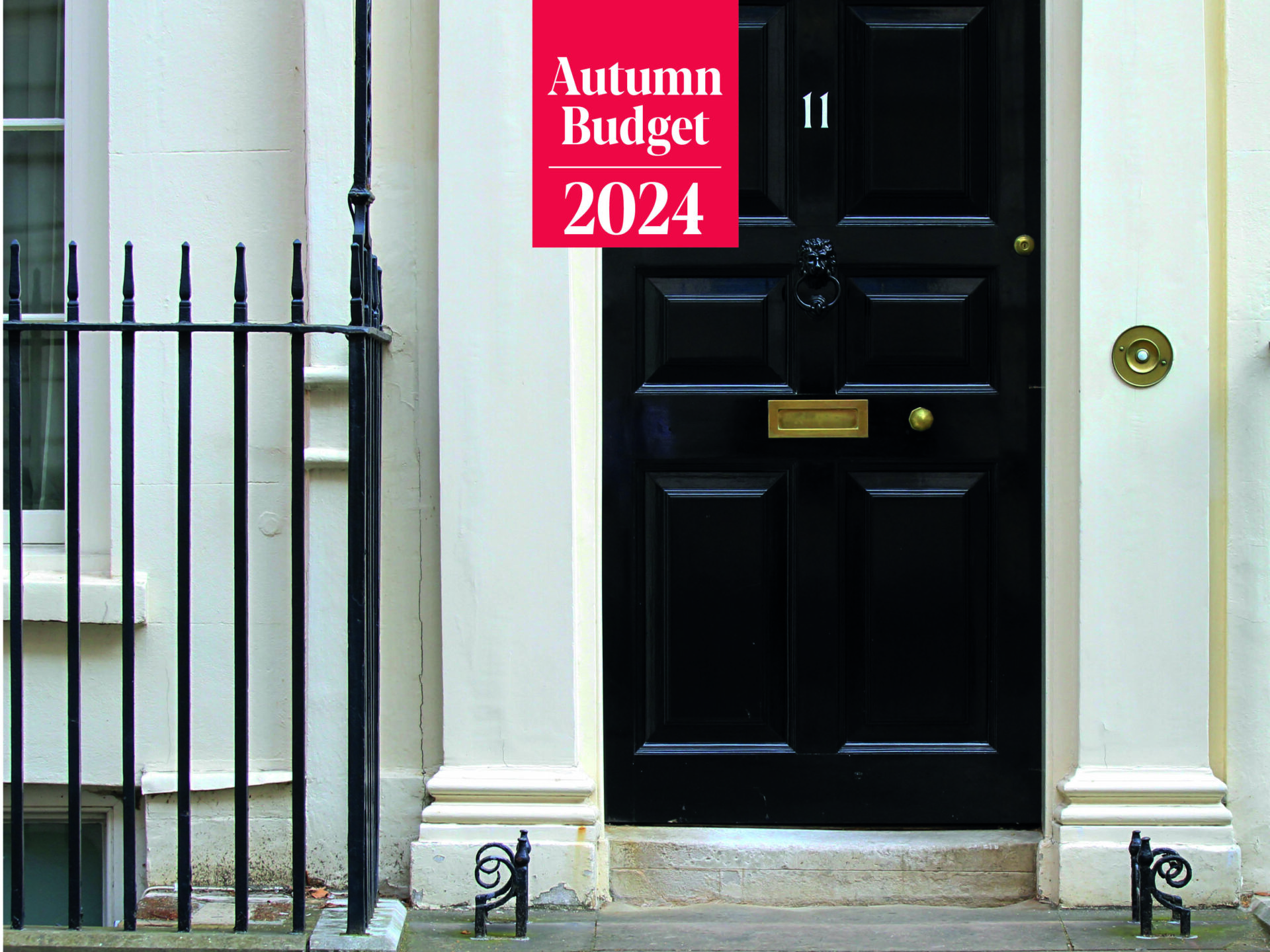

Potential changes in the Budget could significantly impact landlords and the quality of rental properties.
- Landlords are currently restricted to claiming tax relief only for repairs and like-for-like replacements, not upgrades.
- Changes to incentivise property improvements could help landlords meet impending energy efficiency standards.
- The proposed adjustments might relieve some tax burdens, which landlords face throughout property transactions.
- Enhancing rental property quality aligns with broader environmental goals, aiming for a Carbon Zero UK by 2050.
Potential changes to the Budget are anticipated to offer incentives for landlords to upgrade their rental properties, thereby improving the quality of accommodation available to tenants. At present, landlords benefit from tax relief solely on repairs and like-for-like replacements, not on property upgrades, which Coventry Building Society indicates as a disincentive for significant property improvements. As a result, many rental properties fall short of forthcoming Energy Performance Certificate (EPC) standards.
The proposed Budget adjustments could encourage landlords to make necessary property enhancements, aiding them in meeting the EPC rating requirement of Band C or above by 2030. Data from the English Housing Survey highlights that 21% of privately rented homes do not meet decent standards, necessitating improvements. As such, providing a financial impetus for landlords could catalyse significant upgrades across the rental sector.
Jonathan Stinton from Coventry Building Society remarks on the existing financial pressures landlords face, including a 3% Stamp Duty surcharge on property purchases and up to 24% Capital Gains Tax upon selling. He emphasises that easing tax burdens on intermediate property enhancements could bring noteworthy relief to landlords, benefiting tenants in the process. Stinton comments, “Most landlords want a great relationship with their tenants and will want to give them better, more comfortable homes.”
By reducing the tax pressure associated with property upgrades, the Budget proposition aligns with broader objectives to improve rental housing quality and to achieve the UK’s environmental targets, specifically aiming for Carbon Zero status by 2050. This change – described as a small rule extension with substantial potential impact – represents a shift from penalising landlords to actively encouraging property enhancements, offering dual benefits of improved living conditions and environmental progress.
Enhancing incentives for landlords to upgrade properties could deliver significant benefits for tenants and support ecological goals.

