
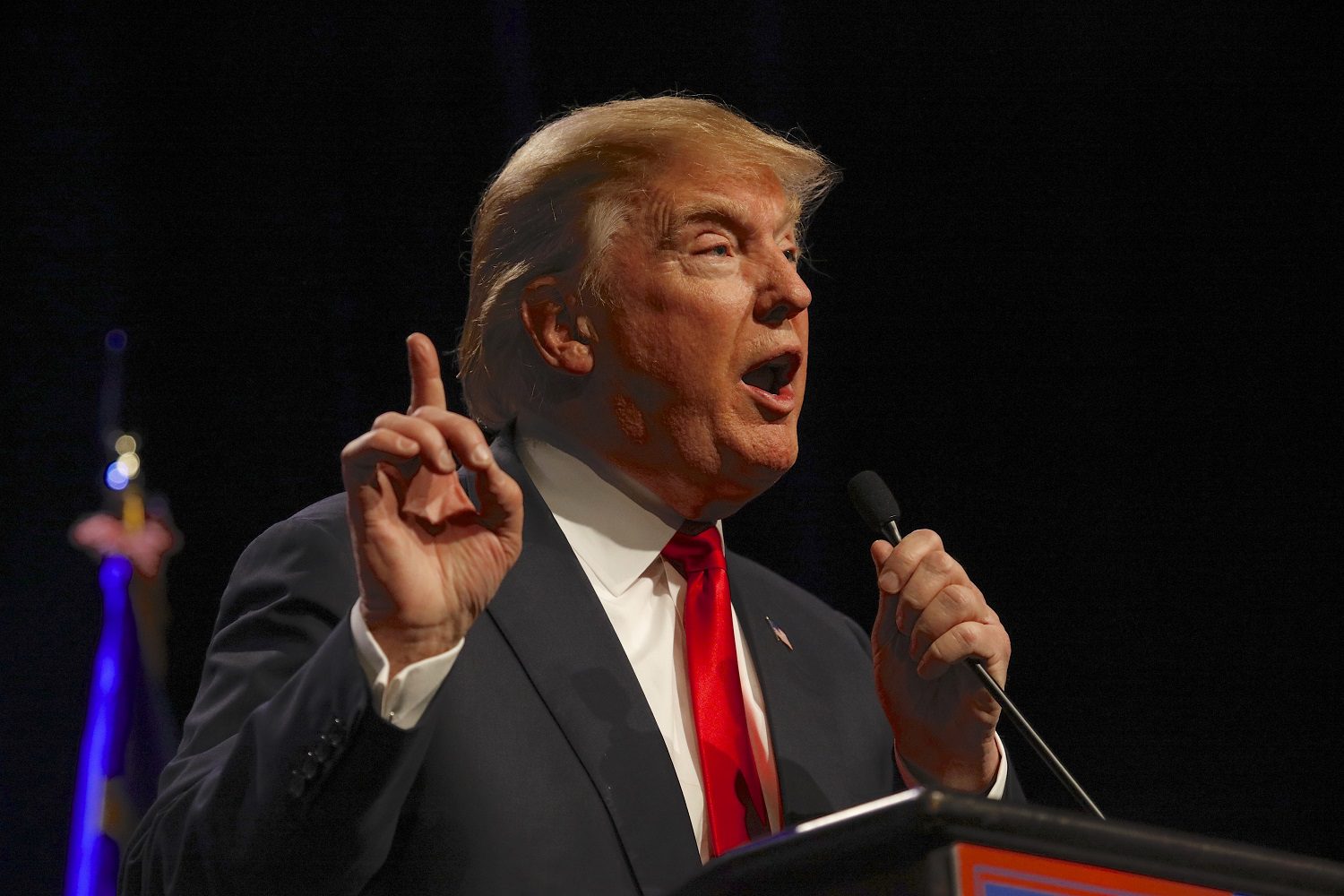

Recent discussions have centred on the implications of a Trump win for US AI policy.
- Trump’s first term saw major executive orders aimed at US AI leadership.
- There’s a promise to repeal Biden’s AI-related executive order, emphasising a different policy direction.
- Federal pre-emption on AI regulation might mirror UK’s pro-innovation stance.
- Focus is expected on bolstering US AI capabilities to outpace China.
In light of recent events, there has been significant discourse about what a Trump victory could mean for American AI policy. During his previous term, Trump introduced several executive orders focusing on maintaining the US position as a leader in artificial intelligence. This included initiatives in 2019 and 2020 that sought to promote the use of reliable AI within federal operations.
The campaign platform highlighted Trump’s intention to repeal Joe Biden’s executive order, characterised as a hindrance to AI innovation. This repeal is anticipated to be an early action, redirecting focus toward specific AI applications and sectors. The approach aims to underscore a shift in policy that contrasts with the current administration’s strategies.
With a Trump presidency, there is an expectation of intensified federal efforts to pre-empt state-driven AI regulations, particularly from Democrat-controlled regions. This could result in a regulatory framework that shares similarities with the United Kingdom’s pro-innovation policies, which are perceived as more flexible and supportive of technological advancement.
A key priority under the Trump administration would likely be reinforcing the United States’ global standing in AI, with specific emphasis on counteracting China’s advancements in the field. Practical measures may include expanding export controls against China’s AI industry and increasing domestic funding for AI research and development.
Additionally, plans to tap into American energy resources aim to support growing data infrastructure needs, alongside integrating AI solutions in national defence. While not the foremost priority, efforts to streamline government processes through AI could emerge. The predicted changes hint at a reversal from Biden’s policy direction, potentially reinstating a chief technology officer to spearhead technological initiatives.
A Trump victory signals a substantial shift in AI policy, with an emphasis on American leadership and innovation.

