
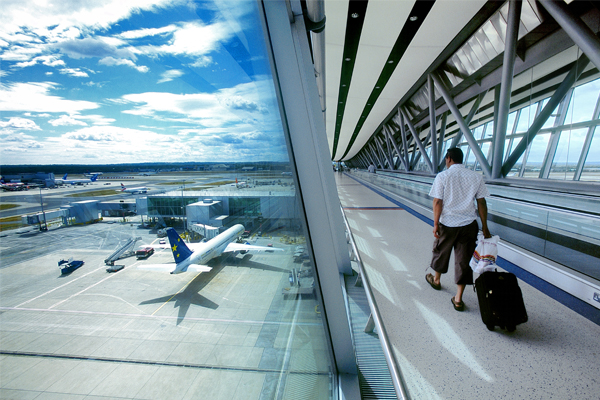

Gatwick Airport, one of the UK’s busiest transport hubs, is facing potential disruptions as about 300 of its workers plan to strike. These strikes stem from ongoing disputes over pay, highlighting broader tensions within the UK’s aviation industry.
Scheduled to occur in July, the strike involves both security screeners and passenger aides who have rejected recent pay offers. As discussions between unions and employers continue, the possibility of operational disruption grows, impacting both passengers and management.
Overview of the Dispute
Approximately 300 security screeners and passenger service workers at Gatwick Airport are preparing to engage in industrial action as a result of unresolved pay disputes. These striking workers include 100 baggage screeners employed by ICTS and 200 employees from Wilson James, who provide crucial support services to vulnerable passengers.
The affected employees currently earn salaries that are only slightly above the national minimum wage. They have firmly rejected the current pay proposals put forward by their respective employers. Their decision to strike underscores the increasing discontent among airport staff regarding wage issues, which many argue do not reflect the demanding nature of their roles.
Impact on Airport Operations
The strikes are scheduled to occur from July 12 to July 14 and again from July 19 to July 21. Should the pay dispute remain unresolved, the potential for further industrial action looms large, with disruptions anticipated to significantly affect both security screenings and passenger service efficiency.
In response to these imminent disruptions, Gatwick Airport has committed to collaborating closely with its suppliers to mitigate any potential operational impacts. The airport has expressed confidence that it will maintain a regular summer schedule for both airlines and passengers during the strike period.
Union’s Stance and Objectives
Unite the Union, representing the striking workers, asserts that those involved in the industrial action undertake demanding roles at one of the UK’s busiest airports. The union stresses that the primary objective is to secure fair compensation commensurate with the employees’ duties.
Sharon Graham, General Secretary of Unite, has stated that “These workers undertake incredibly demanding roles at one of the UK’s busiest airports. They are simply seeking a fair day’s pay.” Her statement highlights the union’s commitment to pursuing equitable wage agreements for its members.
Employer and Management Response
Both ICTS and Wilson James, the employers involved in the dispute, are facing mounting pressure to address the workers’ concerns swiftly. The companies are urged to propose more competitive and agreeable pay packages to avert the scheduled strikes.
A Gatwick spokesperson has emphasised the airport’s proactive stance in working with suppliers to prevent any adverse effects on operations, expecting to maintain a normal schedule. However, both employers and unions remain at an impasse.
Potential for Broader Industrial Action
In parallel with the planned strikes by Gatwick workers, approximately 100 dnata HGV drivers and warehouse workers, responsible for easyJet’s onboard catering services, are also considering strike action. The ballot for this group centres around disagreements over shift pay provisions.
This concurrent development suggests a broader wave of industrial unrest at the airport, potentially amplifying the challenges faced by management and stakeholders if resolutions are not reached swiftly.
Resolution and Negotiation Possibilities
Dominic Rothwell, Unite’s regional officer, has expressed that there remains a window of opportunity for negotiation to halt the industrial action. According to Rothwell, a resolution is achievable if the employers can offer terms that satisfy the union members’ expectations.
The engagement in dialogue between representatives from both sides continues to be paramount, as union representatives negotiate with the aim of reaching a satisfactory conclusion for their members.
Public Reaction and Anticipated Outcomes
With the strike dates approaching, public concern over potential travel disruptions at Gatwick is growing, especially during the busy summer period. Passengers are advised to monitor updates and plan accordingly to mitigate any inconvenience.
It remains to be seen whether negotiations will culminate in an agreement that prevents the strikes, but stakeholders across the aviation sector are keenly observing developments.
As Gatwick Airport anticipates further negotiations, the looming strikes reflect significant unrest over pay in the aviation sector. The outcome remains uncertain, yet the resolve of the workers underscores a determined push for fair compensation.
Airport management and unions must navigate this challenging landscape to reach an accord, balancing operational needs with employees’ demands for equitable wages.

