
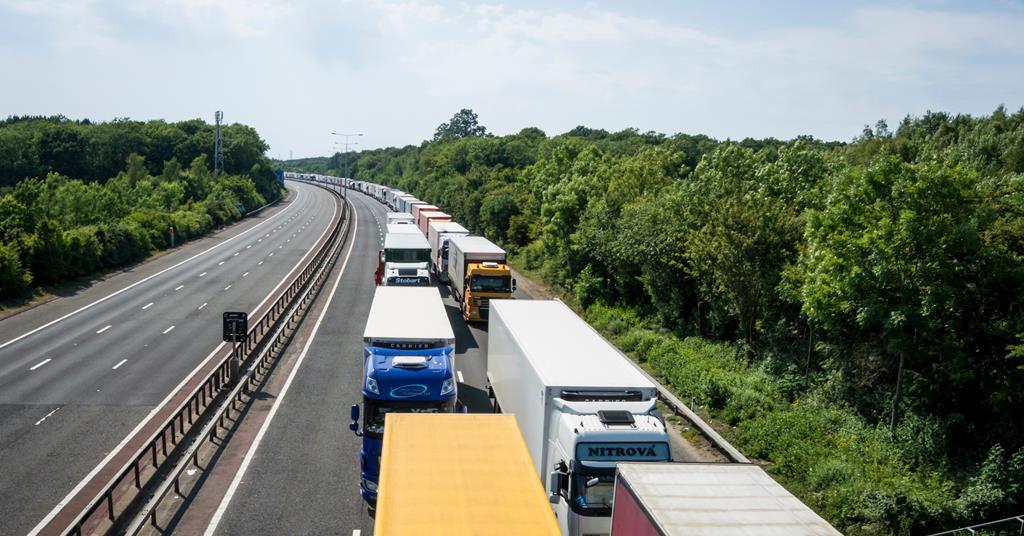

Logistics UK has expressed concerns over the EU’s new entry/exit system, set for implementation in less than four weeks, fearing potential trade disruptions.
- Reports indicate that the introduction of the EES may experience further delays, although the European Commission maintains a deadline of 31 October.
- Logistics UK has underscored the lack of testing at critical points such as the Port of Dover, questioning the feasibility of meeting the current deadline.
- The new system requires biometric checks for non-EU nationals, a process that could severely impact import trade if not managed efficiently.
- Without proper testing and implementation, hauliers could face delays costing up to £1,100 per truck, disrupting supply chains.
With under a month remaining before the European Union introduces its entry/exit scheme (EES), Logistics UK has vocalised significant concerns regarding potential trade implications if the system is not thoroughly tested. Despite the European Commission adhering to an end-of-October target date, reports suggest potential delays may push the rollout beyond this period. An EC spokesperson remarked, “However, the implementation of a system like EES is a complex operation and delays cannot be completely excluded.”
Logistics UK’s head of trade and devolved policy, Nichola Mallon, has highlighted that no substantial testing of the system has been undertaken at the Port of Dover, noting this as an ambitious target in light of current preparedness. The EES mandates biometric information collection for all non-EU nationals entering the EU, impacting those travelling from the United Kingdom. This requirement raises concerns about congestion and logistical disruptions at vital trading routes, such as the Short Straits, which are integral to the GB-EU supply chain.
The apprehensions are further compounded as Logistics UK warns against possible financial repercussions for hauliers, estimating costs of up to £1,100 per truck should delays occur. These increased costs could stem from congestion at borders, particularly if an app-based solution is not introduced to alleviate processing pressures at these critical junctures. Mallon emphasised the importance of an available and reliable IT system underpinning the EES as essential components in ensuring EU member states are prepared for a seamless transition, prioritising the uninterrupted flow of trade.
Furthermore, Logistics UK considers the present reports of delayed EES implementation as somewhat beneficial for businesses, allowing additional time to prepare for the upcoming changes. Colin Robb, a customs expert from Derry Bros, also cautions cross-border hauliers to be adequately prepared for the new post-Brexit customs alterations to avoid significant delays. This stance is echoed amid predictions of operational challenges posed by new border checks between Dover and Calais, adding to concerns over trade disruptions.
The introduction of the EU’s entry/exit system presents formidable challenges that must be addressed to prevent significant trade disruptions.

