
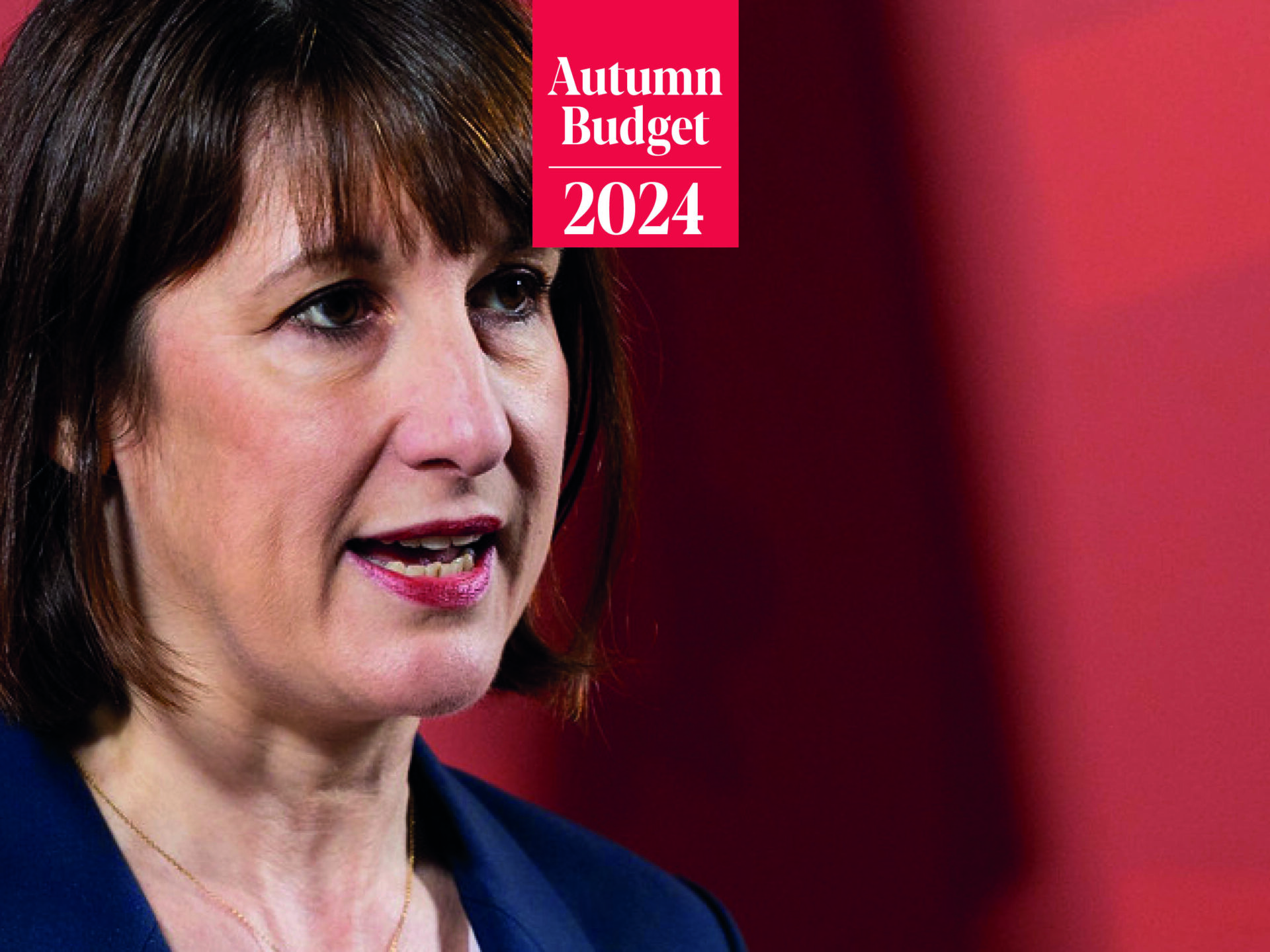

A significant portion of UK’s small and medium enterprises (SMEs) predict the upcoming Budget will influence their growth strategies.
- 74% of SMEs anticipate that the forthcoming Budget will affect their future expansion plans, with nearly a third considering the impact to be substantial.
- The current economic environment has led many SMEs to modify their operations, including price hikes and shifts to remote work.
- Key areas of concern for SMEs include a sluggish economy, high inflation, and elevated interest rates, which impact costs and credit availability.
- Despite prevailing challenges, there is notable optimism among SMEs regarding the growth potential in the coming year.
The anticipation surrounding the impending UK Budget is palpable among small to medium enterprises (SMEs), with 74% of such businesses expecting it to impact their growth plans. The sentiment is strong, as approximately 31% of these enterprises foresee a significant influence, and 13% consider it fundamental to their operations. In stark contrast, only a minority of 15% believe there will be no impact on their growth strategies.
As businesses navigate the current economic climate, various adaptation strategies are evident. For instance, 30% of SMEs have increased their prices, while 16% have transferred to fully remote working environments. A similar proportion has resorted to outsourcing additional business services. Furthermore, 16% have either paused or scaled back investments aimed at innovation and growth.
SMEs are grappling with several economic challenges: 49% are troubled by a stagnant economy, 37% are apprehensive about soaring inflation rates, and 35% express concern over high interest rates that affect costs and access to credit. Despite these prevailing issues, a significant 42% of SMEs express optimism about the upcoming year, with 30% expecting a ‘pretty good year’ and 12% expressing high excitement about potential growth.
However, not all projections are rosy, as 18% of SMEs acknowledge limitations in their growth aspirations, contingent on external factors. The data also reveals that only 25% of SMEs plan to borrow for technology investments, while about 19% are considering using financing to penetrate new markets. Workforce expansion and infrastructure upgrades are set ambitions for 17%, with 15% contemplating machinery investments. A mere 11% aim to use external finance for research and development innovation.
Feedback regarding the Government’s support for businesses has been mixed. While 40% of SMEs have expressed disappointment, 31% have shown satisfaction. The upcoming Budget presents a crucial opportunity to address pressing issues such as high energy costs (highlighted by 33% of SMEs), reduction of bureaucratic obstacles (28%), and enhancement of tax incentives for innovation (27%). Calls have also been made for strengthening ties with the EU (24%) and advocating government-backed loans for small enterprises.
Moreover, improving transport infrastructure has been identified as a priority by 20% of SMEs. Notably, Mike Randall, CEO of Simply Asset Finance, underscores the need for Government action, emphasising that the Budget is a pivotal moment to gain the trust and confidence of UK businesses. Randall articulates that providing targeted support to reduce energy costs, streamline bureaucracy, and offer innovation tax incentives is essential to empower SMEs to compete on both national and global stages.
The forthcoming UK Budget constitutes a critical opportunity for the Government to address SME concerns and enhance their growth potential.

