

A recent report highlights the growing challenge of mental health in UK workplaces.
- A significant 40.7% of mental health demand in the UK is related to workplace mental well-being.
- Work-life balance issues in the UK align with European averages, reflecting changing work environments.
- DEIB and personal development demands are slightly below European averages in the UK.
- Organisations like SCOR and Thoughtworks lead by example with effective mental health strategies.
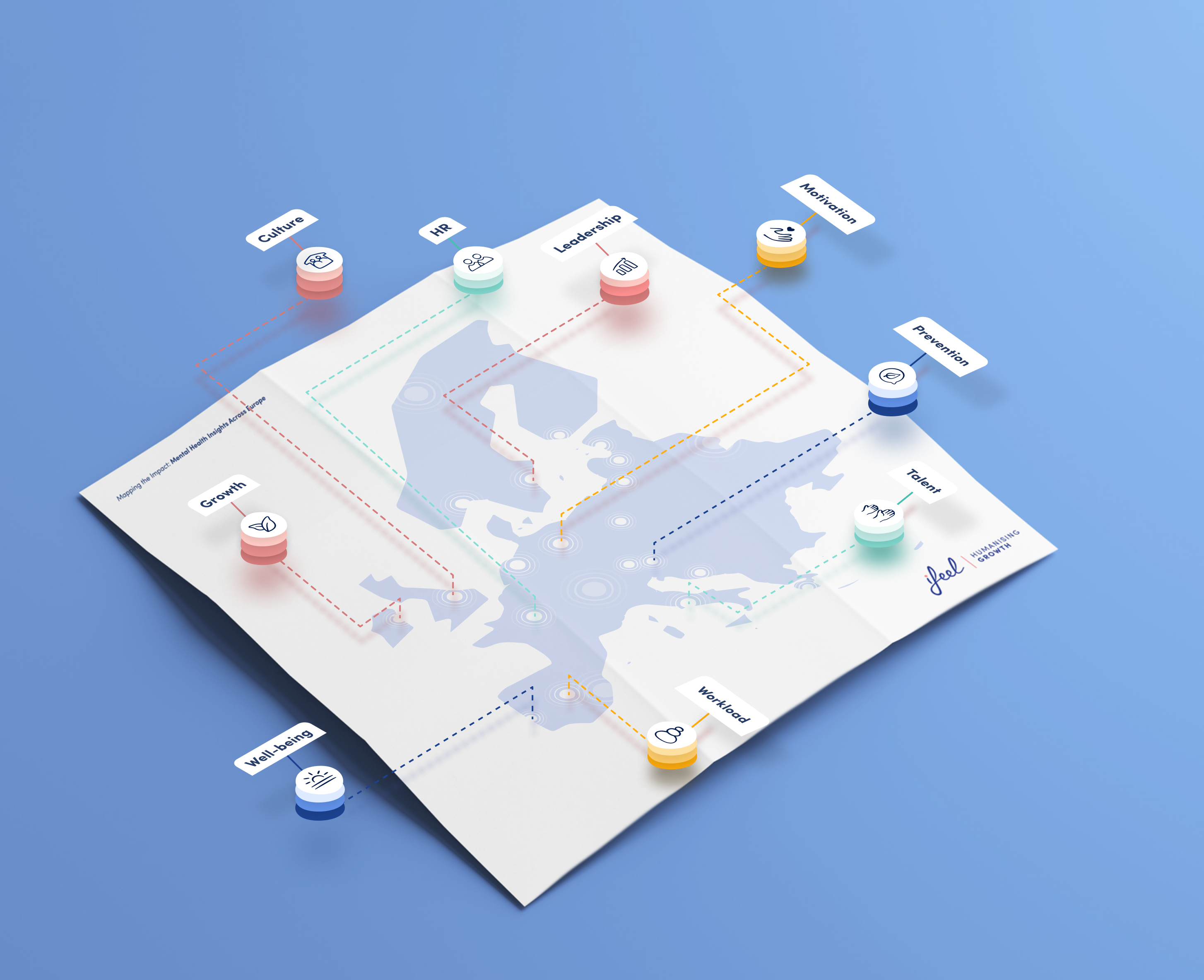
Mental health in the workplace has become a significant concern throughout Europe, with the UK experiencing particularly high demands. According to the recent ‘Mapping the Impact’ report by ifeel, a striking 40.7% of mental health demands in UK workplaces are associated with mental well-being. This figure is notably higher than the European average of 37.9%, highlighting the urgency for UK organisations to provide comprehensive support platforms.
The need for work-life balance support in the UK, at 22.2%, mirrors the European average, illustrating a broad recognition of the importance of balancing professional and personal responsibilities. This necessity is further accentuated by the evolving work environments impacted by remote and flexible working arrangements.
In terms of personal and professional development, the UK’s demand stands at 22%, slightly below the European average of 24%. This indicates that while career advancement remains important, it may not be as pressing a priority as it is in other European countries. Factors such as access to corporate incentive programmes and other socio-economic variables may influence this trend.
Demand for initiatives in Diversity, Equity, Inclusion, and Belonging (DEIB) also falls below the European average, recorded at 14% compared to 16%. This suggests proactive measures by UK organisations in addressing diversity and inclusion issues, although the drive for DEIB remains a significant consideration.
Noteworthy examples of organisations that have effectively championed mental health initiatives include SCOR and Thoughtworks. These companies have adopted Employee Assistance Programmes (EAPs) to foster healthier workplace environments, leading to benefits such as increased productivity, enhanced employee engagement, and improved job satisfaction. The success of these initiatives underscores the potential for such strategies to attract top talent and support organisational growth.
The increasing attention to workplace mental health demands in the UK underscores the necessity for effective organisational strategies to support employee well-being.

