
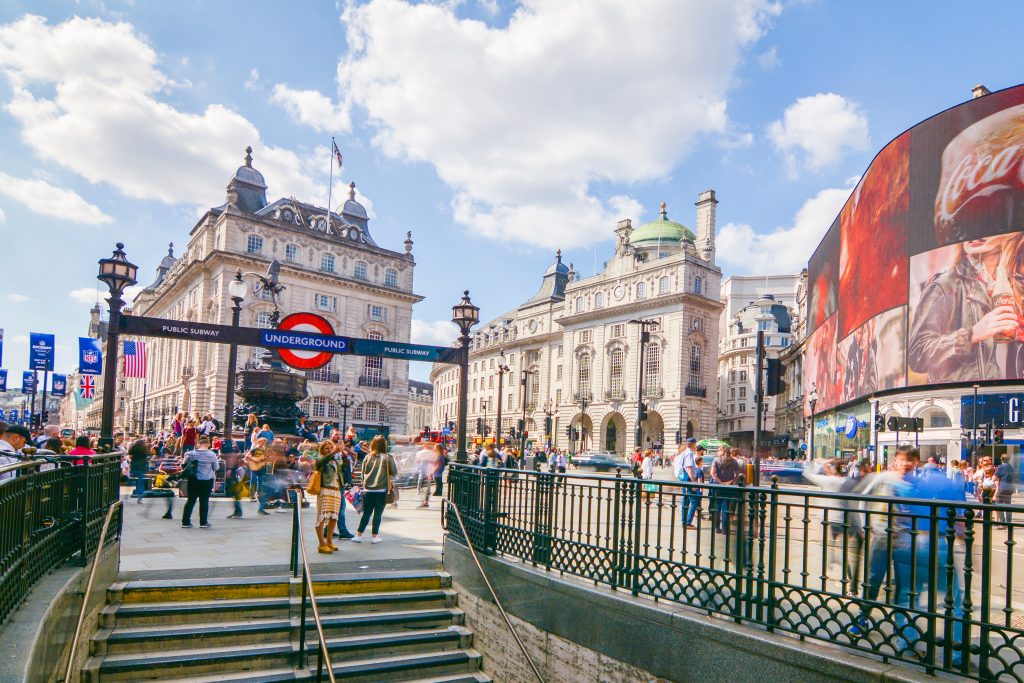

West End retailers face unprecedented challenges as new research highlights a £220 million loss in potential sales due to the absence of tax-free shopping for tourists. The decline marks a worrying trend for the retail heartland.
The cessation of VAT exemptions for tourists has notably detracted from London’s allure as a premier shopping destination, contributing to a broader economic impact felt across associated sectors. The mounting pressure on businesses presents a clarion call for strategic governmental action.
Impact of VAT-Free Shopping Removal
Recent analysis reveals a significant downturn in West End retail revenue, attributed primarily to the cessation of VAT-free shopping for tourists. Despite a 3% rise in international visitors to London within the first half of 2024, expenditure in the West End saw a stark decline, almost 12% less than the same timeframe in 2019. The removal of tax-free benefits has evidently deterred spending among tourists who now opt for European destinations offering lucrative tax refunds.
The Wider Economic Ramifications
The consequences of the removed VAT-free incentives extend beyond just retail. This policy decision has induced a broader ‘knock-on effect’ within London’s tourism ecosystem, significantly impacting restaurants, hotels, and cultural attractions across this vibrant city. As tourists shift their preferences towards Continental Europe, these sectors face increasingly challenging times due to diminished footfall and expenditures.
With a transformative surge in Europe’s tax-free refunds by 36% in early 2024, the competitive edge previously held by the UK in international tourism appears to be dwindling. Restoration of tax-free shopping is critical to rejuvenating the nation’s appeal, according to industry representatives.
The Call for Government Intervention
The New West End Company, representing 600 businesses, insists on urgent government action to reverse this trend. The upcoming Budget in late October presents an opportunity for the current administration to affirm its commitment to business efficacy.
Dee Corsi, CEO of the New West End Company, has underlined the necessity for Labour’s budget to address the enduring economic challenges. Corsi advocates for enhanced economic growth strategies, including reforming business rates and modifying police funding, alongside reinstating tax-free shopping to reignite the UK’s allure for global shoppers.
Political Implications and Economic Strategy
The Labour Party’s economic strategy must endeavour to fulfil its electoral promises by demonstrating support for the business sector. This involves tackling existing impediments, such as unwieldy business rates and a restrictive planning system, that deter innovation and growth. Restoring tax-free shopping could serve as a vital element in these efforts.
By implementing these reforms, the government could bolster economic growth and reinforce public confidence. Addressing these concerns is imperative to sustain London’s status as a premier international shopping destination.
The Role of Consumer Behaviour
In light of the competitive shifts, consumer behaviour trends have morphed substantially. London, with its historical allure as a retail haven, now observes tourists gravitating towards tax-saving opportunities abroad. Such shifts in consumer choices are reshaping market dynamics.
These changes are not just economic but cultural too, as the spirit of the West End’s bustling streets evolves. The absence of VAT-free shopping is steering global shoppers to reconsider their spending destinations.
A Comparative European Context
Europe’s thriving tax-free landscape stands in stark contrast to the UK’s current position. Refund increases in Europe illuminate the loss of the UK’s previous advantage. The comparison highlights the growing need for the UK to adapt swiftly.
Without a responsive policy, regaining lost ground in the international tourism economy remains a distant prospect. The contrast urges adoption of revitalising measures to mitigate further economic erosion.
Potential Outcomes of Policy Reinstatement
Economists predict that reinstating VAT-free shopping could invigorate the West End’s retail sector by attracting international consumers back to the UK. Reintroducing these incentives will likely restore the competitive dynamics essential for major urban tourist centres.
Reform measures could serve as a catalyst for invigorating economic activity, driving growth throughout associated UK industries reliant on robust tourism, thereby ensuring long-term financial stability.
Restoring tax-free shopping is pivotal to revitalising London’s retail ecosystem and reinstating the UK as a primary shopping hub for international visitors. Systematic changes and incentives are crucial to reversing the current downturn.
The upcoming government Budget could mark a transformative step for the industry, balancing economic recovery with long-term competitiveness.

