
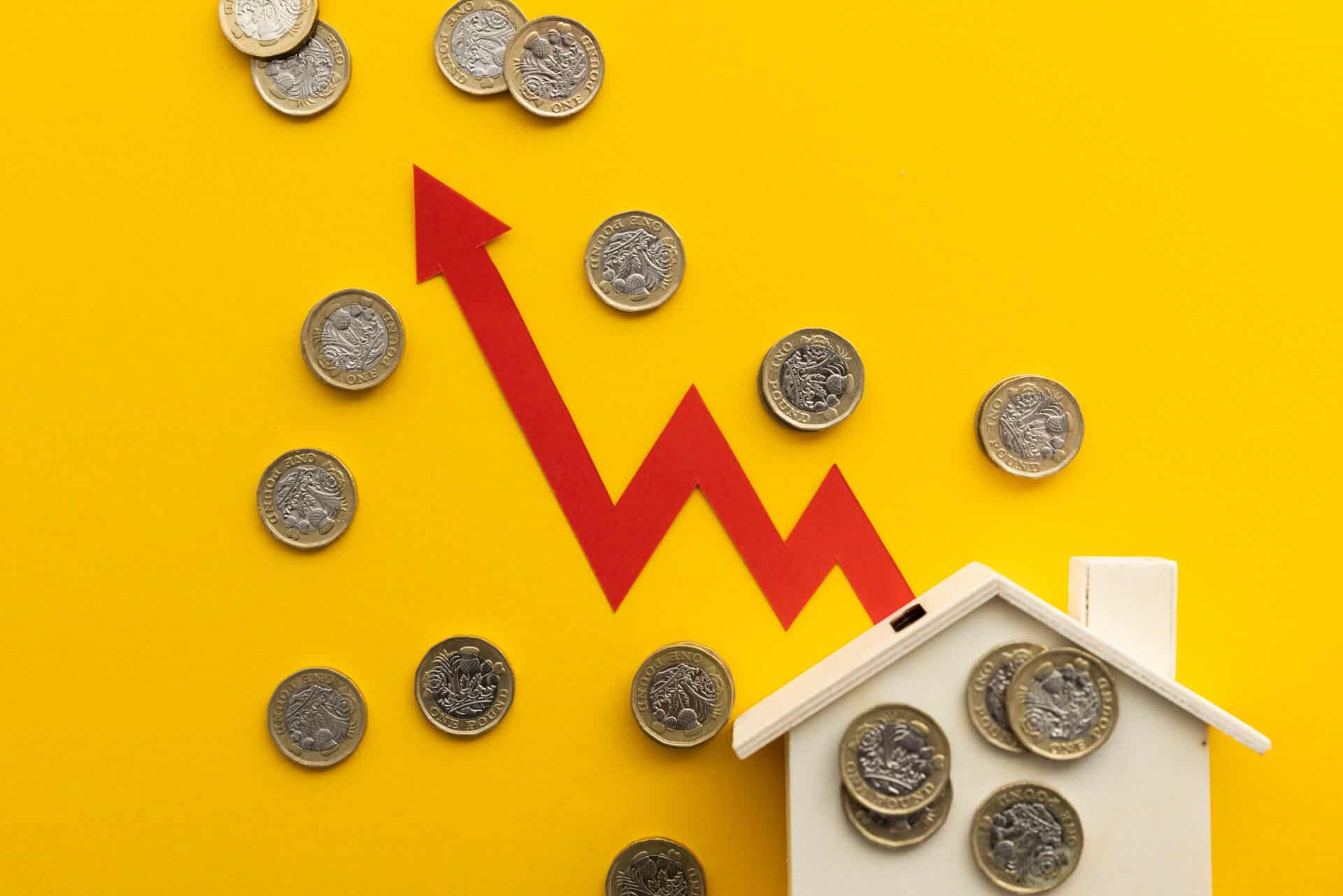

The recent Autumn Statement has sparked significant concern over rising swap rates, which may lead to increased borrowing costs for homebuyers.
- Octane Capital warns that the housing market may soon experience higher mortgage rates due to a 2% Stamp Duty Land Tax increase affecting second homeowners and landlords.
- The absence of extensions to current relief thresholds in the Autumn Budget leaves existing and first-time buyers vulnerable to potential cost hikes.
- Analysed swap rate trends reveal a rise in one-year rates to 4.551% and five-year rates to 4.287% post-budget.
- Market responses suggest bond investors are wary of increased borrowing, potentially triggering further economic implications.
The Autumn Statement presented by the government has raised significant alarm within the financial sector, primarily due to the potential implications of rising swap rates. One key concern is the anticipated uptick in mortgage rates, which could directly affect homebuyers across the nation. This comes in the wake of a 2% increase in Stamp Duty Land Tax (SDLT) specifically impacting second homeowners and landlords. Without changes to the relief thresholds, which are currently set to expire in March, both existing and first-time buyers are likely to face further financial pressures.
Octane Capital, a key player in the mortgage landscape, has highlighted these concerns, suggesting that the market should be prepared for possible rises in mortgage rates. Their analysis points out that swap rates, crucial in determining long-term interest rates, have seen a noticeable rise. Following the budget announcement, the one-year swap rate increased to 4.543% and then to 4.551% by November 4th, while the five-year rate rose from 4.277% to 4.287%. Though these rates eased slightly after the initial budget response, they remain elevated, suggesting the potential for continued volatility.
Jonathan Samuels, CEO of Octane Capital, expressed apprehension regarding the market’s reaction to the Autumn Statement. He commented that the budget was poorly received by bond markets, with gilt yields rising sharply due to unforeseen borrowing levels. Samuels articulated that the hope remained for this to be an overreaction rather than a precursor to further rate hikes resembling those seen post-Truss Mini Budget. Nevertheless, should borrowing costs rise alongside mortgage rates, landlords and second homeowners might find themselves grappling with increased investment expenses, which could adversely affect the private rental market.
Despite these fluctuations, historical trends suggest some eventual normalisation of swap rates, although immediate conditions may remain strained. With 99% of local authorities poised for an SDLT increase, potential homebuyers are warned of doubling tax bills, adding another layer of complexity to an already challenging situation. Such developments necessitate a cautious approach for investors and consumers alike as they navigate the evolving financial landscape.
In light of these changes, stakeholders in the housing market must brace for potential volatility and adjust their strategies accordingly.

