
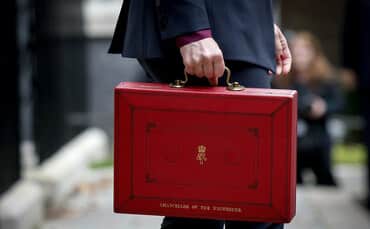

Chancellor Rachel Reeves delivers a blow to business owners with unexpected tax increases.
- Significant hikes were announced for capital gains tax, inheritance tax, and national insurance contributions.
- Business community feels the financial pressure as minimum wage rises further complicate the cost landscape.
- Wealth managers express concern over the financial strain placed on business assets and employment.
- The latest tax changes reflect governmental strategies impacting businesses on multiple fronts.
In the latest Autumn Budget, Chancellor Rachel Reeves announced substantial alterations to critical business-related taxes. The unexpected increases in capital gains tax (CGT), inheritance tax (IHT), and employers’ national insurance contributions (NIC) have left the business community grappling with new financial challenges. These measures, described as a ‘triple whammy’, were aimed at reshaping fiscal management within the business sector.
The hike in the CGT is one of the prominent elements, raising questions about its immediate effectiveness and potential impact on investment behaviours. Wealth managers have voiced concerns, highlighting the increased burden on asset management and the overall business climate.
Alongside the tax adjustments, the announced rise in the minimum wage to £12.21 an hour further complicates the financial landscape. The 6.7 percent increase signifies a considerable rise in employment costs, potentially elevating expenses by nearly £2,400 per annum, as illustrated by AJ Bell’s calculations.
Shalini Khemka CBE, from the entrepreneurial community E2E, pointed out the pronounced impact these changes have on the hopes business owners had for a lighter fiscal year. Her observations underscore the broader sentiments within the business community regarding these policy shifts.
Although intended to bolster government finances, these tax increases and the accompanying wage rise illustrate a strategic approach that some business leaders find challenging to reconcile with economic sustainability.
These tax changes highlight the government’s strategic focus on altering the business tax framework, indicating a challenging fiscal future for business owners.
