
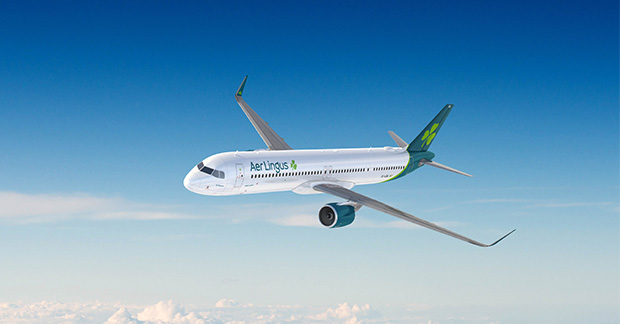

Aer Lingus faces major disruption due to an intensified pilots’ strike, threatening the travel plans of 15,000 passengers. The industrial action, rooted in a significant pay dispute, aligns with an eight-hour walkout, severely affecting short-haul services.
As a pivotal weekend approaches, passengers must brace for widespread cancellations across multiple routes. The strike underscores ongoing tensions and the crucial need for resolution to ensure the airline’s continued operational stability.
Disruption Caused by the Strike
An escalation in industrial action by Aer Lingus pilots, as part of an ongoing pay dispute, is set to disrupt services significantly, impacting passengers and schedules. The planned eight-hour strike on Saturday is expected to result in the cancellation of 120 flights, affecting approximately 15,000 passengers on short-haul routes. This represents a significant operational challenge for the airline, as it works to manage the effects of the strike and minimise inconvenience to customers.
Negotiations and Responses
The ongoing dispute centres around pay increases for pilots, with the union willing to engage in new talks. However, Aer Lingus has claimed that previous invitations to negotiations were declined by the Irish Airline Pilots’ Association. The airline is open to direct discussions to find a resolution, emphasising its willingness to explore further pay increases based on productivity and flexibility improvements. Despite these efforts, the deadlock persists, prompting the union to continue its industrial actions.
Impact on Flight Operations
The strike action follows a series of cancellations that have already affected nearly 20,000 passengers over five days. Aer Lingus is currently managing its operations at a cancellation rate at the lower end of the anticipated 10%-20%. Further cancellations are anticipated as the industrial action progresses, affecting travel plans at short notice. Dublin’s long-haul services have been re-timed to avoid disruption, showcasing the airline’s efforts to adapt amid the challenging circumstances. Regional flights and transatlantic services from Manchester remain unaffected, ensuring some essential routes continue to operate as scheduled.
Ryanair’s Strategic Response
In response to the Aer Lingus strike, Ryanair has taken strategic measures to accommodate displaced passengers. The airline has increased service frequency from Dublin, adding extra flights to popular destinations such as Stansted, Malaga, and Faro. This proactive step aims to provide alternative travel options during the strike period, capitalised on the increased demand due to Aer Lingus’s disruptions. Ryanair has confirmed that many of its flights have sold out as a result of the strike, illustrating the scale of demand shift caused by Aer Lingus’s challenges.
Collaborative Efforts in Times of Disruption
Ryanair and Aer Lingus are reportedly collaborating to mitigate the effects of the strike on passengers. Ryanair is working closely with Aer Lingus by accepting transfer passengers where space permits and offering potential wet lease options. This cooperation underscores the industry’s broader commitment to maintaining service continuity and supporting affected passengers. Such efforts reflect the aerial industry’s resilience in navigating operational crises.
Labour Court Interventions
The Labour Court has intervened, inviting both parties to attend talks aimed at resolving the impasse. While specific progress from these interventions remains unclear, the meetings represent a critical attempt to mediate and restore normalcy. The involvement of the Labour Court highlights the seriousness of the dispute and its potential implications on the airline’s operational capabilities. Both sides acknowledge the Court’s role in providing a platform for dialogue. Whether these discussions will lead to productive outcomes remains to be seen, but they mark a significant step in the conflict resolution process.
Future Outlook
The ongoing industrial action by Aer Lingus pilots poses continued challenges for the airline’s operational stability and passenger services. As the situation evolves, the importance of reaching a mutual agreement becomes increasingly evident. The airline must balance the demands of its workforce with the need to maintain service quality and schedule reliability. The resolution of this pay dispute is crucial for the airline to avoid long-term operational disruptions and preserve its reputation among passengers.
The escalating pilots’ strike at Aer Lingus presents a substantial challenge to the airline and its passengers. Striking a balance between pilot demands and operational needs is imperative to overcome current disruptions.
Resolving the ongoing pay dispute is essential for Aer Lingus to restore its service reliability and maintain passenger trust. As negotiations continue, the airline’s focus must remain on achieving a sustainable agreement.

