
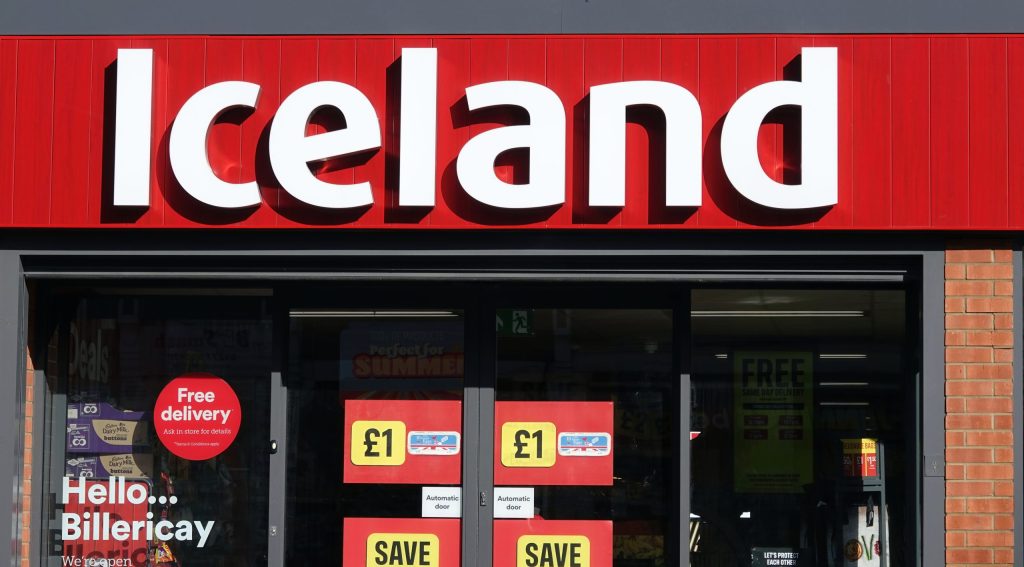

Iceland, the supermarket chain, expands its initiative aimed at reducing food waste through ‘mystery bags’ in partnership with Olio.
- The pilot programme initially began with four Iceland stores and one Food Warehouse location in September.
- The initiative involves ‘mystery bags’ valued at £10, sold for £2, containing products nearing their ‘use-by-date’.
- The concept aligns with calls from leading grocers for mandatory food waste reporting by the UK government.
- Additional Iceland locations are expected to join the programme by the end of October.
The expansion of Iceland’s ‘mystery bags’ initiative signifies a step forward in the retailer’s strategy to address food waste. As part of its collaboration with the food redistribution app Olio, Iceland has been offering customers the opportunity to purchase £10 worth of groceries for £2. These groceries are items nearing their use-by date, presented as ‘lucky dip’ bags, currently available in four Iceland stores and one Food Warehouse location.
The ‘mystery bags’ are packed by Iceland’s shopfloor staff and reserved via the Olio app, ensuring the transaction process is convenient for consumers. This initiative not only aids in reducing food waste but also makes groceries more affordable and accessible to a wider audience. By October’s end, the initiative will further expand, with five additional Iceland stores participating, demonstrating a scalable model for food waste reduction within supermarkets.
This effort coincides with a broader call to action from 30 of the UK’s major grocery brands, such as Tesco and Sainsbury’s, urging the government to implement compulsory food waste reporting. This governmental engagement is seen as a crucial step in tackling the significant volume of edible food discarded annually across the country. This alignment of Iceland’s initiative with broader industry efforts underscores a shared commitment to sustainability and responsible food management practices.
This expansion of Iceland’s initiative exemplifies a practical approach to tackling food waste while enhancing consumer access to affordable groceries.

