
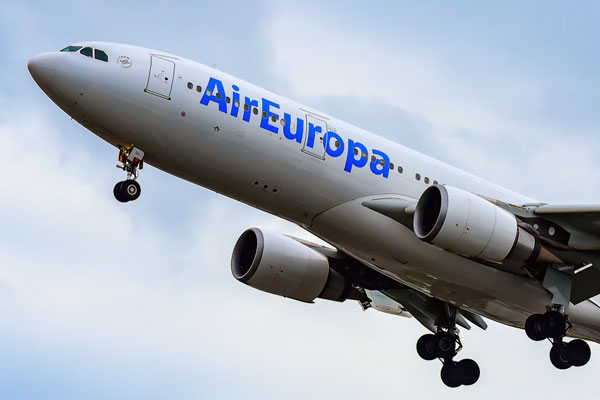

The acquisition attempt by International Airlines Group (IAG) to take over Air Europa has faced significant regulatory obstacles, ending in disappointment. Despite initial optimism, the complexities of the European regulatory landscape posed insurmountable challenges.
This case highlights the complexities and challenges involved in major airline mergers, where competition and market dominance are key issues under scrutiny. The current situation reflects a broader pattern of regulatory vigilance across Europe.
IAG’s ambition to acquire Air Europa was fraught with regulatory challenges from the beginning. Owning Iberia and Vueling, two of Spain’s largest airlines, effectively positioned IAG in a dominant market position. This raised serious concerns among competition authorities about the potential for market distortion, especially in Spain where Air Europa is the third-largest carrier.
Experts warned that the merger would not escape scrutiny due to significant market implications. Michael O’Leary, Ryanair CEO, vocally opposed the deal, asserting that it could negatively impact competition by consolidating IAG’s influence over Spanish and European routes.
Even as IAG tried to adapt its strategy, the regulatory landscape showed little flexibility. The idea that the pandemic would alter competitive dynamics in IAG’s favour proved overly optimistic.
Nevertheless, the core regulatory issues persisted. The European Commission maintained its objections, citing preliminary concerns about the acquisition’s impact on competition. As a result, IAG’s repeated attempts for a merger faced continued opposition.
Ultimately, it became clear that despite their emphasis on strategic importance, overcoming the regulatory hurdles was a formidable task that required more than just strategic rhetoric.
Chief Executive Luis Gallego expressed disappointment but acknowledged the reality of the market conditions. He noted the deep crisis following the pandemic and reiterated IAG’s commitment to maintaining disciplined capital allocation.
This failed acquisition attempt underscores the intricate balance between strategic business ambitions and regulatory compliance within the aviation industry. IAG’s experience serves as a case study in the challenges of navigating complex regulatory landscapes.
The halted acquisition of Air Europa by IAG reflects the challenging nature of large airline mergers, where strategic objectives must be aligned with regulatory expectations. This situation exemplifies the delicate interplay between business strategy and regulatory compliance, illustrating the necessity for adaptability and foresight in corporate decision-making.
While IAG’s ambitions to enhance its market position remain, this experience highlights the importance of thorough regulatory understanding and strategic flexibility in pursuing large-scale mergers. The evolving landscape of airline consolidation continues to demand careful navigation and robust planning.

