
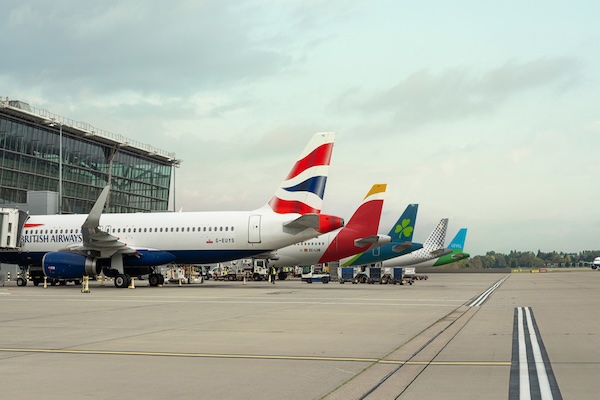

The International Airlines Group (IAG), the parent company of British Airways, has demonstrated a continuing trend of high travel demand. This surge underscores a robust recovery in leisure travel.
Despite prevailing challenges in the aviation sector, IAG’s strategic initiatives have strengthened its operational footing, ensuring an impressive financial performance.
Strong Financial Growth in Current Climate
The International Airlines Group (IAG) exhibited a notable advancement in financial health, specifying a substantial reduction in first-quarter net losses. Compared to the previous year, losses dropped from €87 million to €4 million, highlighting a remarkable turnaround. This improvement is attributed to enhanced operational efficiencies and increased demand, particularly in leisure travel, which remains robust. As a result, IAG’s operating profit rose to €68 million, showcasing its adept recovery strategies.
Increased Capacity and Passenger Revenue
IAG reported a significant increase in its total group revenue, which climbed to €6.4 billion from €5.8 billion year-on-year. This growth was supported by a 7% increase in capacity and a progressive rise in passenger revenue. With a focus on passenger revenue per available seat kilometre, figures exceeded those of the previous year by 4.4%, driven by strategic scheduling around peak seasons and an ongoing recovery in leisure travel.
British Airways, a crucial subsidiary of IAG, achieved an increase in first-quarter operating profits, showing a rise to €22 million from a previous €14 million. Meanwhile, Iberia demonstrated formidable growth, with profits elevating to €70 million, despite the challenges posed by seasonal variations in demand.
Challenges Faced by Subsidiaries
Despite the overall positive outlook, certain subsidiaries such as Aer Lingus and Vueling faced hurdles. Operating losses for Aer Lingus amounted to €82 million, while Vueling reported a €25 million loss.
These outcomes reflect the seasonal nature of their operations, which are heavily reliant on leisure travel during certain periods. The seasonal focus inevitably posed challenges, affecting their profitability in the first quarter.
Typically, IAG witnesses lower profitability in the first quarter, with these losses serving as evidence of the cyclical business model.
Strategic Acquisitions and Future Plans
IAG continues to pursue strategic acquisitions to bolster its market presence. A key focus lies on the acquisition of Air Europa, a prominent Latin American specialist carrier based in Spain. The group has maintained a proactive approach, presenting a package of remedies to the European Commission to facilitate this purchase.
The completion of this process is anticipated later this year, reflecting IAG’s commitment to expanding its reach and influence across crucial markets. Such acquisitions are expected to enhance its operational capabilities and strengthen its competitive edge in the global aviation sector.
Insights from Leadership and Industry Analysts
Luis Gallego, the chief executive officer of IAG, attributed the group’s positive performance to strategic transformation initiatives and the steady increase in travel demand, notably during the Easter holidays. The emphasis on improving punctuality and customer experience has been central to their success.
Industry analysts, such as Julie Palmer from Begbies Traynor, have recognised IAG’s strong results as indicative of a solid recovery from the pandemic. The consistent demand for travel, alongside improved operational metrics, suggests the group is well on its way to reclaiming its position as a leader in the aviation industry.
However, potential challenges such as geopolitical tensions and fluctuating oil prices could impact sentiment and operational costs. Notwithstanding, confidence remains high amongst IAG and its subsidiaries.
Market Optimism and Future Outlook
The outlook for IAG remains optimistic, driven by increasing travel demand across both leisure and business sectors. The company’s robust performance over the winter period further supports this positive sentiment.
With plans to augment operational capacity and capitalise on core market strengths, IAG is poised for substantial growth in the upcoming seasons. As geopolitical and economic landscapes continue to evolve, the group’s strategy remains focused on overcoming potential challenges while leveraging opportunities for expansion and profitability.
Potential Risks and Considerations
While the current trajectory for IAG shows promise, certain factors warrant careful consideration. Geopolitical tensions and potential fluctuations in oil prices present significant risks.
These dynamics could influence consumer costs and operational expenditures, thereby impacting overall profitability. IAG has acknowledged these risks, emphasising the importance of maintaining a resilient operational framework to navigate through possible adversities.
In conclusion, IAG’s proactive strategies have positioned the group for continued success amidst a volatile market. The sustained demand, coupled with strategic expansions, highlights the group’s resilience.
As IAG navigates future challenges, its commitment to operational excellence and market growth remains steadfast.

