
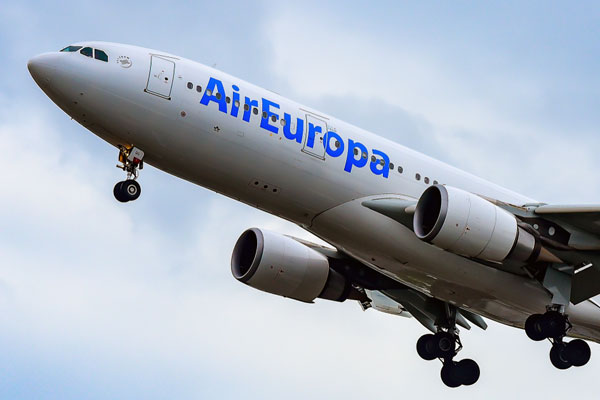

International Airlines Group (IAG) is facing intensified scrutiny from the European Union over its proposed takeover of Air Europa. The move, valued at €400 million, has attracted regulatory attention due to concerns of potential market domination.
The European Commission’s in-depth investigation seeks to address the possible reduction in competition across several significant flight routes, necessitating responses from IAG to alleviate antitrust issues. The outcome of these discussions holds substantial implications for the future of aviation in the region.
EU Commission’s Preliminary Concerns
The European Commission has expressed preliminary concerns regarding the potential reduction in competition that could arise from the acquisition of Air Europa by IAG. Its investigation, initiated last month, is examining the transaction’s impact on domestic, short-haul, and long-haul routes in and out of Spain. IAG, owning other significant carriers like Iberia and Vueling, may face a statement of objections if it does not propose adequate remedies.
This warning signifies an escalation in the scrutiny faced by IAG, with the EU seemingly prepared to formally detail its objections soon. The Commission fears that such a merger could make it challenging for competitors to maintain their presence in the market, potentially leading to increased prices for consumers.
Impact on Competition and Consumers
Regulators are particularly worried that the takeover will constrict competition on Spanish domestic and international routes. This concern is rooted in the extensive network that both IAG and Air Europa have established within Spain and across European and Latin American routes. The reduction of competitors in these markets might lead to monopolistic practices, thereby negatively affecting consumers.
The potential consequences of this acquisition could ripple across the aviation industry, impacting not just fares but also the availability of routes. Such an outcome might force smaller carriers out of the market or deter new entrants, ultimately disadvantaging consumers through reduced choices and potentially higher ticket prices.
Attempts to Address Regulatory Concerns
IAG has previously engaged with the Commission to resolve these antitrust issues. However, its efforts were insufficient during earlier negotiations, as reflected in the termination of a previous agreement with Air Europa. The current attempt marks a renewed effort by IAG to salvage the deal amidst regulatory hurdles.
Despite the challenges, IAG has shown a commitment to finding suitable remedies. The company has been in discussions with two Spanish airlines, considering them as “potential remedy takers”. This strategy indicates IAG’s willingness to make concessions to gain the Commission’s approval and ensure the acquisition progresses.
Potential Outcomes and Future Implications
If IAG fails to adequately address the EU’s concerns, it might face a veto on its bid for Air Europa. Such a scenario would not only hinder IAG’s plans to expand its market presence but also potentially affect its competitive edge in the European airline industry. Moreover, it could set a precedent for increased scrutiny on future airline mergers.
On the other hand, successful navigation through these regulatory challenges could bolster IAG’s position within the industry, reinforcing its competitive stance in Europe and beyond. However, it remains crucial for the company to balance its strategic ambitions with the regulatory requirements to avoid potential pitfalls.
Reaction from Industry and Stakeholders
Industry reaction has been mixed. Some stakeholders see the merger as a way to strengthen the European aviation market, potentially enhancing connectivity and operational efficiency. However, others are wary of the consolidation reducing competition and consumer choice.
Air Europa’s acquisition by IAG could be transformational for the company, possibly aligning with global trends in airline consolidation. Yet, this must be balanced against the backdrop of regulatory frameworks designed to protect consumer interests and prevent monopolistic practices.
Strategic Moves by IAG
IAG’s Chief Executive, Luis Gallego, reaffirmed the company’s commitment to the acquisition, emphasising the strategic benefits it would bring. Gallego highlighted the potential for enhanced competitiveness of Madrid as a European air travel hub, which aligns with IAG’s broader business goals.
Gallego’s statement underscores IAG’s focus on swiftly closing the transaction to deliver its anticipated consumer and economic benefits. Nevertheless, it underscores the importance of regulatory compliance and the necessity to address all antitrust concerns to achieve a successful acquisition.
“We remain committed to closing this transaction as quickly as possible in 2024 to start delivering the deal’s benefits for consumers and the wider Spanish economy,” Gallego stated, indicating a firm resolve despite the ongoing regulatory discussions.
The IAG and Air Europa merger faces significant regulatory hurdles that test the balance between market expansion and fair competition. The outcome of this deal will likely have far-reaching effects on the European aviation industry, shaping future merger strategies and regulatory responses.

