
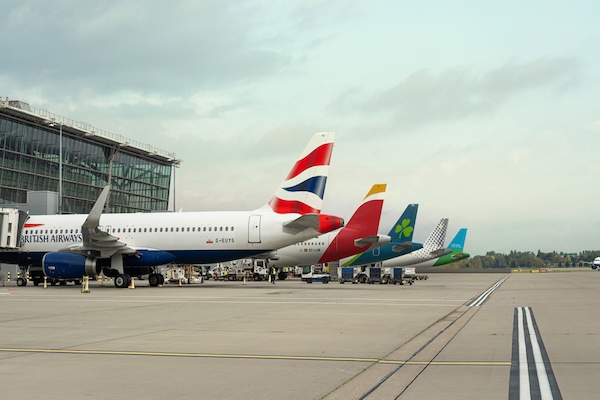

The International Airlines Group (IAG) is navigating a complex operational landscape, striving to enhance efficiency and performance across its airlines.
With substantial investments in technology and strategic initiatives, IAG aims to address key challenges and reinforce its market position amidst high travel demand.
British Airways has undertaken significant measures to enhance its operational efficiency, particularly at its Heathrow hub. The airline has introduced a revamped operating model that emphasises improved team structures and management oversight. Investment in technology and software tools aims to optimise decision-making, reflecting BA’s commitment to reducing disruption and enhancing customer satisfaction.
The International Airlines Group (IAG), parent company of British Airways, reported a minor decline in its first-half net profits—dropping from €921 million to €905 million year-on-year. Despite this, total revenue increased to €14.7 billion, driven by robust travel demand. However, the challenging operational environment, highlighted by staffing issues in air traffic control and supply chain disruptions, continues to impact IAG’s overall performance.
IAG continues to make substantial investments to secure growth and sustainability. The introduction of the Club Suite on 69% of British Airways’ long-haul fleet and the ongoing refurbishment of lounges globally demonstrates their focus on enhancing passenger experience. Additionally, IAG’s strategic partnership with Repsol for the purchase of sustainable aviation fuel aims to bolster its sustainability efforts and mitigate fuel cost variability.
IAG has identified robust demand in core markets such as the North Atlantic, Latin America, and intra-Europe, maintaining a capacity growth target of 7% for the year. However, slight softness in pricing for long-haul routes from Dublin and the Asian markets poses a challenge. Despite this, the group remains committed to capitalising on the North Atlantic market, which represents a significant portion of its revenue and market share.
The potential acquisition of Air Europa has faced obstacles, with IAG encountering possible objections. The competitive landscape remains intense, requiring the airline to provide exceptional value to passengers to surmount competition from established European rivals. Despite these challenges, IAG’s diverse portfolio of trusted brands positions it well to capture growth opportunities.
Luis Gallego, Chief Executive of IAG, expressed positive sentiments regarding the company’s strategic direction and performance. Gallego highlighted the strong demand in key markets and the group’s sustained profitability, emphasising renewed confidence, evidenced by the reinstatement of dividend payments. His outlook reflects IAG’s ambition to continue delivering on its strategic objectives amidst a challenging environment.
Elizabeth Williams, aviation partner at Gowling WLG, remarked on the post-pandemic surge in travel demand, benefiting IAG’s margins. She noted the impact of inflation and fuel costs on the airline’s operations, alongside their proactive measures to foster sustainability. Williams underscored the importance of offering value for money to compete effectively in a rapidly evolving market.
Despite prevailing challenges, IAG’s strategic initiatives and investments in technology and sustainability underscore its commitment to overcoming operational hurdles and enhancing passenger experience. Continued efforts towards innovation and growth across key markets point towards a resilient future for the airline group.

