
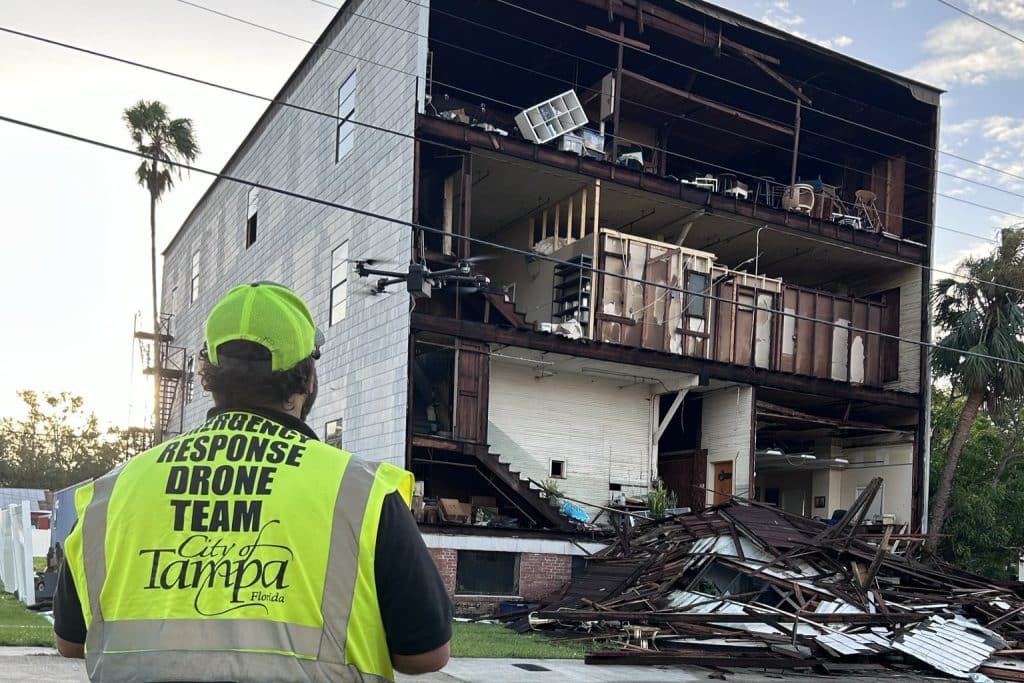

Hurricane Milton’s recent impact on Florida highlights the urgent need for improved disaster resilience strategies. Despite regular updates, the unpredictability of hurricanes continues to hinder effective planning.
- The storm left 2.8 million without power, exposing the vulnerability of above-ground utility networks.
- Infrastructure risks, particularly scour, pose significant threats to bridges and buildings.
- Florida’s low-lying regions are densely populated, increasing susceptibility to extreme weather events.
- Economic and ownership challenges impede effective disaster management and response.
Hurricane Milton made landfall in Florida on 10 October, leaving 2.8 million residents without power and highlighting the pressing need for enhanced resilience strategies against natural disasters. Regular updates from NOAA demonstrate the inherent unpredictability of hurricanes, complicating long-range planning and emergency responses. As Arcadis water management and resilience director Ian George observed, the circulatory nature of hurricane winds makes landfall predictions challenging, as exemplified by the unexpected changes in weather patterns around Tampa Bay.
Florida’s vulnerability is further exacerbated by its geographical features. The state’s extensive coastline and low-lying areas, including the Everglades, are densely populated, making them particularly susceptible to hurricane impacts. This geographical reality presents considerable difficulties for the accurate deployment of emergency services, especially during severe storm conditions.
Concerns over infrastructure integrity have been raised, particularly regarding the risk of scour. Videos from affected areas showed bubbles in floodwaters, suggesting potential sinkhole risks. However, George noted that scour, the erosion around bridge foundations, is more likely a threat. The removal of soil by fast-moving water can undermine foundational structures, leading to unsupported pipework, utilities, and sewage systems.
Ian George also pointed out the prevalence of above-ground utility lines in Florida, which increases the risk of power outages during hurricanes. He recommended burying these lines deeply to prevent storm surge damage, noting that such a practice is less common in Florida compared to other regions. “In the UK, this would equate to entire cities being plunged into darkness,” he remarked, emphasising the scale of the outage.
Economic pressures and private land ownership present additional challenges to improving resilience. George addressed the complexities of investing in flood defences, highlighting the delicate balance between economic viability and protective measures. The reluctance to erect sea walls due to aesthetic concerns is particularly acute in high-value coastal real estate areas.
There is an apparent lack of systemic disaster risk management in place. The response of authorities has been criticised, with many questioning the effectiveness of the ‘four Rs’ of resilience: robustness, redundancy, rapidity, and resourcefulness. Ian George mentioned the lack of robustness in many coastal areas, although he praised Tampa Bay General Hospital for its investment in AquaFence technology as a forward-thinking protective measure. Nevertheless, he stressed the need for integrated approaches to resilience planning in coastal communities.
The aftermath of Hurricane Milton underscores the critical need for a comprehensive and unified approach to enhancing Florida’s resilience against future storms.

