
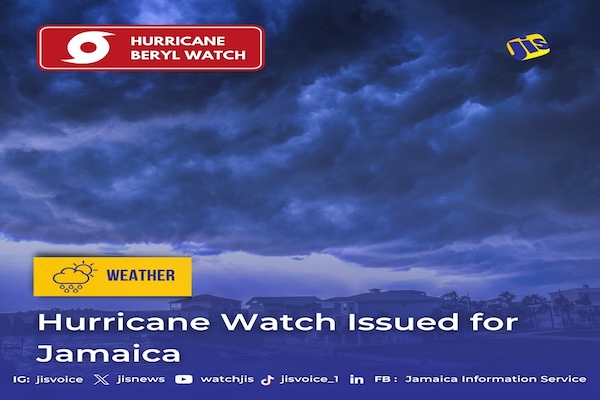

The eastern Caribbean braces itself for a fierce battle against the escalating threat of Hurricane Beryl.
With winds escalating to formidable speeds and heavy rains causing significant disturbances, governments and communities are uniting. They are adopting precautionary measures to minimise damage and ensure public safety amidst the threatening conditions.
Hurricane Beryl’s Path and Impact
Hurricane Beryl has emerged as a formidable force, advancing across the eastern Caribbean with relentless intensity. The hurricane, now classified as a Category 5 storm, poses a significant threat with maximum sustained winds reaching up to 160 mph. Potentially catastrophic in nature, Beryl has already unleashed severe weather conditions across affected regions, including flash floods and ultimately affecting numerous islands.
Regional Preparations and Warnings
The swift progression of Hurricane Beryl prompted immediate responses from Caribbean nations. Regional governments have issued a series of hurricane watches and warnings to alert their citizens. Jamaica, among others, has been at the forefront of preparations as the storm edges closer. Unexpected shifts in weather patterns have urged authorities to enforce precautionary measures to ensure public safety.
The United States National Hurricane Center has bolstered these warnings, confirming the likelihood of life-threatening conditions. Travel alerts have been updated extensively, emphasising the danger posed to residents and travellers alike. Authorities have recommended securing properties and, if necessary, relocating to safer areas.
Flight Disruptions and Travel Advisories
In light of the impending danger, the travel sector has faced significant disruptions. Dozens of flights were cancelled over the weekend, and airlines are continually reassessing their schedules to avoid potential risks associated with flying during such severe conditions.
Virgin Atlantic, in particular, has been proactive in communicating with passengers. They have provided options for rebooking or altering travel plans, striving to prioritise customer safety amidst the chaos caused by Hurricane Beryl.
Impact on Local Communities
Inhabitants of the Caribbean islands find themselves bracing for impact as Beryl inches closer. The Jamaican government has instituted a hurricane watch as a precaution, highlighting the potential repercussions on local communities. Reports from the southern Grenadines indicate that the hurricane has already made its landfall, resulting in infrastructural damage and service disruptions.
Caribbean residents have been encouraged to seek refuge in designated shelters to mitigate risk. The emphasis on securing essential services and protecting lives remains paramount as the region faces adverse weather conditions.
Official Reactions and Statements
Caribbean officials are actively monitoring the storm’s trajectory and responding accordingly. Terence Walters, Grenada’s national disaster coordinator, reported widespread devastation on smaller islands, like Carriacou. His observations underline the enormity of Beryl’s impact on infrastructure and daily life.
A spokesperson for Virgin Atlantic mentioned their commitment to maintaining safety standards, reassuring their clientele of ongoing efforts to minimise disruptions. Their approach remains customer-centric, focusing on adaptability in the face of uncertain weather developments.
The Future Trajectory of Beryl
Beryl’s future path remains a subject of intense scrutiny among weather agencies globally. Forecast models predict that the hurricane will continue its rapid west-northwest trajectory, affecting Jamaica in the immediate future. The Caribbean Sea, being historically prone to hurricanes, remains vigilant as updates unfold.
Meteorological agencies have reiterated the importance of staying informed through official channels. The guidance offers essential insights into expected weather patterns, ensuring that timely and accurate information is accessible to all affected parties.
Concluding Thoughts on Beryl’s Impact
Hurricane Beryl exemplifies the profound challenges posed by natural disasters in the Caribbean. With its formidable strength and fast-moving trajectory, the hurricane continues to test regional resilience and emergency response systems. The collective effort of governments, local communities, and international partners remains crucial in mitigating the adverse effects of such powerful storms.
The Caribbean’s proactive measures underline the importance of readiness in the face of natural disasters.
While the immediate future holds challenges, the resilience and cooperation demonstrated offer hope for recovery and safety through this daunting period.

