
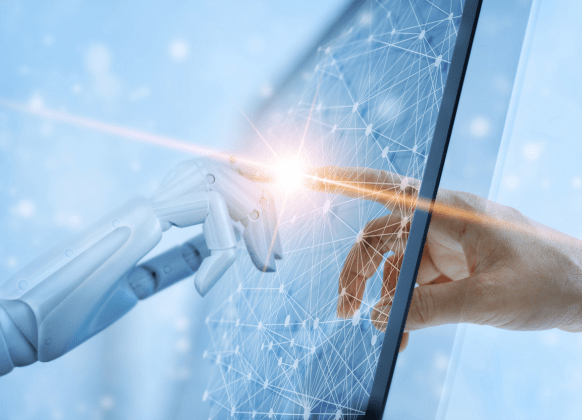

A recent report underscores the enduring importance of human skills in the face of technological advancement.
- The top 10 skills for 2023 show a preference for human capabilities over technical skills.
- AI continues to shape the future of work, demanding a balance of technology and human skills.
- Experts highlight the adaptability and longevity of human skills compared to technical ones.
- There’s an increasing demand for social and emotional skills, which are essential in the AI era.
A report by a leading learning platform has revealed that, despite the rapid integration of artificial intelligence in workplaces, human skills remain highly valued. Out of the top 10 skills identified for 2023, only one is technically oriented, while the others focus on human strengths such as leadership, communication, and problem-solving.
The advent of AI technologies, including advanced language models, is transforming the job landscape by creating new roles and altering existing ones. This transformation underscores the critical need for a workforce adept at collaborating with emerging technologies, not just adopting them.
Studies indicate that the demand for social and emotional skills is set to increase significantly by 2030. A McKinsey report emphasises that while machines might excel at specific tasks, they fall short in areas requiring nuanced social interactions and emotional intelligence. Thus, skills involving complex human capabilities will become increasingly vital.
Janice Burns, Chief Transformation Officer of Degreed, stresses the importance of this human-centric approach: “The majority of the skills in the top 10 list are human skills like problem-solving and communication, which are crucial for thriving in an AI-driven age. Workers who succeed will be those who master the art of integrating technology with human collaboration.”
Moreover, human skills are noted for their adaptability and enduring nature, which gives them an edge over transient technological trends. As technological tools evolve, the ability to communicate, lead, and manage change remains pivotal. This adaptability is crucial, considering the ever-evolving digital landscape.
The ongoing AI boom necessitates agile learning and development (L&D) teams that can swiftly adjust their training programmes to cater to the changing needs of the workforce. As Janice further advocates, being nimble in L&D is essential to support employees’ career growth and adaptability to new demands.
In conclusion, while AI is reshaping work environments, it is the enduring and adaptable nature of human skills that continue to hold paramount importance.

