
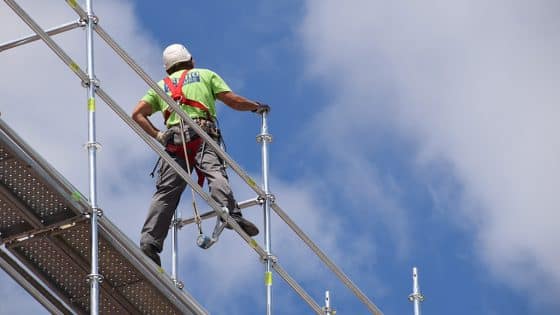

The frequency of investigations by the Health and Safety Executive (HSE) into construction-related falls from height has decreased notably in recent years.
- Prospect, the union for HSE inspectors, highlights the abolition of the construction division as a significant factor.
- Data released under the Freedom of Information Act shows a consistent decline in these investigations since 2016.
- Despite fewer inspections, the number of fatal incidents has remained constant, underscoring persistent safety risks.
- Experts in the field express concern that budget cuts are allowing companies to evade accountability.
In the construction industry, the frequency of HSE investigations into falls from height has declined starkly, as revealed by recent data. According to figures obtained through the Freedom of Information Act, the number of investigations dwindled to just 107 in 2023, a significant decrease from 177 in 2016 and 211 in 2017. This reduction is alarming against the backdrop of a stable number of fatal incidents, suggesting that the dangers associated with falls from height remain unabated.
Prospect, the union representing HSE inspectors, has attributed this decline to several organisational changes, including the abolition of the construction division and a sharp reduction in the number of inspectors. The union’s senior deputy general secretary, Sue Ferns, highlighted that the number of main grade inspectors has plummeted from 962 in 2003 to just 617 in 2023. Ferns warned that this shortage hinders the capacity for thorough investigations, thereby compromising workplace safety and justice for victims.
In 2023 alone, 659 investigations of all types were reportedly shelved due to ‘lack of resources,’ a stark contrast to the mere four investigations halted in 2015. The ramifications of this are grave, as ineffective investigations may allow those responsible for accidents to escape accountability, ultimately leading to less safe working environments.
Industry experts, like Peter Bennett, who chairs the No Falls Foundation and Access Industry Forum, emphasise the human cost of these incidents. Bennett pointed out that falls, even if non-fatal, can have devastating consequences, preventing people from returning to work. He expressed his concern that companies might exploit the overburdened HSE to neglect safety regulations, thereby increasing risks to workers.
In response to these challenges, calls for reform have emerged. The No Falls Foundation and Access Industry Forum advocate for changes to the Reporting of Injuries, Diseases and Dangerous Occurrences Regulations (RIDDOR) process, aiming to collect more detailed data on incidents. Such reform could illuminate the root causes of these accidents, enabling the implementation of informed and preventative measures, potentially saving lives.
The HSE, however, refutes claims of deprioritising construction safety, asserting that its inspection strategy remains data-informed and hazard-focused. An HSE spokesperson underlined that their operations span a broad spectrum, using regulatory tools beyond just inspections to enhance health and safety standards.
The ongoing decline in HSE investigations into falls from height highlights a pressing need for resource allocation to ensure workplace safety.

