

The upcoming leadership change in the Transpennine Route Upgrade (TRU) signals a significant shift in UK rail infrastructure projects.
- James Richardson, renowned for his role in HS2 tunnelling, will spearhead the £11bn programme to enhance and electrify the Manchester to York line.
- Currently managing the Skanska Costain Strabag consortium, Richardson brings a wealth of experience to the TRU project starting 2025.
- Network Rail’s recent awarding of £3bn in contracts underscores the project’s robust momentum.
- The TRU aims to improve connectivity across northern cities, promising substantial regional benefits.
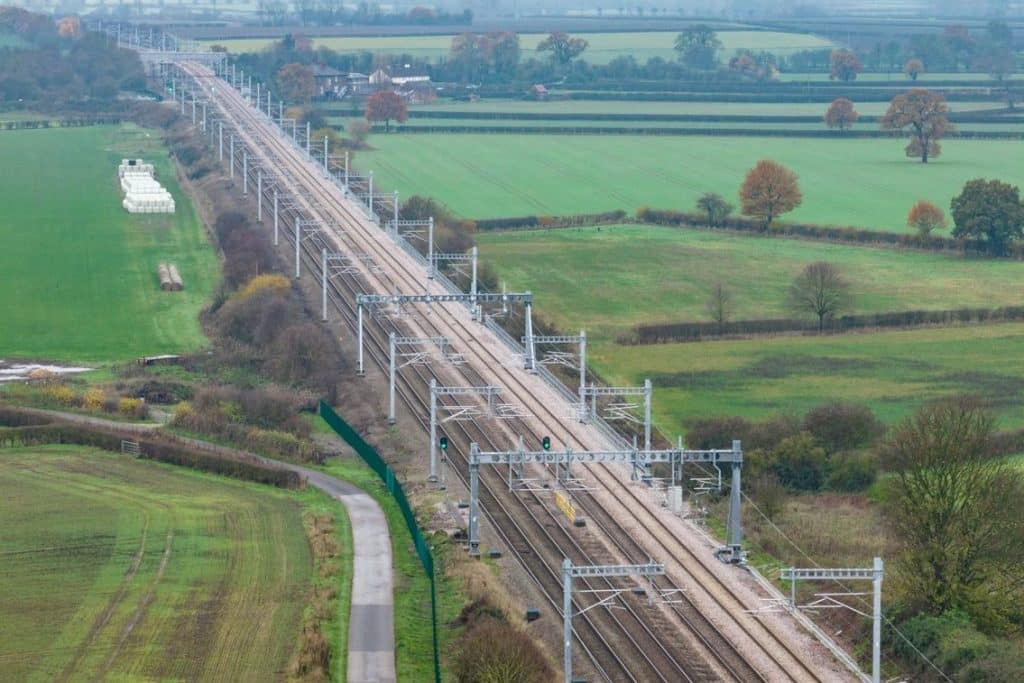
In early 2025, James Richardson, known for his pivotal role within the High Speed 2 (HS2) London tunnels as managing director of the Skanska Costain Strabag (SCS) consortium, will assume leadership of the Transpennine Route Upgrade (TRU). This £11bn initiative focuses on upgrading and electrifying the 122km track between Manchester and York, highlighting a broader commitment to enhancing national rail infrastructure.
Richardson’s extensive track record at Skanska, covering over two decades and including major projects like High Speed 1, Thameslink, and Crossrail, is expected to be invaluable. His move to TRU is viewed as a strategic enhancement of the project, which already employs 5,000 people across 70 sites, following Network Rail’s recent launch of electric services between Manchester Victoria and Stalybridge. Further indication of the project’s advancement comes with the award of £3bn in new contracts.
Richardson expressed excitement about leading such an ambitious project of national importance, underscoring its potential to improve urban connectivity and enhance the UK’s rail capabilities. The outgoing managing director, Neil Holm, will be followed temporarily by acting director Gordon Kells until Richardson’s full-time induction.
Moreover, Rob McIntosh, the managing director of Network Rail’s north-west and central division, acknowledged the scale of the TRU project, identifying it as one of Europe’s most extensive live railway programmes. His endorsement of Richardson underscores the confidence in successfully managing the unique challenges presented by the TRU.
The upcoming phase of the TRU West project, targeting enhancements between Huddersfield and Leeds, will encompass substantial infrastructure developments, including station upgrades and major earthworks, led by an alliance of Bam, Arup, Amey, and Network Rail. Similarly, eastern route works between Leeds and York, managed by a consortium including Network Rail and major contractors, emphasise the comprehensive nature of these upgrades.
The government’s review of TRU’s expenditure ahead of the budget reflects its significant fiscal and economic implications. Meanwhile, Skanska’s aspirations to expand eco-friendly Portland Cement alternatives, supported by a recent Innovate UK grant, illustrates the ongoing innovations within the construction segment of rail projects.
Richardson’s leadership is poised to steer the TRU towards substantial advancements in UK rail infrastructure.

