

The potential for HS2 to end at Euston station is “increasingly positive” according to London Mayor Sadiq Khan.
- Sadiq Khan’s optimism was shared during an event aimed at boosting transport investment.
- The UK’s transport infrastructure may receive a significant boost from government support and investment.
- Continued political instability poses challenges to long-term transport projects.
- Khan remains confident in gradual progress despite existing governmental and economic hurdles.
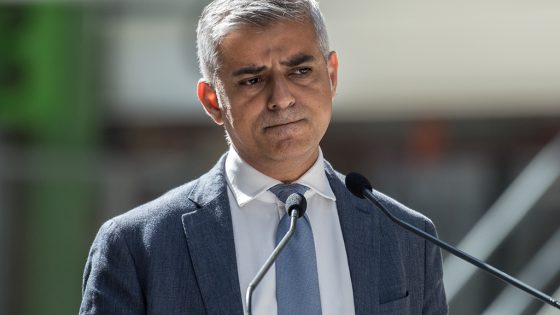
London Mayor Sadiq Khan has expressed increasing optimism regarding the potential completion of the High-Speed 2 (HS2) railway at Euston station. He made these comments during the London Transport Museum’s annual dinner, where he outlined his vision for attracting investment in transport infrastructure.
Khan’s optimism comes amid a backdrop of uncertainty following former Prime Minister Rishi Sunak’s announcement last October that public funding for the Euston terminus would be withdrawn. This pronouncement led to widespread doubts about the project’s viability. The Public Accounts Committee previously expressed significant scepticism regarding the ability of the government to secure private investment for the station.
Recent developments, however, point towards a more promising outlook. It is speculated that Chancellor Rachel Reeves may approve funding for the Euston terminus in the forthcoming Budget, according to reports from industry insiders. This potential green light would mark a notable shift in governmental stance and could revive the hopes for the terminus’s completion.
In addition to his comments on HS2, Khan detailed ambitious transport infrastructure projects under consideration during his tenure. These include proposed extensions to the Docklands Light Railway (DLR) to Thamesmead, the development of the West London Orbital, and the Bakerloo line extension—projects anticipated to facilitate the construction of tens of thousands of homes.
Furthermore, Khan pledged to safeguard the proposed route for Crossrail Two, a significant north-south rail route envisaged to complement London’s existing infrastructure. He underlined the reciprocal benefits of London’s construction projects to the UK’s wider economic landscape, encapsulated by his statement, “When London builds, Britain benefits. It’s a basic formula, but it works.”
Despite this optimism, Khan noted the challenges posed by ongoing political instability and economic uncertainties. He acknowledged that these factors could impede swift progress in transport infrastructure investment and development, yet remained hopeful for gradual improvements over time.
While challenges remain, the prospect of HS2 reaching Euston appears more promising under current governmental considerations.

