
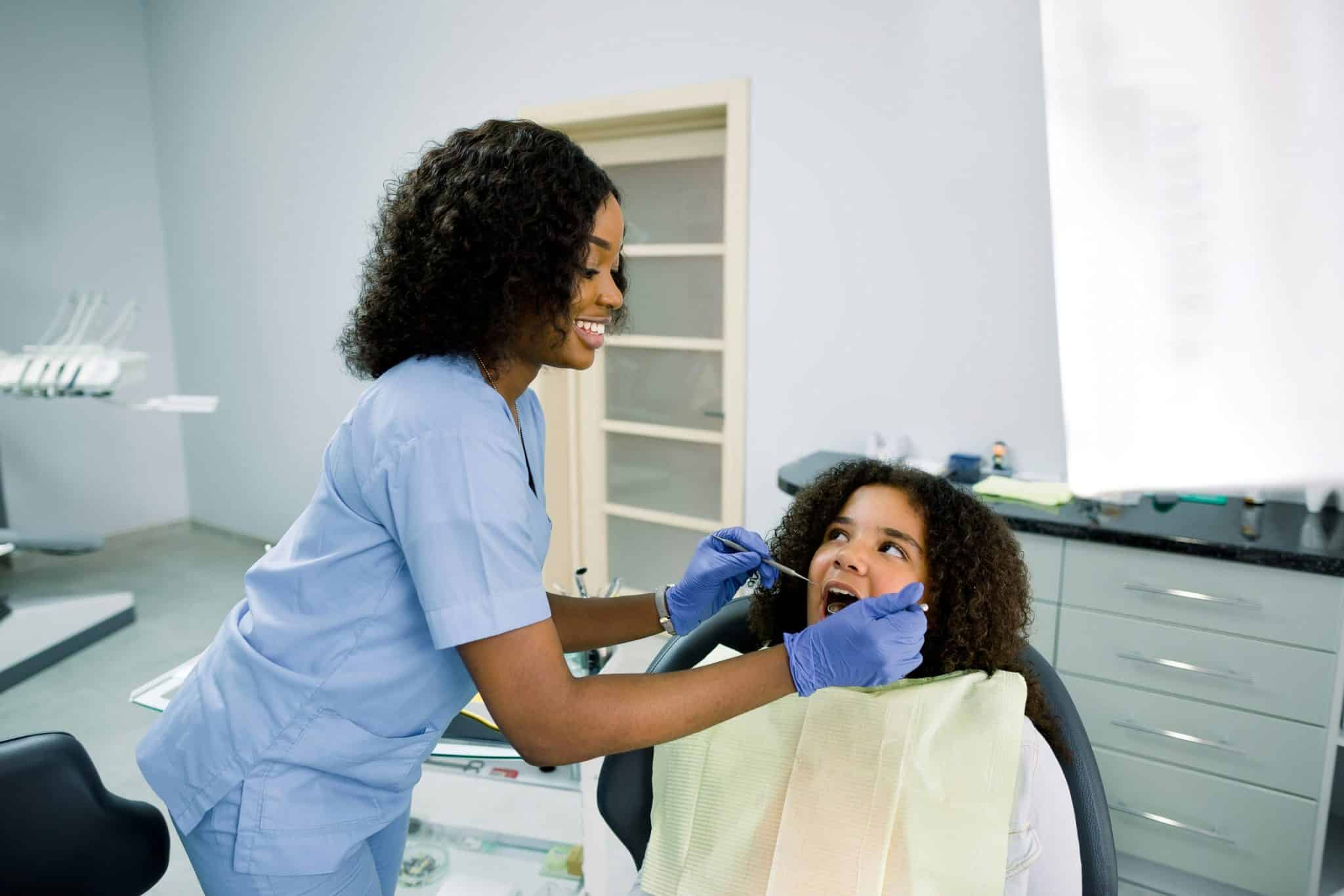

Dental emergencies can strike at any time, causing pain, discomfort, and anxiety.
While it’s crucial to seek help from professionals like Arc Dental Surgery as soon as possible, knowing how to manage the situation before you reach the dentist can make a significant difference. This guide will provide you with essential information on handling various dental emergencies, ensuring you’re prepared for unexpected oral health issues.
Understanding Dental Emergencies
A dental emergency is any situation that requires immediate attention to alleviate severe pain, stop bleeding, or prevent the loss of a tooth. Common dental emergencies include:
● Severe toothache
● Knocked-out tooth
● Cracked or chipped tooth
● Lost filling or crown
● Soft tissue injuries
● Jaw pain or swelling
Recognising these situations as emergencies is the first step in proper management.
Immediate Steps for Any Dental Emergency
Regardless of the specific emergency, there are some general steps you should take:
- Stay calm and assess the situation
- Rinse your mouth with warm water
- Apply a cold compress to the outside of the cheek if there’s swelling
- Take over-the-counter pain relievers if necessary
- Contact an emergency dentist as soon as possible
Handling Specific Dental Emergencies
Severe Toothache
A severe toothache can be debilitating and may indicate a serious underlying issue. Here’s how to manage it:
- Rinse your mouth thoroughly with warm water
- Use dental floss to remove any food particles stuck between teeth
- Apply a cold compress to the outside of the cheek
- Take over-the-counter pain relievers, but never place them directly on the gum
Avoid using heat on the affected area, as this can exacerbate the pain and potentially worsen the underlying condition.
Knocked-Out Tooth
If a tooth has been knocked out, time is of the essence. Follow these steps:
- Retrieve the tooth, holding it by the crown (not the root)
- Rinse it gently with water if it’s dirty, but don’t scrub or remove any attached tissue
- Try to reinsert the tooth into its socket if possible
- If reinsertion isn’t possible, place the tooth in a container of milk or a tooth preservation product
Remember, the sooner you can get to a dentist, the better the chances of saving the tooth.
Cracked or Chipped Tooth
A cracked or chipped tooth can be painful and may lead to further damage if not treated promptly. Here’s what to do:
- Rinse your mouth with warm water
- Apply a cold compress to the outside of the cheek to reduce swelling
- Cover the affected area with temporary dental cement (available at most pharmacies)
- Take over-the-counter pain relievers if needed
Avoid biting down on the damaged tooth and stick to soft foods until you can see a dentist.
Lost Filling or Crown
If you’ve lost a filling or crown, it’s important to protect the exposed area until you can get professional treatment:
- Clean the area gently with warm water
- For a lost filling, use temporary filling material from a pharmacy to cover the cavity
- For a lost crown, try to slip it back over the tooth using dental cement, denture adhesive, or toothpaste
- Avoid chewing on the affected side of your mouth
Remember, these are temporary solutions, and you should see a dentist as soon as possible.
Soft Tissue Injuries
Injuries to the soft tissues of the mouth, such as the tongue, cheeks, gums, and lips, can be painful and may bleed profusely. Here’s how to manage them:
- Rinse your mouth with a mild salt-water solution
- Apply pressure to the bleeding site with a clean cloth or gauze
- Hold a cold compress to the outside of the affected area
- If bleeding doesn’t stop after 15 minutes, seek immediate medical attention
Avoid using mouthwash or hydrogen peroxide, as these can irritate the injured tissue.
Jaw Pain or Swelling
Jaw pain or swelling can be caused by various factors, including trauma, infection, or temporomandibular joint (TMJ) disorders. To manage this:
- Apply a cold compress to reduce swelling
- Take over-the-counter pain relievers
- Eat soft foods and avoid opening your mouth wide
- If you suspect a broken jaw, seek immediate medical attention
Preventing Dental Emergencies
While not all dental emergencies can be prevented, there are steps you can take to reduce your risk:
- Maintain good oral hygiene with regular brushing and flossing
- Visit your dentist regularly for check-ups and cleanings
- Wear a mouthguard during sports activities
- Avoid chewing on hard objects like ice or popcorn kernels
- Use scissors, not your teeth, to cut things
When to Seek Immediate Professional Help
While these tips can help you manage dental emergencies temporarily, it’s crucial to know when to seek immediate professional help. Contact an emergency dentist or visit A&E if you experience:
● Uncontrolled bleeding
● Severe pain that doesn’t subside with over-the-counter pain relievers
● Signs of infection, such as fever, swelling, or pus
● Difficulty breathing or swallowing
Preparing for a Dental Emergency
Being prepared can make a significant difference in how well you handle a dental emergency. Consider creating a dental first aid kit that includes:
● The phone number of your emergency dentist
● Gauze pads
● Small container with a lid
● Temporary filling material
● Over-the-counter pain relievers
● Salt (for making a salt water rinse)
Having these items on hand can help you respond quickly and effectively to a dental emergency.
The Importance of Regular Dental Check-ups
Regular dental check-ups play a crucial role in preventing dental emergencies. During these visits, your dentist can:
- Identify potential issues before they become emergencies
- Provide professional cleaning to maintain optimal oral health
- Offer advice on proper oral hygiene techniques
- Assess the need for treatments like fillings or crowns
- Monitor the overall health of your teeth and gums
By attending regular check-ups, you can significantly reduce the risk of unexpected dental emergencies.
Choosing an Emergency Dentist
It’s essential to have an emergency dentist’s contact information readily available. When selecting an emergency dentist, consider:
- Location and accessibility
- Hours of operation, including after-hours care
- Range of emergency services offered
- Payment options and insurance acceptance
- Patient reviews and recommendations
Having a trusted emergency dentist can provide peace of mind and ensure you receive prompt care when needed.
Conclusion
Dental emergencies can be stressful, but knowing how to handle them can make a significant difference in the outcome. By following these guidelines, you can manage the situation effectively until you can receive professional care. Remember, these tips are not substitutes for professional dental treatment, and it’s always best to consult with a dentist as soon as possible in any emergency situation.
Maintaining good oral hygiene, attending regular check-ups, and being prepared for emergencies are key to protecting your dental health. By taking these proactive steps, you can minimise the risk of dental emergencies and ensure that you’re well-equipped to handle them if they do occur.
If you’re in need of an Emergency Dentist Blackpool, our clinic provides urgent dental care when you need it most.

