

School budget planning has become increasingly complex over the past few years. Transport demands keep expanding, funding stays tight, and you’re somehow expected to support more pupil activities than ever before: field trips, sports fixtures, enrichment programmes, and partnerships with other schools. The list grows.
Transport used to be something you would sort out as needed. Now it’s eating into your core budget in ways that directly affect long-term financial stability. When you’re increasing off-site learning or covering wider catchment areas, transport planning can no longer be an afterthought. You need better forecasting and tighter alignment between what you actually need operationally and what funding you have.
The Growing Transport Demands in UK Schools
Transport’s taking up a bigger chunk of non-staff spending than it used to. You’re drawing from wider admissions areas. Extracurricular provision has expanded beyond what anyone budgeted for three years ago. Inclusion requirements have grown.
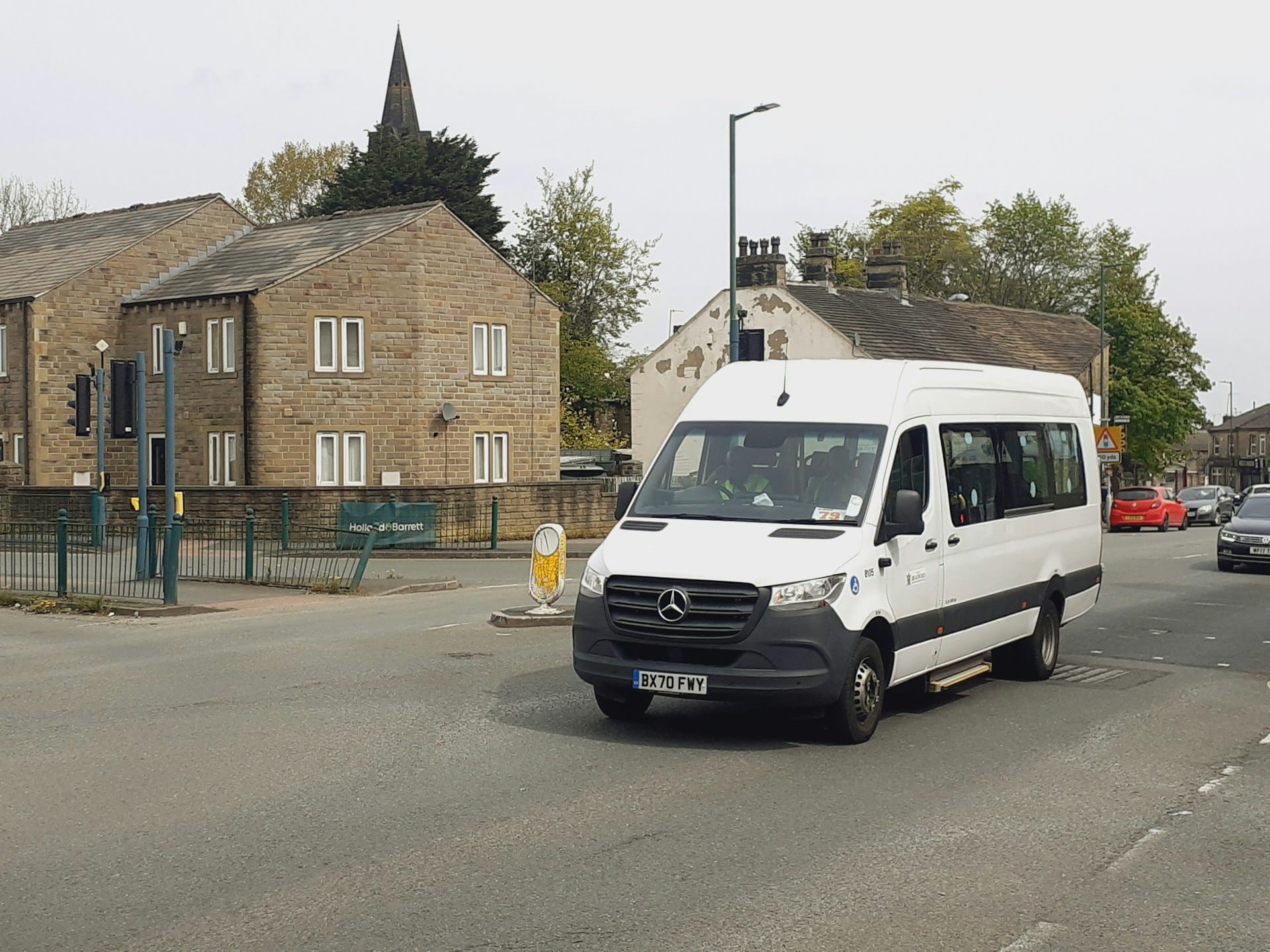
Supporting pupils with additional mobility needs adds another layer of complexity, including safety standards and accessibility requirements, while keeping costs manageable. minibus leasing for schools allows you to scale up without assuming all the ownership risks. Depreciation, surprise repairs, and obsolescence are problems that shift elsewhere.
Fuel prices haven’t helped. Diesel costs fluctuate enough that forecasting becomes a guessing game if you’re running owned vehicles. You plan based on today’s prices, six months later those numbers look optimistic. Maintenance costs have climbed, too. Servicing, compliance checks, and the inevitable unplanned repairs that always seem to happen at the worst possible time.
Budget Restructuring as Transport Requirements Expand
When transport needs grow, your budget distribution needs reassessing—driver costs, insurance, safeguarding supervision, contingency funds. Everything needs adjusting.
Schools that handle this well protect teaching resources first, then shift money from more flexible areas. Capital projects get pushed back. Technology upgrades will wait till next year. Nobody enjoys making these calls, but transport can’t just stop running.
Looking ahead three to five years makes a real difference. Model your transport demand properly, and you avoid those sudden budget shocks that create chaos. This aligns with the school’s funding operational guidance for local authorities.
Understanding Fixed and Variable Transport Costs
There are fixed costs, and there are variable costs. The difference actually matters when you’re trying to plan anything.
Fixed costs don’t change much. Vehicle payments or lease agreements, insurance premiums that remain roughly the same year to year, and scheduled servicing are all predictable expenses. Variable costs fluctuate depending on the amount of usage of the vehicles. Fuel bills vary with mileage. Driver hours depend on what’s scheduled. Then there are those unplanned repairs that always seem to pop up. When dealing with capital funding frameworks, knowing which costs you can influence versus which ones you must absorb makes a significant difference.
How you finance vehicles changes the cost pattern completely. Buy outright, and you’re spending a massive amount upfront. Year one hurts. Then it eases off for a while until the vehicle ages and maintenance costs start creeping up, then begin to climb properly. Leasing flattens that out. You’re paying roughly the same amount each month, which at least means you can plan without nasty surprises when funding gets redistributed mid-year.
Usage levels change everything, though. If you’re only running occasional trips, a few times a term, flexible arrangements make sense. Why commit to big fixed costs when the vehicle sits idle most days? But constant use throughout the year, daily routes, regular fixtures? That’s an entirely different calculation. Match your funding model to reality, not to what sounds good in principle.
Improving Transport Efficiency Without Increasing Spend
You can reduce transport costs without compromising safety, given the current financial constraints. Consolidating routes reduces mileage and fuel use noticeably. Instead of having half-empty vehicles make separate trips, coordinate schedules more effectively. This aligns with public transport funding priorities focused on efficient resource utilisation. Savings add up quickly over a term.
Working with neighbouring schools or local authorities helps control costs. Share transportation, split expenses more fairly, and eliminate duplicate services. Particularly useful in rural areas where single schools can’t justify their own vehicles. Yes, coordination requires effort, but the financial benefits usually justify it.
Technology’s actually useful here. Route planning systems show you real optimisations rather than just following what you’ve always done. Vehicle monitoring gives you actual data on fuel use and utilisation. Maintenance schedules based on real usage patterns help you avoid those expensive, unexpected repairs that can disrupt your carefully planned budget.
Calculating the Full Cost of School Transport
The total cost extends far beyond the headline numbers. You have fuel, servicing, insurance, driver training, administrative time, and vehicle downtime. These all add up in ways that aren’t immediately apparent when comparing options.
Hidden costs creep in through staff absence cover, qualified drivers aren’t easy to find at short notice, safeguarding requirements, and general admin burden. Underestimate these, and pressure builds gradually until your budget flexibility is gone.
Aligning Transport Planning With Educational Priorities
Effective transport budgeting enables your school to support learning without compromising financial stability. That’s what you’re trying to balance constantly.
Forecast beyond just this year. Separate controllable costs from uncontrollable ones. Keep your vehicle strategy flexible enough to adapt to changing circumstances. Do this correctly, and you can respond to evolving demands whilst protecting core provision. Transport planning that actually aligns with your financial strategy means you’re controlling expenditure rather than constantly reacting to it.
The role of transportation in school operations continues to grow. No signs are changing. Financial clarity becomes essential, not optional. Plan proactively, model different scenarios, and build in proper contingency. Schools that do this stay positioned to deliver safe, reliable pupil transport whilst keeping budgets stable. The educational landscape shifts constantly, often unexpectedly, and your transport planning needs to be robust enough to handle that without lurching from crisis to crisis.

